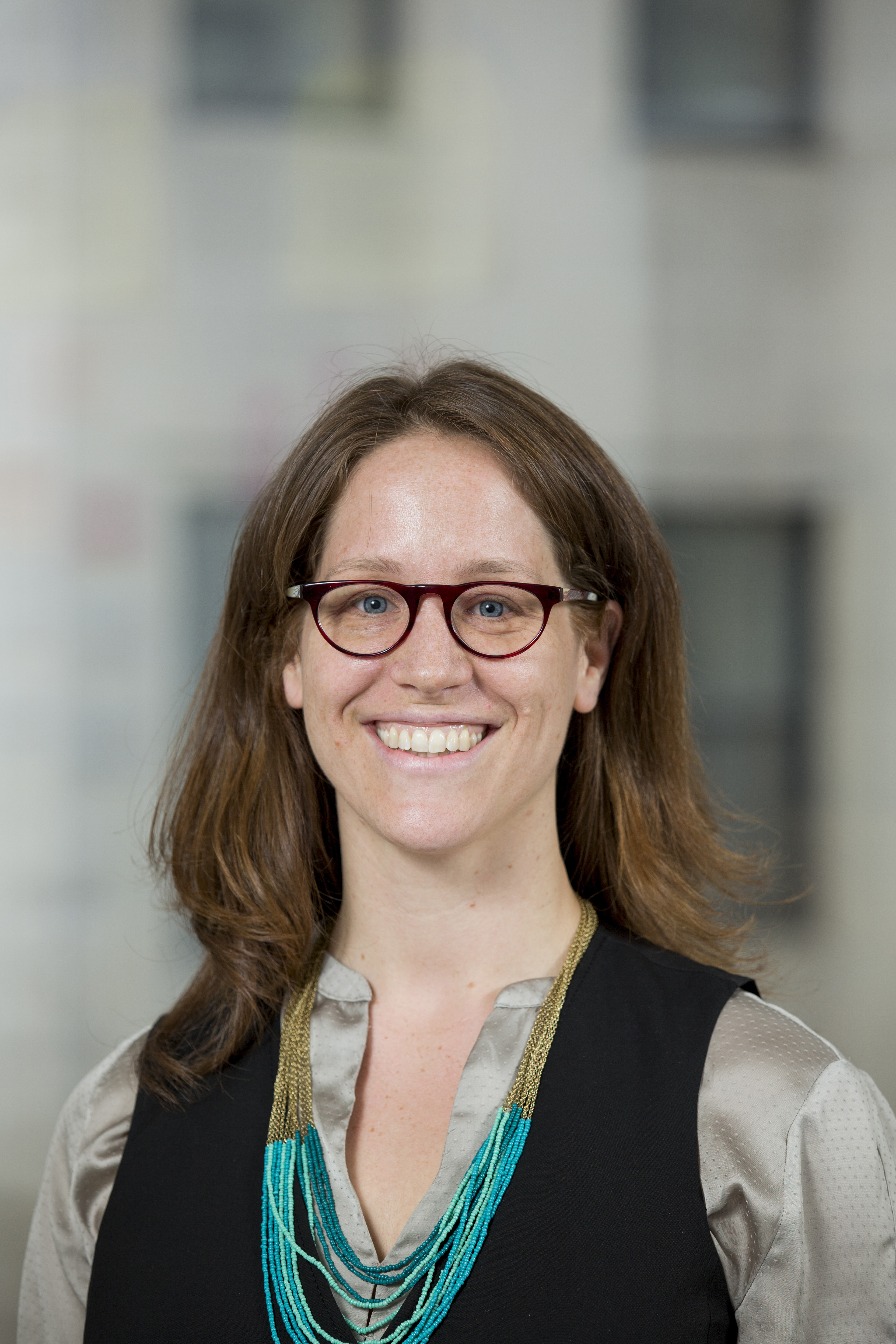
Faces of Food Systems Planning: Wendy Peters Moschetti

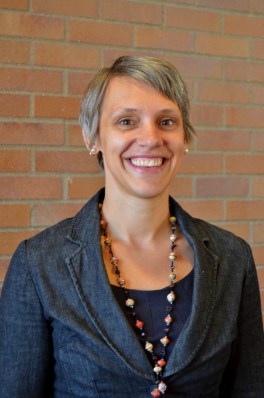
Wendy Moschetti.jpgWendy Peters Moschetti is the Director of Food Systems for LiveWell Colorado, where she leads the development and implementation of LiveWell Colorado’s strategies related to food systems, food access and food promotion. Prior to working for LiveWell Colorado, Wendy had her own consulting firm, WPM Consulting, and collaborated with many organizations—including LiveWell Colorado, LiveWell communities across the state, Colorado State University, Rocky Mountain Farmers Union, Hunger Free Colorado, and the Colorado Department of Public Health and Environment—to work on a variety of projects aimed at leveraging our food systems to improve equitable access to healthy foods.

This interview was conducted by Laine Cidlowski on October 14, 2015 via telephone and edited by Kimberley Hodgson.

What is your first and last name? Wendy Peters Moschetti

What is your current position? Director of Food Systems, LiveWell Colorado, since July 2005 and former food policy consultant for over six years

What do you enjoy about your work? I really love the community partners I get to work with. They are working on food access issues all over the state. I also love that we are increasingly gettin to work on influencing state and federal policies. I love that we’re looking to lead state legislation, and we’re advocating child nutrition authorization. We’re trying to have more of a voice in state and federal policy.

Similarly, what do you find challenging about your work? One is very internal. I feel like we have a potentially great team. We have marketing, communication, policy, and community partnership staff in our organization, but there is little time for learning. I’m constantly really busy. It is challenging when there is not enough time to connect with the staff from the various teams within your own organization and learn from each other. Another challenge is having more ideas than funding to work on these ideas, which is probably everybody’s challenge.

What areas of the food system do you focus on in your work? Healthy food access. One of the five goals of our organizations is that Coloradans have access to affordable nutritious food and beverages. My work focuses on achieving this goal. We have a general sort of health equity lens overlying all that we do. My work focuses on improving access to the best quality, healthiest, food for the most underserved communities where food access really doesn’t exist. To accomplish this goal, we focus on different parts of the food system. That might mean working on community grown urban agriculture projects, or working with conventional food retailers. We try to take systems view but we’re definitely not agriculture focused, very definitely more public health focused. We shouldn’t be segregated but it’s hard to do it all.

In the work that you perform, where does addressing food systems issues fit in? How has this changed over time? We are getting a lot better at knowing how to use data, like what data do you really want and need to use that will tell the food system story and why the food system is important; and how do you use data to support actions. I think that at least in Colorado, we’re better now at defining what we do with diverse partners. I think when the terms food systems, local food systems, food policy councils and community food assessments where first used in the state, we were not very good at articulating our niche. Because there were a lot more conventional agriculture partners that felt threatened or didn’t value what we were doing or thought we were all about local local local or sustainable or organic or all these trigger words. I think we’ve just gotten better at articulating why we’re doing what we’re doing and I think we’re better at articulating why access to healthy food is an issue. I think we’re way better of using the data to show that there are real inequities in access to healthy food and healthy eating and in a lot of different ways: nutritional inequities, cultural inequities, economic inequities.

Do you consider yourself a food systems planner? Why or why not? You know, I don’t, because I have worked so much with public health and policy folks. Although I do have a degree in planning, I consider myself to be more of a food policy advocate. When I was a consultant, I always described myself as a food policy consultant.

What is the biggest food systems planning-related hurdle your community or organization faced in recent years and how was it dealt with? We are not alone on this one. The biggest food system hurdle is really figuring out distribution of fruits and vegetables. I could add actual production of fruits and vegetables, but I think farmers are pretty smart and adaptive; although we have some issues around getting farmers affordable land. But, in any corner of the state we still have significant challenges about consistent distribution of fresh healthy food products. The biggest challenge in the food system, in our perspective, of moving fresh, healthy foods where they don’t is exist is whether the location needing the product is rural and has one very small retailer, or very urban, like Denver, with many corner stores that all face the challenge of having a very consistent supply of fresh, quality products. The small rural food retailer and the urban corner stores are not on the bigger trucking routs. We really struggle with finding smaller, more nimble distribution models that are sustainable.

How has your perception of food systems planning changed since you first entered the planning field? A lot. I went to grad school in 2001, so a long time ago. And food systems planning didn’t really exist. Now the field is recognized as a professional field. In my grad school days at Berkeley, I was the only planner taking classes in public health. For many people it seemed very weird. Public health professors thought I was this cool planner, but didn’t get the connection. Fast-forward a couple of years and Berkeley now as a dual degree in planning and public health. So academically, students can now get recognition for focusing on food systems planning. Professionally, APA started offering food systems sessions at conferences, which didn’t exist early in my career; and APA developed a food systems planning interest group (APA-FIG). Now there is academic, education, training and professional recognition for a field that didn’t exist before. I think that is a huge! So now, justifying the use of city staff time to devote to this topic isn’t the stretch it used to be. And now, they also have more resources to be able to do it well. I think this is great.

Who has had the most influence on you as a planner? As a food systems planner? When I was an undergraduate student the Community Food Security Coalition was just starting. It doesn’t exist anymore, but their founder and executive direction, Andy Fisher, had just finished his master’s degree in city planning with Robert Gottleib in Los Angles. At the time, I was 20, finishing my bachelors degree in social work, and heard about Andy’s background and the organization. It was exciting to see people as front-runners that were doing planning, and really looking systemically at how to create communities that support healthy living and support everyone in achieving a healthy life.

What do you wish you would have known before going to planning school? I wish I had been more assertive about what I wanted to do. I went to planning school because I wanted to. I was a social worker for a couple of years and really loved it, but I really wanted to work on healthy food systems. That was the original motivator for me. I wanted to work on healthy community work, but then when I got to Berkeley there was just no infrastructure for it. There was no faculty working on this.

A lesson I’m still learning is really being able to articulate the importance of working through many different approaches. Whether you grow food, you’re a farmer, you’re growing food. Whether your life passion is to grow food, to grow fruits and vegetables to feed a healthy population; or whether your life mission is to just make sure policy is conducive to healthy food systems; and so on. I think that understanding all of those pieces and articulating why you do what you do and really honor the role that others play, is something we’re not always good at.


Faces of Food Systems Planning is a series of interviews with practicing planners from across North America who are engaging in food systems planning and policy work. This series is part of APA-FIG’s efforts to highlight food systems planning as an important planning topic. Click here for more information.

Faces of Food Systems Planning: Martin Bailkey

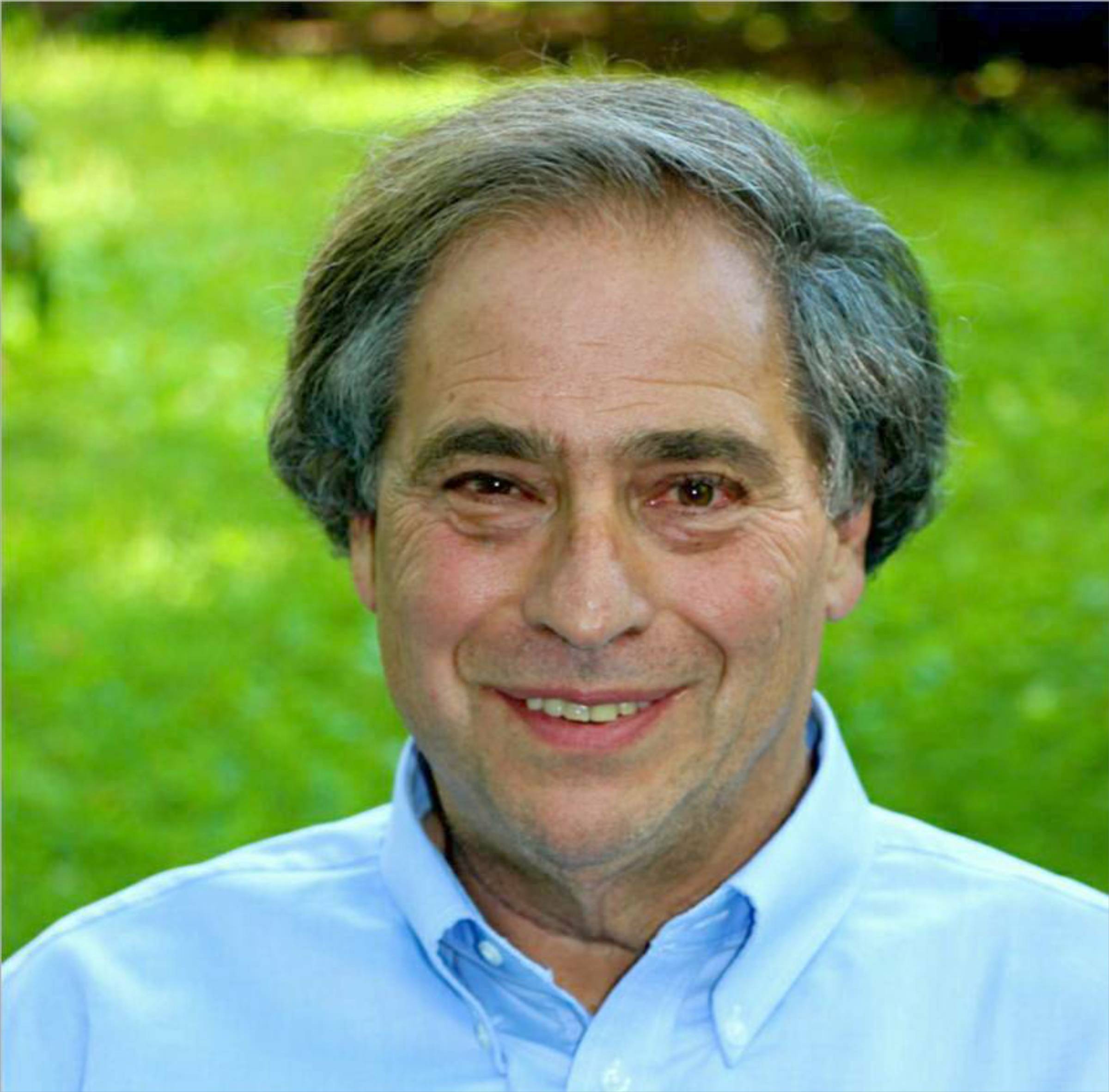
Martin Bailkey - Food for Thought Festival - CRC/GP boothMartin Bailkey is a food system consultant and former staff project manager for Growing Power, Inc. and co-director of theCommunity & Regional Food Systems Project. Martin is also an active member of the Madison Food Policy Council. He has worked in the food systems planning field over 17 years.

Marcia Caton Campbell, APA-FIG Leadership Committee Member, conducted this interview on November 17, 2015.

What is your first and last name? Martin Bailkey

What is your current position? I’m now completing my tenure as Co-Director of the Community & Regional Food Systems Project, a USDA-funded effort to document and implement food system innovations across the US. The project is run out of the University of Wisconsin-Madison. I’m returning now to food system consulting after working as a staff project manager for Growing Power, Inc., which is also a major partner in the CRFS project. I’m also a member of the Madison Food Policy Council.

How long have you held this position? The CRFS project began in 2011. I was with Growing Power for nine years in one capacity or another.

What do you enjoy about your work? After 17 years in the food systems field it still feels like cutting edge work in many ways, particularly in those contexts outside of our world of daily practice where alternative food practices are still considered novel (although that’s decreasing steadily).

Similarly, what do you find challenging about your work? It’s becoming increasingly challenging to keep up with what everyone is doing nationwide and globally. It’s also a good challenge to have!

What areas of the food system do you focus on in your work? Urban agriculture is what brought me into the field, and it still is at the core of much of the work I’m involved in.

In the work that you perform, where does addressing food systems issues fit in? How has this changed over time? When I started in food systems, I worked on the “big picture,” looking at things at a systems level. But my time at Growing Power took me to the level of the individual project and/or activity. I often reminded myself to assess how what was just completed altered the larger system that provided its context. I’m also much more aware of the pervasive role of systemic racism in the availability and accessing of nutritious food.

Do you consider yourself a food systems planner? Why or why not? Yes and no. At the risk of appearing overly concerned with formal designations, I’ve never had “food systems planner” as a professional title as more and more folks now do. But I’ve always held the belief that anyone who acts deliberately to fulfill a vision of a better future is, in essence, a “planner.” So, yes, in that sense I’m a food systems planner.

What is the biggest food systems planning-related hurdle your community/ organization faced in recent years and how was it dealt with? It’s been a challenge for the city of Madison to move a public market district forward. I’m not directly involved in the effort, but city staff and members of the Madison Food Policy Council have diligently employed planning practices in addressing the public’s questions about siting, need/use and funding. Madison, however, is one of those places where large public projects move pretty slowly anyway.

How has your perception of food systems planning changed since you first entered the planning field? A number of years ago Marcia Caton Campbell and I wrote a paper that essentially posited that while food system planning may have looked like a new area of professional practice it actually drew on and reflected established aspects of planning theory and practice. I still stand by that view.

Who has had the most influence on you as a planner? As a food systems planner? I had the good fortune to have had Jerry Kaufman as my major advisor in planning school. But though Jerry is considered a father of food systems planning, he had a greater influence by introducing me to the areas he was engaged in before food systems – planning theory, planning ethics (another area he pioneered), and central-city planning. Within food systems planning, no single individual(s) stands out. But I’ll give a collective shout-out to those university extension personnel dedicated to food systems with whom I’ve worked over the years.

Do you have any advice for someone entering the food systems planning field? What skills do you use the most in your food systems planning related work? My best advice would be to engage, either professionally or personally, in some sort of on-the-ground food system activity that gets your hands dirty; something connected directly to food production (e.g, for-market farming) or distribution (working at a farmers’ market). To me, the core of community food systems work is direct engagement with food, and the more one does that the better. Other than that, you can’t deny the importance of critical and strategic thinking, and being able to communicate – particularly through writing – for a variety of audiences, whether school kids, grant proposal reviewers or the general public. I draw on those skills constantly.

What do you wish you would have known before going to planning school? From the outside, urban planning always seemed rather dry compared to architecture and landscape architecture, my previous fields. Until I went to planning school, I wasn’t aware of how effective planning practice is driven by a vibrant theoretical base.

Interviewer’s note: In addition to the work described above, Martin is co-author, with Kimberley Hodgson and Marcia Caton Campbell, of the 2011 monograph, Urban Agriculture: Growing Healthy Sustainable Places. Planning Advisory Service Report Number 563. Chicago, IL: American Planning Association. Martin has also published many articles on urban agriculture.


Faces of Food Systems Planning is a series of interviews with practicing planners from across North America who are engaging in food systems planning and policy work. This series is part of APA-FIG’s efforts to highlight food systems planning as an important planning topic. Click here for more information.

Faces of Food Systems Planning: Erica Campbell

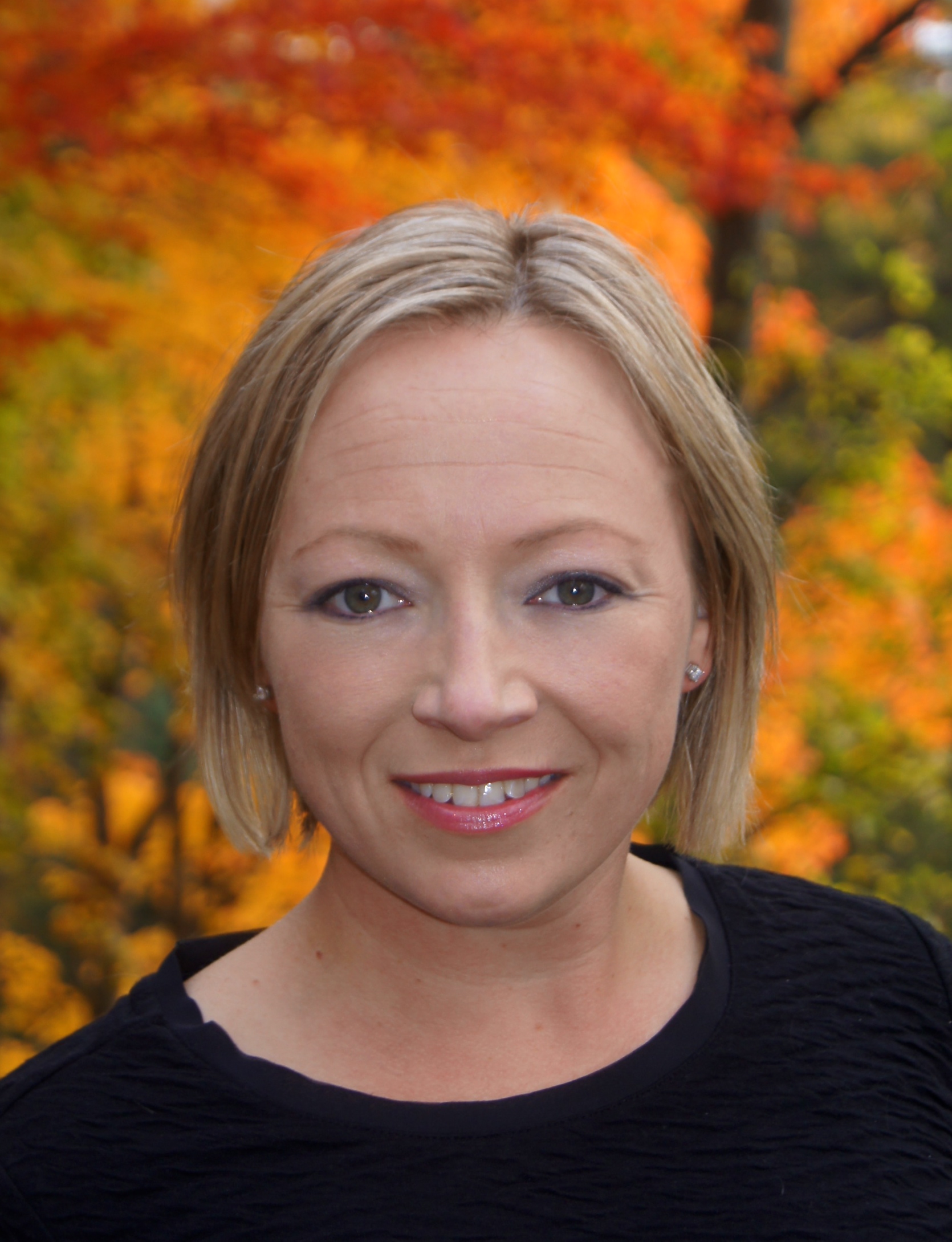
Erica Campbell Farm to Plate (2)Erica Campbell, is the Director of the Farm to Plate Network in Montpelier, Vermont. She is also a member of the APA-FIG Leadership Committee and the Coordinator of the APA-FIG Policy Working Group.

Andrea Petzel, member of the APA-FIG Leadership Committee, conducted this interview in October 2015. The following responses have been edited.

Do you consider yourself a food systems planner? Why or why not? I am not a traditional planner, but I do consider myself a food system planner. In my current job I am coordinating the implementation of the Farm to Plate Strategic Plan. But I’ve also worked for a planning agency in Vermont to develop a regional food system plan for a three county region, and on a local level, I have also overseen a local food system assessment and have incorporated a food system chapter into our municipal plan.

What areas of the food system do you focus on in your work? The Farm to Plate Strategic Plan is perhaps the most comprehensive in the country; its nearly 1,000 pages include all elements of the food system. It began largely as a plan to spur economic development and jobs in the farm and food sector, but quickly broadened to include food access, health, environment, etc.

What is the biggest food systems planning-related hurdle your community/organization faced in recent years and how was it dealt with? While we have a very collaborative environment here in our little state, the diverse views of network members bring a host of challenges. For example, strategies that help make farms more viable may inadvertently be contrary to making food more accessible and affordable. Sometimes Network member organizations are in direct opposition around a policy or program initiative, such as a livable wage or paid sick days legislation. We certainly look at win-win opportunities, but sometimes we need to have challenging conversations, including issues of racial justice, equity, and working conditions.

How has your perception of food systems planning changed since you first entered the planning field? When I first worked as a transportation and land use planning consultant, I was aware of local food systems but I was unaware that food system planning was a field until I came across APA’s food system planning documents. I was really excited when I found these reports as they catalyzed a desire to focus on the food system field.

Who has had the most influence on you as a food systems planner? Wendell Berry has been a big influence on me as a person, and his writings have influenced my relationship with food, the land, and community. Donella Meadows was another big influence in terms of understanding leverage points for systems change. Growing up in a small rural state and having a close connection with the people who grew the food we ate (and growing it ourselves) also had a big influence on my understanding of food systems and community.

Do you have any advice for someone entering the food systems planning field? It’s really important to understand complex systems because plans ultimately need to be aimed at creating systems change. Even if you want to focus on one area of planning, an integrated approach that addresses the interrelatedness of issues is really helpful. Other knowledge areas that have aided me in my work include: policy analysis, research methods, public administration, economics, ecology, and sociology. Writing and communications are great skills to have too – using data to tell a story is a skill I am still working at!


Faces of Food Systems Planning is a series of interviews with practicing planners from across North America who are engaging in food systems planning and policy work. This series is part of APA-FIG’s efforts to highlight food systems planning as an important planning topic. Click here for more information.
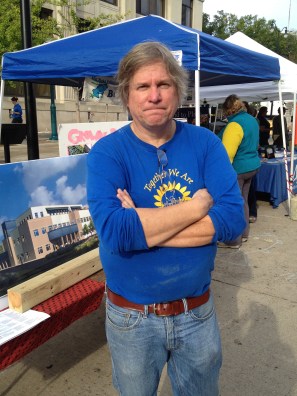
Faces of Food Systems Planning: Megan Horst

Megan HorstMegan Horst is Assistant Professor at Portland State University in Portland, OR.

Andrea Petzel, member of the APA-FIG Leadership Committee, conducted this interview in October 2015. The following responses have been edited.

Do you consider yourself a food systems planner? Yes!

What do you enjoy about your work? Working with students and infiltrating their planning minds with foods systems issues. I also really like bridging the gap between research and practice.

What do you find challenging about your work? Food system work is filled with wicked problems with no one cause but rather systemic injustices. Trying to address all of these issues can be challenging, when one has little power or say over the cause. Sometimes the heaviness of the problems can be daunting; federal policy, climate change, social justice issues.

Who has had the most influence on you as a planner and as a food systems planner? I’ve really been influence by literature beyond planning –Julie Guthman, Alison Alkon, Julian Aguyeman – people who work in food justice and how the food movement isn’t paying attention to justice and is over-focused on local and sustainable food.

How has your perception of food systems planning changed since you first entered the planning field? I think I originally came to food systems planning based on my interest in sustainability issues and now I marry it much more closely to social justice issues.

What areas of the food system do you focus on in your work? I work mostly on the research side of things and right now I have an interest in farmland and farming issues – the effectiveness of urban growth boundaries, how we deal with expected growth, and whether investors are making a grab for farmland. Farmland access could be a concern; who gets to access and who’s producing the food. Is it corporate investors? Is it luxury or second homeowners? What does that mean for access by landless, young, immigrant farmers – farmers who really want to grow food sustainably for the local population? There’s lots of work happening to foster access to new farmers and that’s exciting.

Do you have any advice for someone entering the food systems planning field? Read from literature from broader food justice issues, not just planning topics. Read about international work, and learn about anti-oppression and anti-racism training. As a planner you also need to use many practical skills; you need to be good at facilitating meetings and always work on being better at communicating and being more inclusive.


Faces of Food Systems Planning is a series of interviews with practicing planners from across North America who are engaging in food systems planning and policy work. This series is part of APA-FIG’s efforts to highlight food systems planning as an important planning topic. Click here for more information.

Faces of Food Systems Planning: Becky Bodonyi

BeckyPhoto

Becky Bodonyi is a planner working as a program specialist for the Multnomah County Health Department located in Portland, Oregon. Her work focuses on bridging urban planning, public health, and food access issues. Becky is also an active member of APA-FIG’s Policy Working Group.

Kimberley Hodgson, Chair of APA-FIG, conducted this interview via email in October 2015.

  1. What is your first and last name? Becky Bodonyi
  2. What is your current position? Program Specialist, Multnomah County Health Department, Portland, Oregon
  3. How long have you held this position? Just over three years.
  4. What do you enjoy about your work? I love working at the intersection of public health and urban planning. It’s an exciting time to be a planner at the health department, as more and more people in a wide variety of sectors are starting to realize how their organization or their work influences health. The idea that place matters is becoming more widespread and I get to help people tell this story. I also love geeking out about the data – both quantitative and qualitative – making maps and working to figure out how we’ll get from a vision to tangible change in our communities. Finally, I’m always told that planners talk in “planner speak,” and I love helping non-planners understand the world of planning, for example, deciphering maps, visualizing floor-area-ration (FAR), or how a density bonus can help us achieve multiple outcomes.
  5. Similarly, what do you find challenging about your work? Change is slow. It takes time to change systems, especially when the work is about making those systems more fair and just. The health inequities we see today, especially related to food, nutrition and chronic disease, have their roots in a long history of racism and policy decisions across all sectors, from agriculture and housing to transportation and education. The challenge is understanding how all of this is related but also accepting that not everything can be “fixed” overnight and being patient with yourself. I first heard Wes Jackson’s words nearly 17 years ago: “If your life’s work can be accomplished in your lifetime, you’re not thinking big enough.” And while it has since inspired me, I will also admit that it is ultimately my biggest challenge.
  6. What areas of the food system do you focus on in your work? I’m focused on healthy food access. My projects of late have centered on food retail and integrating food access into transportation planning.
  7. In the work that you perform, where does addressing food systems issues fit in? How has this changed over time? I work mostly on the consumer end – where do people shop and how do they get there, what’s on the shelf, do customers know how to prepare it, what is actually getting eaten. That said, working in healthy retail and helping small retailers overcome barriers has also meant I have had to engage somewhat with production and distribution through farm to store efforts, joint purchasing, and learning what wholesale produce suppliers serve the region.
  8. Do you consider yourself a food systems planner? Why or why not? Yes and no. I am an urban planner by training and I work on issues directly connected to food systems. But my focus within the food system has been so narrow that I don’t immediately identify as a food systems planner. Rightly or wrongly, in my head, I’ve reserved that title for folks who are working at a systems level, say convening a process to integrate food systems into a comprehensive (or general) plan or to develop a multi-sector food action plan.
  9. How has your perception of food systems planning changed since you first entered the planning field? I was an Environmental Studies major in undergrad and I took a few sustainable agriculture classes, which opened my eyes to the world of agriculture policy and food systems. When I got to planning school, which wasn’t that long ago, I guess I was surprised to learn that food systems planning was relatively new. It seemed so obvious to me that planners should be paying attention and using their tools and planning processes to support/influence/improve the food system. I’m glad it’s getting more and more attention now.
  10. Who has had the most influence on you as a planner? As a food systems planner? I don’t have any particular influences. I am a social justice advocate and planning is just one of my tools that I use to advance equity and fairness. I was raised to believe everyone deserves to live to their full potential and to do so in a physical, social and political environment that supports their total well-being and that presents opportunity not barriers. I picked planning as a career to contribute to this vision. I also just love cities and talking with friends (and strangers) about what works and what doesn’t about a particular place. Every day conversations and observations are probably the most persistent influence I have on my planning practice. I get around mostly by walking, biking or taking transit, which gives me a lot of time to observe the city and to interact with other people. A lot of my thinking is done on the bus.
  11. Do you have any advice for someone entering the food systems planning field? What makes you successful in your work? What skills do you use the most in your food systems planning related work? Food systems planning is a broad field – don’t just limit yourself to working for a planning agency or a firm. I didn’t expect to work for a health department but am finding it to be an interesting place to be a planner and be a bridge between urban planning, public health and healthy food advocates. Skills that have proven useful in my role have been project management, negotiation, data and policy analysis, evaluation planning, and relationship building.
  12. What do you wish you would have known before going to planning school? Planning is as much an art as it is a science. I knew I didn’t want to go into the academic world so I focused my school search on programs that offered the so-called ‘professional degree.’ I didn’t exactly know what this meant and it was kind of sold to me as a two-year program where you developed technical skills, like understanding land use laws or GIS, and boom – you’re workforce ready. While those technical skills are essential, planning is about people and communities and humans’ relationships with each other and with place. It’s also about politics, conflicting priorities, and chronically underfunded cities (or counties). It is way more complicated and messy than I expected and this is where the art comes in. Planning school helped me develop skills to navigate this part of planning, but truthfully, the art of the profession is something that is better learned in the work place not necessarily a classroom. (And, I’d argue, the skills a planner needs to succeed in the art of planning don’t need to be learned in an urban planning job).

Faces of Food Systems Planning is a series of interviews with practicing planners from across North America who are engaging in food systems planning and policy work. This series is part of APA-FIG’s efforts to highlight food systems planning as an important planning topic. Click here for more information.

Faces of Food Systems Planning: Jaspal Marwah

IMG_3963 - Version 2Jaspal Marwah is a regional planner working for Metro Vancouver, a regional planning agency, in Burnaby, BC. He is responsible for developing an action plan to implement the Metro Vancouver Regional Food System Strategy.

Kimberley Hodgson, Chair of APA-FIG, conducted this interview via email in October 2015.

What is your first and last name? Jaspal Marwah

What is your current position? Regional Planner, Metro Vancouver, Burnaby, BC

How long have you held this position? 2 years

What do you enjoy about your work? I like the variety of assignments and projects that I’m able to participate in – from technical work like processing requests to change land use designations, or assisting municipal partners in aligning their planning processes with the regional growth strategy, or championing a new plan or strategy like the regional food system action plan. My area of focus tends to also be in social planning issues, which I find rewarding to participate in. And it’s also interesting to focus on the connections and opportunities for local governments to collectively advance initiatives that are region-wide.

Similarly, what do you find challenging about your work? Working at a regional scale doesn’t have the same level of engaging technical, hands-on, on the ground type of planning work that happens at the municipal level. And political interests are always a challenge to navigate.

What areas of the food system do you focus on in your work? I’m working on an action plan to implement our regional food system strategy. My focus is on convening all of the local governments in Metro Vancouver to assess the current state of activity related to the region’s food system, to map out what’s happening on the ground in the next 5 years, and to address areas that need more effort. This initiative focuses specifically on the dimensions of the food system that local government have immediate control over and can directly engage with.

In the work that you perform, where does addressing food systems issues fit in? How has this changed over time? My involvement with food systems planning started out working with colleagues to plan and deliver a consultation series on different aspects of the regional food system, including some analysis of the feedback and outcomes. Following that, the food system portfolio migrated from a different department into the planning department, where I was able to take the lead on moving things forward in developing a regional food system action plan. Currently, food systems planning remains one of my lead projects.

Do you consider yourself a food systems planner? Why or why not? I consider myself a planner who is fortunate enough to be involved in food policy and food system issues. Although I enjoy being engaged in the regional food system, it is only one dimension to my overall planning work.

What is the biggest food systems planning-related hurdle your community/organization faced in recent years and how was it dealt with? One of the biggest challenges is in securing and sustaining political and organizational support for bringing food system issues into the local government sphere of activity. Some don’t always see the important role that local governments have in supporting the food system. Building connections among local governments helps create a network of peers and practitioners to learn from, and to develop common approaches and language around integrating food system issues into local government processes. Similarly, building relationships between local government and civil society groups seems to be a very effective approach to enabling a lot of on the ground activity.

How has your perception of food systems planning changed since you first entered the planning field? I started off in the green development/ sustainability policy field, and wasn’t aware of food systems and the connection with planning at that time. Since then, I’ve seen the steady growth of food systems issues in general within my community, and increasingly in the realm of local government interests. It is now a burgeoning field with opportunities for practitioners and supporters in the public, private and non-profit sectors.

Who has had the most influence on you as a planner? As a food systems planner? The colleagues and partners I worked with when I first started out in the consulting field helped provide perspective and experience to learn from and to understand the field more holistically. For food systems planning, my peers Janine de la Salle and Mark Holland have always been passionate voices and innovators in the field, and have helped bring food systems planning to the forefront of planning practice in Vancouver.

Do you have any advice for someone entering the food systems planning field? What makes you successful in your work? What skills do you use the most in your food systems planning related work? Don’t feel constrained by job titles or even distinctions between public/private/non-profit sectors – there are many paths that lead to food systems planning. Look for opportunities to be involved in food systems issues in your community – there are non-profits that are always looking for assistance, and who are doing a lot of the ‘on the ground’ work; municipal advisory committees with opportunities to be involved as a citizen; attend council meetings for food systems issues to get a sense of the discussion, debate, areas of concern from a local government perspective; and, if one is working in a planning company that doesn’t have any food systems experience, there’s an opportunity to bring the issue to the table as part of other projects. Like any planning work, the skills involved are varied and depend on the nature of your work, but some skills are always helpful, such as: systems thinking (to consider how all parts of the food system interact), facilitation (sooner or later you’ll be involved in some form of consultation and group work) and relationship-building (positive and productive relationships with other agencies is key to advancing food systems issues).

What do you wish you would have known before going to planning school? Planning is a broad, generalized field and has as many dimensions as it has practitioners. The education helps give one a sense of the field, but the real learning really only happens after planning school once you’re practicing!


Faces of Food Systems Planning is a series of interviews with practicing planners from across North America who are engaging in food systems planning and policy work. This series is part of APA-FIG’s efforts to highlight food systems planning as an important planning topic. Click here for more information.

Faces of Food Systems Planning: Thyra Karlstrom

ThyraThyra Karlstrom is a senior planner for Marquette County, Michigan located in the Upper Peninsula (UP) near Lake Superior. Food systems planning has not always been part of her work, but in recent years she has been able to focus some of her time to work on food systems issues. Recently, she led the development of a comprehensive local food supply plan for the county, and is currently working on a meat processing feasibility assessment for the UP.

Kimberley Hodgson, Chair of APA-FIG, conducted this interview via email in October 2015.

  1. What is your first and last name? Thyra Karlstrom
  1. What is your current position? Senior Planner, Marquette County, Michigan
  1. How long have you held this position? I have worked for Marquette County for 8 years, and as Senior Planner for 1.5 years.
  1. What do you enjoy about your work? The diversity of projects, all of which share a common element- improving community. In addition to traditional county-level planning, the Marquette County Planning Division is also charged with managing a community development program, county forest and recreation facilities.
  1. Similarly, what do you find challenging about your work? The same thing I enjoy about work can also be a challenge. Having to shift in and out of topics that range from plan writing to managing a forest to balancing a recreation budget is a challenge.
  1. What areas of the food system do you focus on in your work? Mostly policy and education. My position as a county planner presents opportunities to share information and raise awareness of food systems with local municipalities. It is unusual for rural municipalities to have planning staff. It is common for a township supervisor to also serve as the zoning administrator, code official, etc. leaving no time to research and develop food systems policy.
  1. In the work that you perform, where does addressing food systems issues fit in? How has this changed over time? Addressing food systems issues fits into the traditional county-level planning work that I do. In 2013, a local food supply plan was adopted by the County’s planning commission and later by the county board. The Plan is a guiding document for our planning commission and planners to use and enables us to be active participants in addressing our community food system issues. On a routine basis, the county planning commission reviews proposed plans and regulations from local units within the county. One thing we look for is whether or not they are “local food friendly” and we offer suggestions for improvement. Over time, I believe our county government has taken a stronger role in addressing food systems issues. For example, the County is the lead applicant for a grant to study the feasibility of a USDA multiple species processing center(s) across the Upper Peninsula of Michigan.
  1. Do you consider yourself a food systems planner? Why or why not? I consider part of me a food systems planner, but that does not mean that this region is absent a food systems planner. A great characteristic about where I live, in the Upper Peninsula of Michigan, is the community’s ability to work in partnership – across municipalities, agencies, and sectors. Together, we combine our resources and achieve great things!
  1. What is the biggest food systems planning-related hurdle your community/organization faced in recent years and how was it dealt with? Navigating the Michigan Right to Farm Act (MRTFA) is a significant and on-going challenge as we try to strengthen our food systems. The MRTFA preempts local zoning regulation, but not always and there have been many court cases addressing this topic. It is hard for municipalities to create “local food friendly” regulations when there is a threat of litigation. We continue to monitor court cases, research what other municipalities are doing, and work on model zoning language for agriculture.
  1. How has your perception of food systems planning changed since you first entered the planning field? When I first entered the planning field well over 10 years ago, the term “food systems” was not on my radar. Through participation in Transition Marquette County and hearing Will Allen speak at the 2009 APA conference in Minneapolis, I was inspired to make “food systems” a common term in Marquette County. Components of a food system have always had a presence in planning activities, but today there is an increased awareness of how all of the components fit together and that now has an identity – “community food system”.
  1. Who has had the most influence on you as a planner? As a food systems planner? My planning advisor and professor during college, Steve DeGoosh. He is really a professor of community and has a talent to lead the community through discussion of tough subjects. My children motivate me to continue in the planning field, especially food systems planning. I want them to experience how food is grown and where it comes from and a strong community.
  1. Do you have any advice for someone entering the food systems planning field? What makes you successful in your work? What skills do you use the most in your food systems planning related work? The best advice that I can offer, and this extends beyond food systems planning, is to know your audience. A great idea can be snuffed out quickly if your audience feels alienated. It is also important to trust your ideas and to just go for it sometimes. Be a student and a team member-learn from others and provide support where you can.

Faces of Food Systems Planning is a series of interviews with practicing planners from across North America who are engaging in food systems planning and policy work. This series is part of APA-FIG’s efforts to highlight food systems planning as an important planning topic. Click here for more information.

Faces of Food Systems Planning: Helen Schnoes

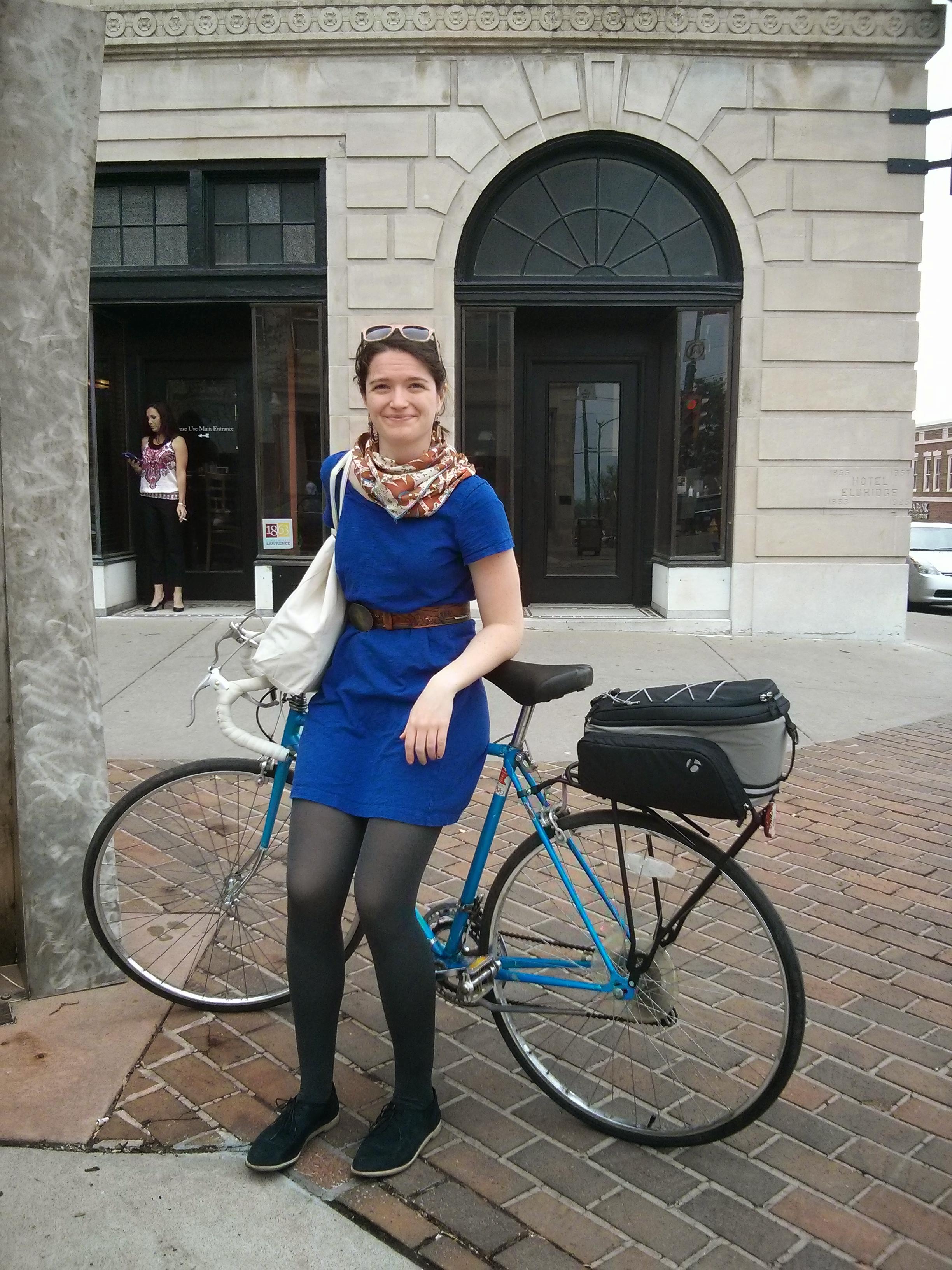
IMG_20150412_170915Helen Schnoes is the Food Systems Coordinator for Douglas County, Kansas. As a recent graduate of planning school, and a recent hire occupying a newly created position, Helen provides a unique perspective on defining her food systems planning work. Her work focuses on a variety of local food system development initiatives, including food hubs, farmers markets, farm to school, food policy council support, and food system assessment. She is also an active member of APA-FIG’s Policy Working Group.

To learn more about the innovative food systems planning and policy work of Lawrence and Douglas County, click here.

Kimberley Hodgson, Chair of APA-FIG, conducted this interview via email in October 2015.

  1. What is your first and last name? Helen Schnoes
  2. What is your current position? Food Systems Coordinator, Douglas County, KS
  3. How long have you held this position? Since April, 2015
  4. What do you enjoy about your work? I enjoy working with a wide range of people throughout the community, and the chance to balance an appreciation for the local context with bringing new ideas to the table and learning from the work happening elsewhere. I get to staff our food policy council, a group of 23 stakeholders who advise our county and city commissions on food systems issues. It has also been rewarding to provide a supporting role to increase public input into policy change–and learn on the ground about the technical details of these processes/policies at the same time.
  5. Similarly, what do you find challenging about your work? Defining what it is! With just under 6 months at this job, I’ve learned a lot, but am still figuring out how to define the “scope” of what I’m doing. As a new role in county government, I talk a lot with my boss about what our place in the community is to support local food development and community health–and what “food systems” issues we can actually meaningfully address at the local scale. Recently, figuring out how to frame issues, especially how food “connects” issues beyond its materiality, has been on my mind. There’s a lot of powerful writing and thinking nationally about food issues and planning–but translating that into practical, on the ground action is an intellectual and professional challenge–though quite an exciting one to have the chance to tackle! On a practical level, too, I’m in a grant-funded position, so its tenure is limited in its initial composition, and dependent upon Congress. (But we are thinking about future options.)
  6. What areas of the food system do you focus on in your work? It’s a mix: Local food system development, including food hub creation and fostering wholesale opportunities for small-scale farmers; supporting farmers markets; farm to school purchasing processes; food policy council support/facilitation; communications and public messaging, including a focus on health; local food system assessment (across sectors) and planning.
  7. In the work that you perform, where does addressing food systems issues fit in? How has this changed over time? It’s everywhere! My role is funded by a Centers for Disease Control and Prevention (CDC) grant our health department received, so some of my key priorities are guided by that (wholesale local food purchasing, including farm to school and public promotion for local, healthy foods). But that work is also closely tied to other opportunities that arise in the community–including the food plan that the steering committee leading our comprehensive plan update tasked the food policy council to create for the next year, and the revision to our local urban agriculture policies, which the city commission tasked Planning with this summer. I’ve helped with public outreach and draft review.
  8. Do you consider yourself a food systems planner? Why or why not? With just over a year since completing my planning master’s degree, I do find that the planning lens really influences how I think about the work and how I see myself relating to the various stakeholders and community members I engage with. Attending the national APA conference in Seattle and participating with APA-FIG further help me maintain this identification with food systems planning even though some of my days are not as closely related to “planning,” per se. The chance over the coming months to help create a local food plan and update our food system assessment, however, present an exciting opportunity to really delve into food systems planning and, hopefully, anchor it locally in our long-range planning and policy priorities.
  9. What is the biggest food systems planning-related hurdle your community/organization faced in recent years and how was it dealt with? When our first food system assessment was conducted over five years ago, after our food policy council formed, the report pointed to local food infrastructure and food security as key areas needing attention. This has guided a lot of work since then, including creating a community garden program on city land, receiving a USDA grant to conduct an in-depth feasibility study and farmer/buyer outreach about building a regional food hub, and creating a matching program for SNAP at Farmers Markets–launched by and still partially-funded by local government. Since arriving this past April, I’m working with the core group of farmers leading the formation of the food hub and we worked with them to apply for additional USDA funds to help launch their aggregation business. Our Chamber is working with them to disburse other start-up funds our food policy council received to support the effort. Now that we’re launching an update of that first food system assessment, we’re talking about how we can integrate labor concerns, river environmental health, and even housing affordability to continue pushing how we (and our leaders) understand and address food security. Both local food aggregation (and growing the production/viability of small-scale farmers), especially in Kansas, and food security are long-term issues with many non-local influences. However, I’ve been impressed by the continued energy in this community to maintain commitment to these efforts.
  10. How has your perception of food systems planning changed since you first entered the planning field? Not a lot of people know what food systems planning is! (Although I do think my mom gets it now.) I’m still working on how to simply talk about the type of work I’m doing. However, as a young professional, I’m very excited to be entering the planning field at this time that food systems issues really are further establishing themselves within the profession. The question of scale is also very clear in my mind since taking a job in local government, and how influential state and regional dynamics can be–yet at times beyond our immediate sphere of action for the majority of our work. But, this intrigues me to continue thinking about alternative approaches, opportunities for coordination and collaboration, etc. Also: There’s often an urban (big city urban) bias to a lot of “national” conversations about food planning.
  11. Who has had the most influence on you as a planner? As a food systems planner? I like to tell people that I chose to attend Cornell for my planning degree as much for its location in Ithaca, NY, given its strong local food scene, and its standing as a land grant university with cooperative extension, as any of its “prestige.” There were so many people there that contributed to how I think about food systems and planning: Mildred Warner was an amazing (and demanding) advisor, and John Forester imbued an important level of self-awareness about the process and place of planners. I had the great fortune to overlap in my two years there with Becca Jablonski, and meet others she works with, including Ken Meter. I have a handful of peers who also pursued their own food systems planning focus and we bonded over our shared commitment to this area that many of our classmates rarely even knew existed (at first). My program also encouraged us to take courses outside of planning, so leveraging law, business, development sociology, agricultural economics, and natural resource courses provided a breadth of perspectives about issues central to food systems work. Volunteering with a community local food networking group and interning with Martha Armstrong at Tompkins County Area Development in Ithaca were very formative and helped get a bit of reality to balance my coursework “up on the hill.” From my volunteering I met Jeanne Lecesse, who now with Growing Food Connections, has provided helpful guidance about being a young planner on the job market interested in food systems. My food systems work is also very much shaped by two summers in Sitka, Alaska, and subsequent work with Nic Mink to research wild salmon and help launch Sitka Salmon Shares, a sustainable wild seafood business built upon the community supported fishery model, adapted for Midwestern consumers. Since graduate school, I’ve had the opportunity to intern with the Sustainable Farming Association of Minnesota and work with the Minnesota Institute for Sustainable Agriculture–two pioneering groups in my home state who have worked for decades to build capacity and connections that have significantly impacted small- and medium-scale agriculture and the state’s local food system. I draw from all of these experiences for my current work.
  12. Do you have any advice for someone entering the food systems planning field? What makes you successful in your work? What skills do you use the most in your food systems planning related work? I feel I could still gain much from what others answer when asked these questions! That said, I am a strong believer in always following your passions, putting yourself out there for different opportunities (some will be dead ends, others will work out), and having a driving curiosity mixed with entrepreneurial spirit. Find people who inspire you and from whom you can learn, and ask questions. (I’m currently reading Food for City Building by Wayne Roberts and think that’s a pretty accessible and over-arching primer for thinking about this type of work, though of course context-specific to Toronto.) The ability to think critically/creatively and make connections (with people, across issues) is really important in the rather nebulous realm of food systems planning. Take an optimistic perspective, most of the time. A lot of this work comes down to communication with others, building relationships, and thinking strategically of both the short and long term. Synthesizing information and tailoring arguments for different audiences is important. Be humble and listen. I’m hoping to build my more technical skills regarding specific policy interventions, financing options, public facilitation processes, etc. Though I don’t use it, I appreciate that I persevered through a GIS course to understand data analysis and presentation better, and how to utilize it as needed. Being able to conduct meaningful evaluation is also important. I’ve done quite a bit with Survey Monkey, for example, and benefited from exposure to survey design while in school, as well as use of Excel for basic analysis and presentation. Related–knowing where to go for other examples of food systems work, data sets, etc. is helpful and something to continually develop. (And, luckily, FIG and GFC are working on this!) I personally think there’s an under-appreciated importance for food as culture and the power of stories. I reflect on this quite a bit, even though I don’t often utilize it in my day-to-day work so far. Gravy, a podcast by the Southern Foodways Alliance, is excellent on this front and one of my favorite things right now.
  13. What do you wish you would have known before going to planning school? Knowing more about local government, its processes and financial aspects, though varied across place, could have provided a richer foundation for a lot of our planning discussions. Despite getting pretty advanced with math in high school and college, I hadn’t had a statistics course until grad school, and it was a WHIRLWIND from which I learned a lot, but would have probably gotten more out of, and better leverage now, with additional coursework. When I wrote my application for planning school, I actually said that I wanted to enter the program not to be a planner, but to gain the tools of the planner to influence food systems change. However, I now have deepened my appreciation for the larger field of planning, and value that professional identity much more than I anticipated I would three years ago. So, I’m probably the opposite of a lot of planners–where I’m the food systems girl who’s enjoyed expanding my perspective through planning, instead of the planner who’s beginning to integrate a food systems perspective.

Faces of Food Systems Planning is a series of interviews with practicing planners from across North America who are engaging in food systems planning and policy work. This series is part of APA-FIG’s efforts to highlight food systems planning as an important planning topic. Click here for more information.

Faces of Food Systems Planning: Robert Brown

Bob Head Shot July 31 B - 2015 CROPRobert (Bob) Brown is the former director of city planning for the City of Cleveland and the newly appointed interim executive director of MidTown Cleveland, Inc. As Cleveland’s planning director, Bob was instrumental in developing some of the most innovative and progressive urban agriculture zoning regulations in the U.S. These regulations paved the way for allowing urban agriculture – both commercial and non-commercial – to flourish throughout the city.

Kimberley Hodgson, Chair of APA-FIG, conducted this interview via email in October 2015.

  1. What is your first and last name? Robert N. Brown, FAICP
  2. What is your current (or most recent) position? Director of City Planning for the City of Cleveland (retired May 2014); Interim Executive Director of MidTown Cleveland, Inc. (current)
  3. How long did you hold this position? I was at the Cleveland City Planning Commission for nearly 30 years and was Director for nearly 10 years. I have been at MidTown Cleveland for just 2 months.
  4. What did you enjoy about your work? I love cities and I love city planning, so my work is a perfect fit.  I enjoy coming up with creative solutions to problems in a way that betters the community.
  5. Similarly, what did you find challenging about your work? The most challenging aspects of my work as a city planner include the slow pace of change, the persistence of key problems (like poverty and housing deterioration), and the lack of funds to address key issues.
  6. What areas of the food system did you focus on in your work? Updating zoning regulations to permit expanded urban agriculture and making City-owned land available for urban agriculture.
  7. In the work that you performed, where did addressing food systems issues fit in? How did that change over time? Food systems planning was not a part of my work until late in my career – the past several years.  It had become a significant part of my work in the past several years.
  8. Do you consider yourself a food systems planner? Why or why not? Food systems planning was a small (but important) part of my job as a generalist city planner.
  9. What is the biggest food systems planning-related hurdle your community/organization faced in recent years and how was it dealt with? From my limited role, the biggest hurdles we faced were removing obstacles from the zoning code that prevented the use of vacant land for exclusive use as farming and prevented the use of most land for raising chickens and keeping bees, as well as selling produce from residentially zoned property. We successfully overcame these obstacles.
  10. How has your perception of food systems planning changed since you first entered the planning field? I have realized the importance of urban farming for several reasons including:  productive use of otherwise “vacated” land, improved nutrition for some city residents, and as a community-building activity that brings neighbors together both for the farming activities and for the farmers’ markets.
  11. Who has had the most influence on you as a planner? As a food systems planner? As a planner, I was influenced most by Jane Jacobs and by local Cleveland City Planning Directors, Norm Krumholz and Hunter Morrison.  In my limited role as a food systems planner, I was most influenced by Morgan Taggart through her former work at Ohio Extension.
  12. Do you have any advice for someone entering the food systems planning field? What makes you successful in your work? What skills do you use the most in your food systems planning related work? I would advise a person entering the field to learn about the realities and the challenges of urban food systems planning, including the financial issues associated with small-scale farming operations and the issues regarding environmental contamination.
  13. What do you wish you would have known before going to planning school? My planning career could have benefited by more knowledge of real estate and development financing.

Faces of Food Systems Planning is a series of interviews with practicing planners from across North America who are engaging in food systems planning and policy work. This series is part of APA-FIG’s efforts to highlight food systems planning as an important planning topic. Click here for more information.

Faces of Food Systems Planning: Heidi Stucker

March 10, 2015. Boston, MA. The Metropolitan Planning Council staff photos. © 2015 Marilyn Humphries

March 10, 2015. Boston, MA.
The Metropolitan Planning Council staff photos.
© 2015 Marilyn Humphries

Heidi Stucker is a Food System Planner for the Metropolitan Area Planning Council in Boston, Massachusetts. She has held this position for 1.5 years.

Erica Campbell, member of the APA-FIG Leadership Committee and Coordinator of the APA-FIG Policy Working Group, conducted this interview in October 2015.

What do you enjoy about your work?

As a food system planner, I most enjoy the process of facilitating conversations between stakeholders that conclude with all contributors having a far more nuanced understanding of the food system, and what strategies are most important and practicable. To adequately understand the issues present in the food system, and to develop strategies for addressing those issues, it’s important to bring together a range of individuals and stakeholders to identify the leverage points for food systems improvements. Stakeholders include a range of people with varying perspectives to offer – consumers, food producers, supply chain workers and managers, advocacy groups, policy makers and legislators, and others.

What areas of the food system do you focus on in your work?

I am working on state food policy efforts as well as multi-municipality projects on healthy food programming in grocery stores and neighborhood markets. I am also helping develop ideas for future projects at my agency that address food waste management and local food distribution to school districts in our service region. I am a lead planner on the Massachusetts Food System Plan. This planning process, which has been ongoing for over one and a half years has focused broadly on all aspects of the food supply chain. Through convening a range of food system experts and stakeholders – from fishermen to farmers, researchers to legislators, advocates to activists – the process has led to the development of food policy recommendations that advance the local food system and contribute to achieving goals for increasing local food production and catches, improving business and job opportunities, improving the availability and affordability of local foods, and conserving and ensuring responsible stewardship of natural resources in food production.

I am also a contributing planner to a project that is partnering with a cluster of municipalities north of Boston to improve healthy food access in the cities and towns. The project team is working with neighborhood market owners to develop a business association that would enable identifying and addressing issues unique to smaller food and convenience stores, including improving healthy food distribution. The team is also working with grocery stores to pilot a healthy check out aisle.

In the work that you perform, where does addressing food systems issues fit in? How has this changed over time?

I address food system issues as a central component to my work. Over half of my time is committed to food system-related projects. Over time, I have taken on additional work in climate change adaptation planning.

Do you consider yourself a food systems planner? Why or why not?

I do consider myself a food system planner. This is a central component of my work and expertise.

What is the biggest food systems planning-related hurdle your community/organization faced in recent years and how was it dealt with?

One of the greatest challenges our planning team has faced in the process of developing a state food system plan has been to ensure a process that is representative of a diversity of stakeholders. Through our efforts we had regular input from over 300 people, and outreached to over 1500 people. Those that joined discussions were representative of all parts of the food system, and included researchers, practitioners, industry professionals, advocates, and others. Despite our great successes in developing ongoing relationships with a range of individuals that provided valuable insight into the issues and priority areas for improving our local food system, we had difficulty engaging a few groups of individuals, including those working in the food system – farmers, fishermen, food service workers, those representing mid- and larger- food production and distribution companies, and constituents of community based organizations. While these stakeholders were underrepresented in the larger group conversations, perhaps because of time and financial constraints, we remedied this by deliberately reaching out to these groups to better understand their concerns and ideas, and integrated their feedback into the shaping of the food system plan.

How has your perception of food systems planning changed since you first entered the planning field?

Prior to studying food system planning, I had been engaged in food system work in Massachusetts for seven years, and in that time I had observed that increasingly consumers, businesses, community organizations, and others were using food as starting point for talking about a whole range of issues – from the challenges faced by farmers and fishermen to have secure livelihoods, to the prevalence of diet-related health issues experienced by communities of color as symptomatic of systemic issues that resulted from years of racism and disinvestment in these communities.

At the time when I started my masters program there were a handful of examples nationally where cities, regions, and in some cases, states had begun prioritizing food system work, identifying strategies for addressing issues related to farming, food access, food supply chains, and others. As a budding practitioner in the field, I was excited to be a part of an emerging field, hopeful that the field would continue to grow, and intrigued to see whether the field would develop into an independent discipline within the urban planning field, or if it would be integrated into existing disciplines of the field. As it turns out, the answer is, both.

Today, food system planning is emerging as a unique and independent discipline of urban and regional planning, and it is also being integrated by other planning fields – economic development, public health, energy, environmental, transportation, and others. These planning fields are making food system advancements through projects that focus on topics like workforce and business development in the food system, developing solutions for food waste, agricultural preservation and conservation, improving food access through improved transportation systems, and others.

Do you have any advice for someone entering the food systems planning field? What makes you successful in your work? What skills do you use the most in your food systems planning related work?

Food system planning connects to nearly all fields within urban and regional planning. It is crosscutting in a way that few other areas of the field are. Furthermore, it is engaging; everyone eats and enjoys food. Beginning conversations with food can open up dialogue about a range of topics: social justice, ecological stewardship, and economic prosperity.

For an individual entering the field of food system planning, I would urge her to gain a firm understanding of the ways food systems connects to a range of issues. In opening conversation with communities about their food systems, help to make those connections and encourage examining issues from several angles, so that strategies shaped for strengthening food systems can be thoughtfully informed.

Further, food system planning is still in its early stages, and there is great diversity in how people are approaching it. In practicing as a food system planner at this time, you will be contributing to and shaping how food system planning is done. Valuable groundwork has already been laid. Do your research, and look at how others have approached food system planning – on a range of governmental levels. Let others’ work inform your food planning, and integrate these practices into your approach, as it makes sense for the context you are working in.


Faces of Food Systems Planning is a series of interviews with practicing planners from across North America who are engaging in food systems planning and policy work. This series is part of APA-FIG’s efforts to highlight food systems planning as an important planning topic. Click here for more information.