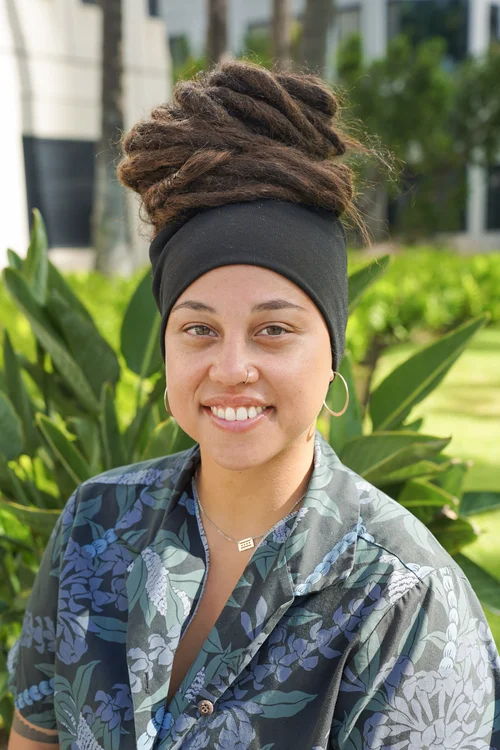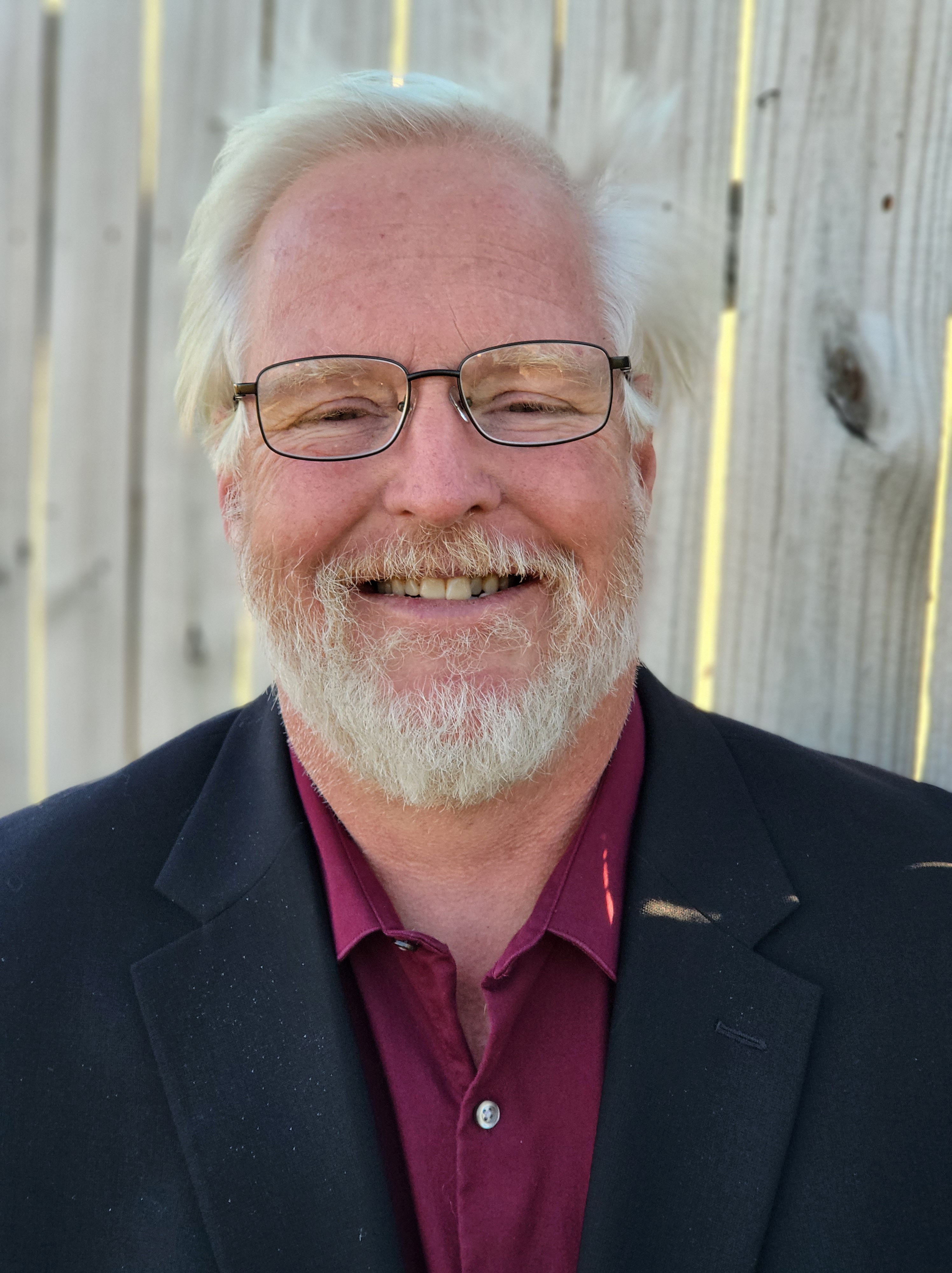
Current Role: Graduate Research Assistant, Southern University and A&M College – Baton Rouge, Louisiana
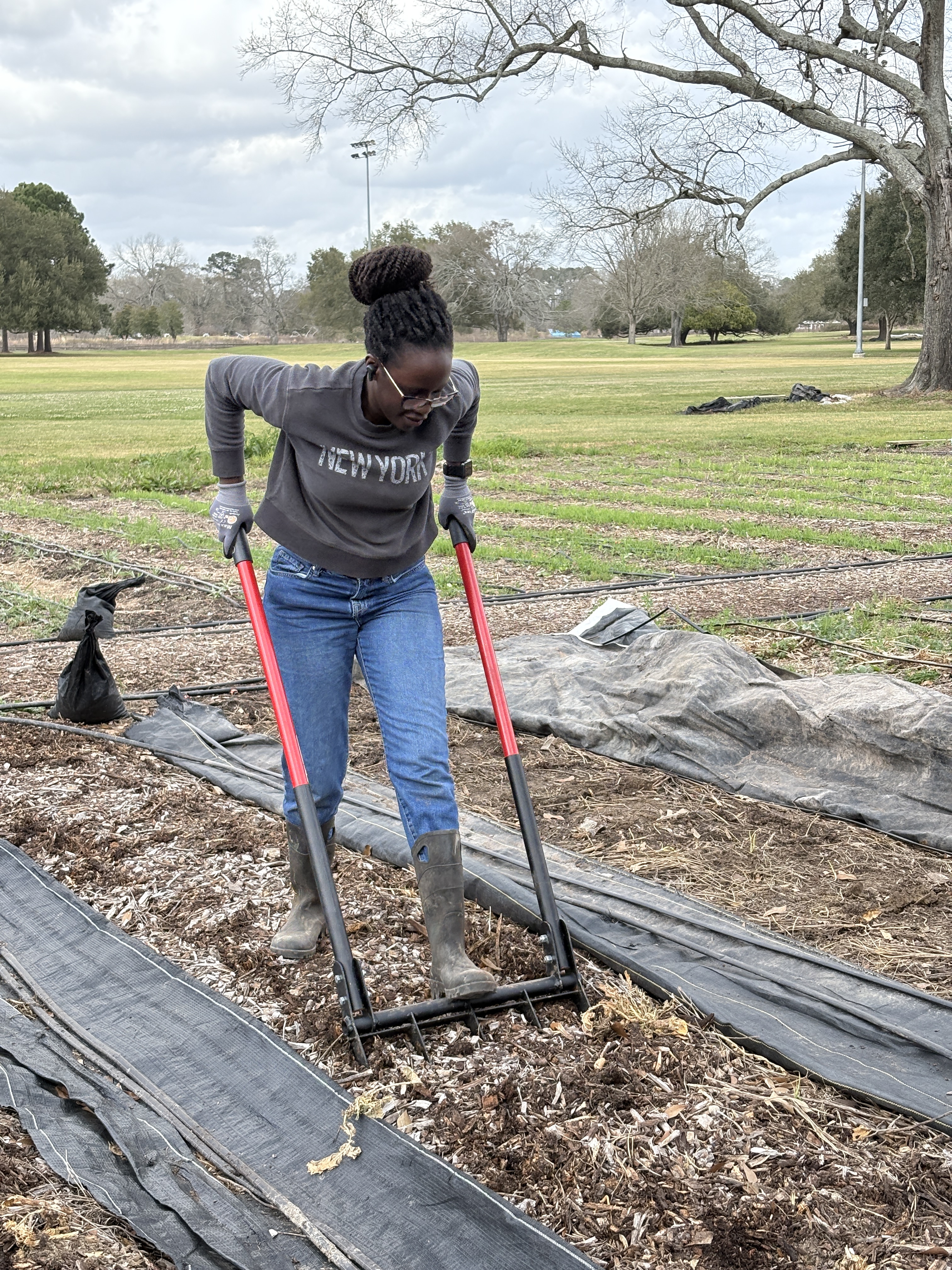
What’s your favorite food?
Jollof rice and grilled chicken
What do you enjoy about your work?
What I enjoy most is using GIS, remote sensing, and data analysis to examine real-world issues involving urban forestry, agroforestry, food access, and environmental justice. I value collaborating with researchers and community organizations to develop evidence-based solutions that contribute to healthier, more sustainable, and more equitable communities.
What do you find challenging about your work?
Balancing data collection, analysis, academic writing, teaching, and project deadlines while navigating limited data and translating technical findings into practical recommendations. These challenges have strengthened my patience, adaptability, project-management skills, and ability to approach problems creatively.
What areas of the food system do you encounter or focus on in your work? Where does food fit in with the rest of the work that you do?
My work focuses on food production, food access, environmental sustainability, and equity through research on urban agroforestry and the use of GIS and remote sensing to examine agricultural landscapes, food resources, and underserved neighborhoods. Food connects my broader work in urban forestry, climate resilience, and environmental justice by helping me understand how planning and environmental decisions influence who can grow, access, and benefit from healthy food.
Do you consider yourself a food systems planner? Why or why not?
Yes, I consider myself a food systems planner because my background in Geography and Regional Planning, combined with my doctoral studies in urban forestry, allows me to examine how land use, infrastructure, policy, and environmental conditions shape food production and access. I use GIS and remote sensing to identify underserved neighborhoods, assess agricultural landscapes, and explore how urban agroforestry can support more sustainable, equitable, and resilient food systems..
What is the biggest food systems planning-related hurdle your community faced in recent years and how was it dealt with?
One of Baton Rouge’s greatest food systems planning challenges is unequal access to affordable, nutritious food, particularly in neighborhoods affected by limited grocery options, inadequate transportation, poverty, disinvestment, and environmental injustice. In response, partnerships among residents, researchers, agencies, farmers, and organizations such as Baton Roots and the Walls Green Project have supported urban agriculture, community gardens, fruit-tree planting, food education, and GIS-based planning to direct resources toward communities with the greatest needs.
What makes you successful in your work? What skills do you use the most in your food systems planning-related work?
My curiosity, persistence, adaptability, and commitment to community-centered research, combined with my skills in GIS, remote sensing, data analysis, communication, and collaboration, allow me to connect technical evidence with lived experiences and develop practical food systems planning solutions.
Who has had the most influence on you as a planner? As a food systems planner?
My doctoral advisor, Professor Yaw A. Twumasi, along with the farmers and community practitioners I have encountered in Ghana and Louisiana, has influenced me most by teaching me to combine technical evidence with lived experience, genuine engagement, and locally informed solutions.
What do you wish you would have known before going to planning school?
Before studying Geography and Regional Planning, I wish I had known that meaningful food systems planning depends as much on community trust, lived experience, collaboration, and local context as it does on maps, policies, and technical analysis.
How has your perception of food systems planning changed since you first entered the planning field?
My perception of food systems planning has expanded from focusing mainly on agricultural production and food availability to recognizing it as an environmental and social justice practice shaped by affordability, transportation, culture, policy, historical investment, and community knowledge.
Do you have any advice for someone entering the food systems planning field?
My advice is to remain curious and flexible, build strong technical and interdisciplinary skills, seek practical experience and mentorship, and listen closely to communities because meaningful food systems planning requires both reliable evidence and an understanding of people’s lived experiences.