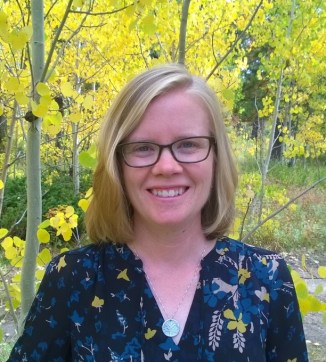
Faces of Food Systems Planning: Erin Hardie Hale

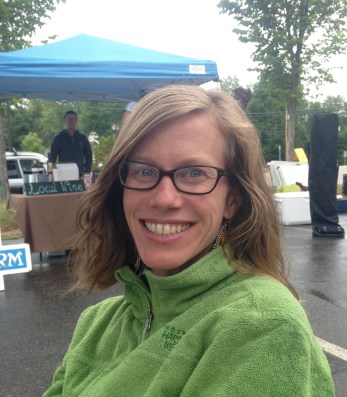
ErinHardieHale_headshotErin Hardie Hale is a Research Associate at University of New Hampshire, which coordinates the NH Food Alliance that is developing a statewide food systems strategy, which is connected to the broader New England Food Vision.
This interview was conducted via email and phone by Erica Campbell of the Vermont Farm to Plate Network, and member of the APA-FIG Leadership Team.

What is your current position, and how does your organization engage in food system planning efforts? I am a Research Associate at the NH Food Alliance. The NH Food Alliance aims to be an informed, connected, and active food systems network. We are developing a statewide food systems strategy, which is connected to the broader New England Food Vision. We convene working groups, regional and statewide gatherings, and other opportunities for participants to build relationships that add value to their work. We communicate and share information and resources about the NH food system with the network and general public regularly and in multiple ways. We also collaborate to implement, monitor, and adapt the action priorities identified by network participants.

How long have you held this position? Since 2013

What do you enjoy about your work? I find working in food systems exciting, because figuring out how to feed ourselves is at the core of so many critical issues, including environmental sustainability, social justice, community health, and economic viability.

I also find that people who work in the food system – from producers and entrepreneurs to food access advocates and policymakers – are passionate about what they do. The NH Food Alliance is all about encouraging collaboration in the food system and I love working with and learning from people who love what they do!

Similarly, what do you find challenging about your work? The complexity of the food system means there’s no one way to address challenges that will satisfy everyone, and finding common ground takes time, trust, and relationship building. There is a constant tension in our network between what many people see as the time intensive work of collaborative planning and building relationships and the need to take action or “do something” concrete.

What areas of the food system do you focus on in your work? The NH Food Alliance connects individuals, organizations, and businesses across the food system so people in sectors that don’t traditionally collaborate can learn from each other and work together toward shared goals. Our first initiative, the Farm, Fish, and Food Enterprise Viability Initiative, is the result of over two years of building our network, listening to hundreds of NH residents, and synthesizing dozens of reports. The common thread emerging from this work is that thriving local businesses are at the heart of our food system and can create cascading benefits for us all. Because we approach viability from a food systems perspective, our goals and approaches go beyond improving the bottom lines for individual entrepreneurs. Instead, we’re looking to create the conditions that support thriving businesses through education, market development, improved food access, and land and sea resource protection.

In the work that you perform, where does addressing food systems issues fit in? How has this changed over time? Everything we do addresses food system issues!

Do you consider yourself a food systems planner? Why or why not? Not by training! I have a PhD in agriculture and science education from UC Davis with a focus on coalition building and collaborative learning and research between farmers and conservation groups in California’s Central Valley. I also have a master’s degree from UC Davis in International Agricultural Development, have worked on farms in Oregon and NH, and have extensive experience in agricultural training and education, working with farmers, farmworkers, and rural communities around the globe, from California and Kenya to Bolivia and Egypt.

What is the biggest food systems planning-related hurdle your organization faced in recent years and how was it dealt with? As I mentioned before, building trust between stakeholders with different perspectives has been a big challenge. There was some skepticism early on about why the UNH Sustainability Institute was taking the lead to coordinate the network building and planning process and so it was difficult at first to get all of the key stakeholders and leaders in the room talking with us. We worked hard to distribute leadership across different groups, make strategic connections, and be very transparent about our process. We also chose to focus our first initiative on viability, in part, because it was an issue that groups across the food system could unite behind.

Who has had the most influence on you as a planner? As a food systems planner? I learned everything I know on the job. Curtis Ogden, our process facilitator, and his organization, the Interaction Institute for Social Change, had a profound impact on the way we approached our network building and planning effort. We’ve also had a very supportive group of other state planners in New England that meets in a monthly Community of Practice call hosted by VT Farm to Plate coordinators, so we were able to learn from other states like Vermont, Maine and Rhode Island that were ahead of us in the process or doing things differently.   Food Solutions New England has also provided an important regional framework and avenue for thinking about planning beyond state borders.

Do you have any advice for someone entering the food systems planning field? What makes you successful in your work? What skills do you use the most in your food systems planning related work? I don’t think that we necessarily need new technologies or scientific research to tell us how to grow healthy food and get it to everyone who needs it in an ethical and responsible way. What we really need to know how to do is share ideas and learn from each other. People are making it work in small and big ways all over the region; learning about what works in one place and adapting it for another and supporting that innovation and collaboration is a driving force of the NH Food Alliance.

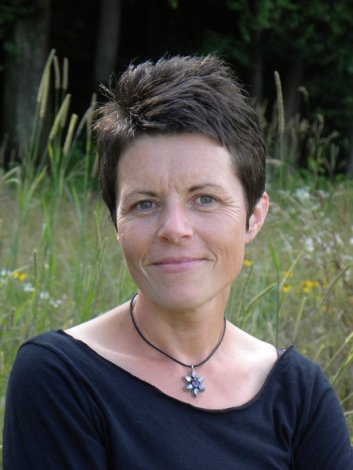
Faces of Food Systems Planning: Mary Chicoine Praus

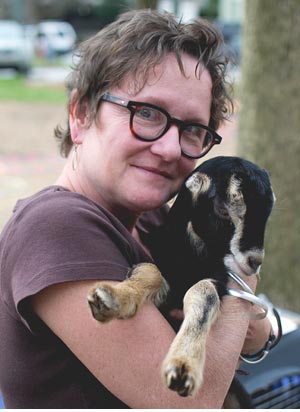
Mary Chicoine Praus head shotMary Chicoine Praus is a Land Use Planner at Franklin Regional Council of Governments in Greenfield, Massachusetts. The organization is the co-author of the Massachusetts Local Food Action Plan and has undertaken various regional food system planning efforts.
This interview was conducted via email by Erica Campbell of the Vermont Farm to Plate Network, and member of the APA-FIG Leadership Team.

What is your current position (include your title and name of organization)? I am a Land Use Planner at the Franklin Regional Council of Governments, the regional planning agency for Franklin County. Our agency is located in Greenfield, Massachusetts.

How long have you held this position? Five and a half years

What do you enjoy about your work? I like being able to focus on several areas of interest, including farm and food system planning, green infrastructure and urban trees.

Similarly, what do you find challenging about your work? I find it challenging to have many projects at one time and to have enough time to devote to them all, especially those as complex and intricate as our food system.

What areas of the food system do you focus on in your work? I’ve focused on several areas: statewide comprehensive food system planning, regional farm and food planning for Franklin County with a focus on land and food access, and community food assessments for individual towns. We’ve completed the Franklin County Farm and Food System Project, focused on increased food access and food production, and co-authored the Massachusetts Local Food Action Plan.

In the work that you perform, where does addressing food systems issues fit in? How has this changed over time? Food system planning per se was not a stated focus of our agency five years ago. Now we are regularly working on food system related projects at several scales. Even if the primary goal of a planning project is not related to the food system, my colleagues and I are often thinking about the food system when we are working on open space plans, master plans, or transportation planning. I think there is more focus on social equity and food access, and more awareness of the need for access to affordable farmland, which permeates many areas of planning at the FRCOG.

Do you consider yourself a food systems planner? Although my official title is Land Use Planner, I do also think of myself as a food system planner.

What is the biggest food systems planning-related hurdle your community faced in recent years and how was it dealt with? I think funding is one of the biggest hurdles both for our organization and for many organizations and businesses in our region. After successfully obtaining funding for a couple of significant food system projects at the FRCOG, it has become more difficult to find funding. It has also become more competitive over time, especially for food system planning projects.

Do you have any advice for someone entering the food systems planning field? Ground your planning work in the real world – and do your homework to understand what work has already been done before hand. Be respectful of farmers and food processors – value their time and their real world experience. Don’t ask farmers and food processors to participate in your project unless there is real value to them for doing so.

What makes you successful in your work? What skills do you use the most in your food systems planning related work? I think being respectful of those already doing the work in the food system helps me to be more effective. The day-to-day skills I use the most are conducting research, analysis, and GIS mapping, creating graphics and infographics, and doing outreach to farmers and others in the food system community.

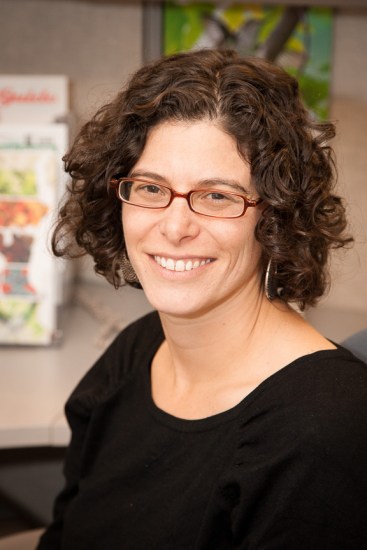
Faces of Food Systems Planning: Sharon Lerman

20130620_OSE_Lerman_web 2

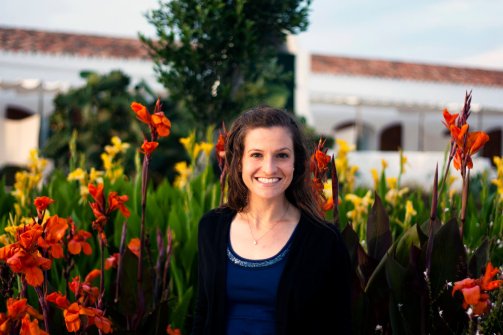
Sharon Lerman is the Food Policy Advisor for the City of Seattle. Based out of the City’s Office of Sustainability and Environment, Sharon provides policy direction and strategic advice to increase options for access to healthy and affordable food for Seattle’s residents. Sharon was interviewed on July 7, 2016 by Andrea Petzel.

What do you enjoy about your work? Food systems planning is still a young field, and there is so much to learn from other disciplines about how we approach our work. I enjoy working with smart people across disciplines and learning from the decades of experience in their fields. There are so many translatable lessons from the history of housing policy, community development, economic development, land use planning, and others. I also love working for local government – knowing that the reason I go to work every day to make Seattle a better place for people who live here.

What do you find challenging about your work? Food systems planning is complex, and often there isn’t a single solution to all the challenges we’re wrestling with. It’s sometimes difficult to set one priority aside to really focus on another, but I believe we sometimes need to do that. Ultimately, it’s a suite of activities, policies, and initiatives that are needed to build the just and sustainable food system that we’re working towards.

Where does addressing food systems issues fit in for your work with the City of Seattle?  All of my work is about food systems, and I get to address it from many angles. Sometimes I’m focusing more on human services aspects, sometimes on supporting small businesses, and other times on farmland preservation. I work with many folks in city government, and some of our best food systems champions are in positions that aren’t titled “food” people, but they bring a food lens to their work and are able to help make sure food is considered across the work of city departments.

 What areas of the food system do you focus on in your work? My work as food policy advisor is greatly informed, and influenced by Seattle’s Race and Social Justice Initiative. This has led to a strong focus on food access and affordability, which were top concerns raised by the community during the development of Seattle’s Food Action Plan. Seattle is becoming increasingly unaffordable for low-income people and other vulnerable populations, healthy food is one of the first things to go when people struggle financially. So while my work also includes supporting our local food economy, food waste prevention, and local food production, healthy food affordability has been a prominent focus.

How did you become a food systems planner? My interest in food policy started as an undergraduate with an interest in hunger in the developing world. Understanding the role that political, distribution, economic, and power systems played in solving – and also creating – hunger, I wanted to understand how these same systems worked locally. I worked for community-based organizations for a number of years, and eventually pursued a joint master’s degree in City and Regional Planning and Public Health at the University of California Berkley, focusing on health equity.

What do you wish you would have known before going to planning school? During planning school, I pursued internships and hands-on projects with many different organizations. I found it impactful to apply the concepts that I was learning on the ground, and also to get a feel for different types of agencies and organizations. I’d encourage students to seek out different types of stakeholders to work with. Understanding their priorities and what drives them will also help you to better identify your own priorities and what really drives you, as you embark on your career.

Faces of Food Systems Planning: Mary Yetter


Mary_Yetter

Image Source: Piedmont Park Conservancy


Mary Yetter is a Program Coordinator at the Piedmont Park Conservancy in Atlanta, GA where she manages the Piedmont Park Green Market. In her unpaid work, she is also a small-scale grower/farmer and dedicates herself to increasing access to local food.

This interview was conducted via phone by Erin Thoresen, a member of the APA-FIG Communications & Outreach Working Group on July 8, 2016. The following responses have been edited. 

What is your first and last name? Mary Yetter

What is your current position? Program Coordinator, Piedmont Park Conservancy

How long have you held this position? 2.5 years

What do you enjoy about your work? The flexibility to do what I want.

Similarly, what do you find challenging about your work? I find the lack of interest by my organization in what I do challenging. There is a general apathy in the organization.

What areas of the food system do you focus on in your work? In my work I focus on farmers markets, going from the farm to the market, and promotion to get people to purchase. Local food. In my unpaid work, I farm. I am in small-scale production.

In the work that you perform, where does addressing food systems issues fit in? How has this changed over time? Hoping to effect change to bring smaller scale availability and local availability to the population. We’re working to get fresh – I don’t like to say that – just-picked food to people. Before I even did this position, it was really different here. Coming to Atlanta was eye-opening – the lack of access, lack of availability, lack of awareness. Atlanta ranks low in that area. Now there are a more markets – we’ve probably reached saturation even. But there’s not enough promotion to make them successful. There is change [happening], but I just don’t think that the change and the promotion are working hand-in-hand. It’s getting there, but progress is slow.

Do you consider yourself a food systems planner? Why or why not? Well, in a broad sense, yes. I have a public health background. I approach everything from public health perspective. I work with small-scale farmers and growers. I also work with [the organization] Community Farmers Markets a lot. So I think yeah, it’s part of that system. Part of what I do is work in my own local community to create access, to connect people with food. When I got here, there was nothing in terms of fresh-picked or local. It was – I hate this term, but it was a food desert. Now that is starting to change.

What is the biggest food systems planning-related hurdle your community/ organization faced in recent years and how was it dealt with? Actually we’ve been planning and developing an urban farm, but it hasn’t taken off due to a lack of buy-in and lack of funding available. I think there’s still a long way to go in terms of financing and buy in for these types of things. It’s a barrier. I see this across Atlanta in general. They [the City] hired a sustainable urban agriculture guy, but he’s not even a grower. He’s a landscape architect who is well versed in City ways. It looks good, but I see it as superficial action with no real change. It’s going to take a group of more grassroots people to call people to task.

Do you think that group exists already? The grassroots group to make that change happen? For small farmers, they’re so busy they don’t have time. Plus they’re wary of crossing the City. It’s going to take time.

How has your perception of food systems planning changed since you first entered the field? I was working on an international perspective, but here I’ve gotten more involved in trying to push and work with smaller farmers to empower them. Helping with land acquisition, financing, and support them. It’s not organized but in small circles of folks I work with. The Southern Sustainable Agriculture Working Group is great. They put on a great conference.

Who has had the most influence on you as a food systems planner? Not one person specifically, but I work with farms and partner with them. I work with a couple of older farmers who take on younger farmers to teach and mentor them – since I don’t have my own land. They teach seed, soil, working with tractors. They’re very generous with their energy. I also admire Crack in the Sidewalk farm – they are true-blue in terms of trying to change, to create access where it doesn’t exist, promoting small scale urban ag. They follow sustainable practices,

Do you have any advice for someone entering the food systems planning field? What makes you successful in your work? What skills do you use the most in your food systems planning related work? I’m an action-oriented person. Going to meetings is fine, but if you don’t do something, then it doesn’t matter. Doing something in the physical sense. Physical skills are essential. Problem solving and mediation – that’s what I really do. Sometimes it’s like being a psychologist.

What do you wish you would have known before going to planning school? How much I like farming and food systems. I would have redirected into a different area.

Faces of Food Systems Planning: Amy Verbofsky

Verbofsky Photo.jpg

Amy Verbofsky is a planner working at the Office of Environmental Planning at the Delaware Valley Regional Planning Commission in Philadelphia, Pennsylvania.

Laura An, a planning intern at the Delaware Valley Regional Planning Commission and a graduate student of planning at the University of Pennsylvania, conducted this interview in October 2015.

What is your first and last name? Amy Verbofsky

What is your current position? Planner in the Office of Environmental Planning at the Delaware Valley Regional Planning Commission (DVRPC)

How long have you held this position? I’ve been in my current position since January 2015, 10 months. But I started at DVRPC as a food systems planning intern 3 years ago.

What do you enjoy about your work? There are always a lot of different things to work on; it’s a very broad topic and involves everything from economics and building the food economy to farmland preservation, and food access. There are lots of ways to get involved.

Similarly, what do you find challenging about your work? You’re always learning as you’re going. I didn’t study food systems in school, but it’s more learning on the job, things like farmland preservation or financing food businesses.

What areas of the food system do you focus on in your work, and where does that fit in with the rest of the work that you do? Whatever stakeholders want you to focus on. For the last three years, I have worked on a Food Economy Strategy (increasing food access, building economic opportunities through food) for Camden, NJ. A recent project is a Food Promotion Survey for Montgomery County, PA. There are lots of different people in the food systems community and with lots of different interests.

Do you consider yourself a food systems planner? Why or why not? Yes, but I don’t typically introduce myself that way. It depends on my role in a given project because food systems are only a part of the overall work that I undertake at DVRPC.

What is the biggest food systems planning-related hurdle your community/organization faced in recent years and how was it dealt with? Planning can be slow, and often times the area or community you’re working with is changing rapidly. We need to make sure our work is always current and relevant to what’s happening in the community. For example, Camden City is changing significantly in just the past 3 years as several large corporations have announced relocating to take advantage of state tax incentives. The challenges that everyday people face haven’t really changed but the players who are involved in addressing those issues have changed, and therefore have also changed what growth looks like. It’s also difficult when you’re doing long-term work to keep stakeholders engaged over a long period and to ensure that your plan is eventually implemented over time.

Did you know you wanted to go into food systems when you first started that work? In graduate school, I focused on Community and Economic Development. I saw food systems as a way to address community/economic development issues from an equity/poverty perspective. Food systems came along with the internship and job opportunity with DVRPC. It is one way to address the problems I am interested in.

How has your perception of food systems planning changed since you first entered the planning field? Learning just how broad food systems is, particularly that the problems are not just in distressed and low income communities but are also in rural areas. Food systems also incorporates broader topics, not just food access, but everything important to all the different players in food systems. Regional planning helps me see a lot of different perspectives, in different types of communities.

Who has had the most influence on you as a planner? As a food systems planner? In terms of food systems, definitely Alison Hastings, currently DVRPC’s Manager of the Office of Communications and Engagement. From working with her in the past 3 years, watching her and learning how to run meetings, soaking in knowledge. Alison helped me find a niche and supported my career growth. She also transferred a lot of her food systems planning work and knowledge over to me.

Another influence is Samantha Phillips (Director of the City of Philadelphia’s Office of Emergency Management), gave me my first real job before grad school, inspired me to take on more responsibility and bring passion to work in public service. She’s a strong young female leader in government.

And last but not least, Amy Hillier, a professor at University of Pennsylvania who has a dual faculty appointment between the Department of City and Regional Planning and the School of Social Policy & Practice. She has a passion for Philadelphia and for similar issues.

Do you have any advice for someone entering the food systems planning field? What makes you successful in your work? What skills do you use the most in your food systems planning-related work? Be open to opportunities. There are lots of ways to do food systems planning, and many ways to address all these issues in the food system. It’s helpful to also know how to work with others, building relationships, and finding partners. It’s a small community within food systems so it’s imperative to maintain good relationships.

The skills I use most are: writing, case study research, and meeting facilitation.

What do you wish you would have known before going to planning school? Use grad school as a time to make connections, and get experiences like internships. The most valuable things I took away were not necessarily the hard skills, but the opportunity to intern at DVRPC. Being a grad student also gives you the opportunity to network and the opportunity to explore the field.


Faces of Food Systems Planning is a series of interviews with practicing planners from across North America who are engaging in food systems planning and policy work. This series is part of APA-FIG’s efforts to highlight food systems planning as an important planning topic. Click here for more information.

Faces of Food Systems Planning: Laura Raymond

LR head shot 1Laura Raymond is a Commerce Specialist in Small Farm Direct Marketing at the Washington State Department of Agriculture.

Andrea Petzel, member of the APA-FIG Leadership Committee, conducted this interview in October 2015. The following responses have been edited.

What is your current position (include your title and name of organization)? I currently work in a position funded by a federal Specialty Crop Block Grant and my role is to help small and direct marketing farms extend their markets within Washington State’s local and regional food system. These are farms that are selling direct to consumers and more directly to retailers or food services. Our state is unusual because we have so many small and mid-sized farms that grow specialty produce crops and 95% of farms in Washington State are considered small farms

Through extensive outreach I provide farmers with technical assistance to help navigate regulations and permits, and I help them develop marketing strategies and basic best practices for their businesses. There are so many levels of jurisdiction that intersect with growing and selling food, and we help make it easy for farmers to understand.

What do you enjoy about your work? Working with farmers and learning about their particular farms, businesses, and how they’re making it work. There’s so much diversity in people, places and crops, and farmers are really committed; it’s not the easiest place to make it work and they do it because they love it and that’s really inspiring. I also really enjoy being part of re-creating a viable regional food economy.

What do you find challenging about your work? There aren’t always easy solutions and there’s so much regulation, with good reason. But it can be difficult in the moment, when helping a farmer who is doing important, hard work, to remember there’s a good reason for a particular rule. Also, over the last 60 years agriculture and food systems have really been evolved towards to be large scale, industrially-modeled, and globally-oriented. But now there’s growing consumer interest for fresh, healthy food and this means more opportunity for small local farms. In our state increasing numbers of young people are bucking long term trends and are getting into farming. It’s exciting that people think farming is a good way to make their livelihood, and local governments are starting to pay attention and trying to be creative about creating and keeping a vibrant local farming scene.

Do you consider yourself a food systems planner? Why or why not? No – I’m not sure who the food systems planners really are! Food systems are so vast and interconnected, and are really are about the overlap of food, health, culture, transportation, and land use. Good policy needs input from all those sectors.

Do you have any advice for someone entering the food systems field? Find the thing you really care about and work on it. Find what you can do, connect with other people and do it! There are so many fields that interconnect with food; you can be a graphic designer and work in food systems!


Faces of Food Systems Planning is a series of interviews with practicing planners from across North America who are engaging in food systems planning and policy work. This series is part of APA-FIG’s efforts to highlight food systems planning as an important planning topic. Click here for more information.

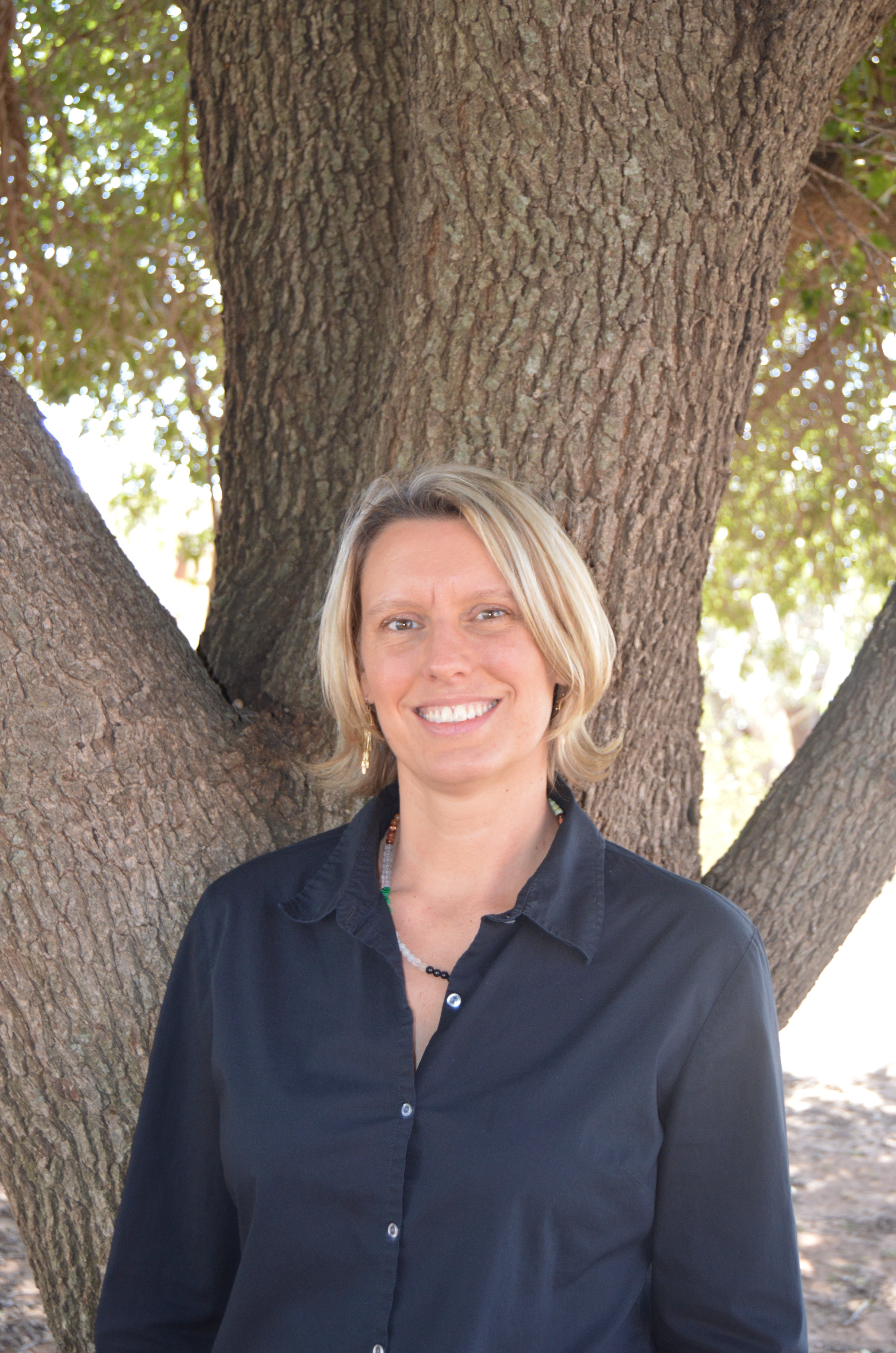
Faces of Food Systems Planning: Dean Severson

Severson.jpg.JPGDean Severson is Principal Agricultural and Rural Planning Analyst for Lancaster County Planning Commission in Lancaster County, Pennsylvania.
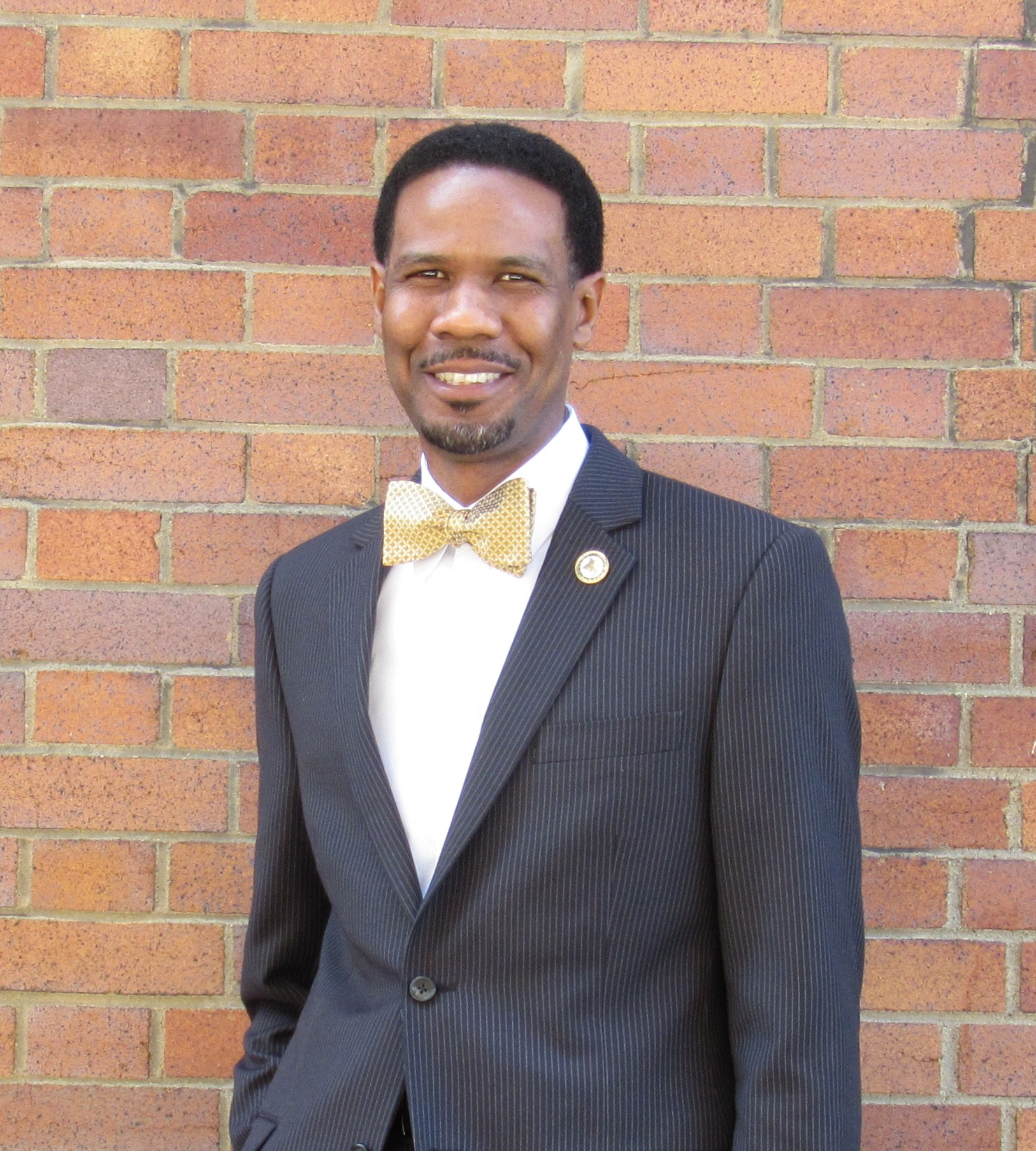
Laura An, a planning intern at the Delaware Valley Regional Planning Commission and a graduate student of planning at the University of Pennsylvania, conducted this interview in October 2015.

What is your first and last name? Dean Severson

What is your current position? Principal, Agricultural and Rural planning analyst, Lancaster County Planning Commission in Pennsylvania

How long have you held this position? 17 years.

What do you enjoy about your work? I like working one-on-one with municipalities.

Similarly, what do you find challenging about your work? Because Pennsylvania is a home-rule state, the county does not implement many plans. It can be frustrating because the planning commission can only advise and recommend, but municipalities, and specifically local officials are responsible for implementation. My priorities or interests aren’t necessarily local officials priorities and interests.

What areas of the food system do you focus on in your work, and where does that fit in with the rest of the work that you do? I focus mainly on traditional land use planning, rural areas, agriculture, and tangentially food systems planning. My primary focus is on agriculture as land use, and then secondly as an economic development issue. I work with municipalities to coordinate their land use planning decisions, help limit amount of development, and direct it to appropriate places, so that agriculture can thrive with little or no interference.

It’s interesting that in my experience, a lot of local planning boards in rural areas are made up of farmers or other people who have some relationship to agriculture or working in the food industry (such as dairy).

Do you consider yourself a food systems planner? Why or why not? No, because that’s too narrow. As a land use/community planner, I look at a variety of issues. I don’t really specialize on food system planning, but food systems are definitely a component of land use planning.

What is the biggest food systems planning-related hurdle your community/organization faced in recent years and how was it dealt with? Making sure there are connections between agricultural areas and market areas in urban areas and other smaller communities in Lancaster County. Most of Lancaster’s food production is exported out of the county for further value-added processing. But lately I have noticed growth in smaller-scale more direct-to-consumer production. The challenge is making sure there’s an atmosphere where small producers can thrive when competing with large farms for land, provide marketing opportunities for them to get product into local hands. Zoning regulations and farmland programs are more designed for larger farms; we haven’t made the transition to better accommodate or serve smaller farms yet.

How has your perception of food systems planning changed since you first entered the planning field? It’s broadened, seeing all different components of it. First food system planning seemed to be narrowly focused or defined (a food desert). But now I see the big picture – that it encompasses everything in from production to consumer. What’s the planner’s role in that? Making sure there are opportunities for small producers to enter into the market; transportation/infrastructure connections to make sure product can make its way to consumers. We need to look at the importance of agriculture in economic development efforts. And we need to also consider niche agriculture (smaller scale), because those producers have specific needs.

Who has had the most influence on you as a planner? As a food systems planner? Not any one person, but municipal officials who helped put things in perspective. Planners can think that planning issues are most important, but we are probably further down on the list – there are lots of other things that occupy municipal officials’ time and energy. Also – Farmers.

Do you have any advice for someone entering the food systems planning field? What makes you successful in your work? What skills do you use the most in your food systems planning-related work? Look at the entire spectrum from production to consumption- a failure of a lot of planners is to focus on just the consumption end of food systems. True, we must be aware of the needs of consumers. But we also must determine what limits or prevents producers from expanding their businesses and bringing their products to the market.

I use the same skills for food system planning as I do for land use planning in general: listening with an open mind to hear new ideas.

What do you wish you would have known before going to planning school? Planning school doesn’t always prepare you for the day-to-day things. It often promotes this idea that you’ll be creating a grand master plan and that everyone will immediately get on board with it, but the reality is a lot of progress is made incrementally and much rests on developing a working relationship with your planning clients or local officials, and then eventually being able to accomplish things jointly with them over time.


Faces of Food Systems Planning is a series of interviews with practicing planners from across North America who are engaging in food systems planning and policy work. This series is part of APA-FIG’s efforts to highlight food systems planning as an important planning topic. Click here for more information.

Faces of Food Systems Planning: Monica Wilkinson

Monica Wilkinson_pic 10-2015Monica Wilkinson is the Community Development Director for the City of Vernon, Texas. She has held this position for 10 years. She is also an active member of the APA-FIG Policy Working Group.

Erica Campbell, member of the APA-FIG Leadership Committee and Coordinator of the APA-FIG Policy Working Group, conducted this interview in October 2015.

What do you enjoy about your work? I enjoy working with members of the community on collaborative projects such as park improvement, community-based planning, downtown revitalization, etc..  Working with the public can be exhausting but is at the core of why I chose a career in local government.  What I do makes a difference, which is fulfilling.

Similarly, what do you find challenging about your work? Right now my workload is a challenge.  I manage code enforcement, building services, planning & development, GIS, grant writing/management, animal control, and recently tourism and our main street program with one staff member and myself.  It’s a chore to keep up with it all much less to be competent and comprehensive in all facets of the job.

What areas of the food system do you focus on in your work? I was part of a citizen group that started our local farmers market so I work with that in the spring and summer quite a bit.  We coordinate with our local WIC office, meals on wheels, senior center, regional food bank and local food pantries.  I would love to conduct a food system plan for our area but haven’t been able to do so yet.

In the work that you perform, where does addressing food systems issues fit in? How has this changed over time? It’s not in my job description but it is a priority of mine.  I would say it is my responsibility as the city planner.  Vernon is a rural community and honestly, there hasn’t been much demand or support for food system planning….much less an understanding of why it’s important.

Do you consider yourself a food systems planner? Why or why not? Not specifically.  I have all the right training, background and experience to be one….just not the right location!  Food system planning alone is way too specific a title/position for a town of 11,000 – at least in rural Texas!

What is the biggest food systems planning-related hurdle your community/organization faced in recent years and how was it dealt with? The lack of understanding on the importance of food system planning and the unwillingness to devote funding for such an activity.  It’s really done in bits and pieces here…not collectively by way of a plan.  When I say in pieces, there are many people and organizations that contribute to improving health and food access/security in our community but no one concerted effort to plan for such in our community.  I think if our economic development people could ever understand that there is opportunity for job employment and business growth via a concerted effort on food system planning, etc. in our community, things might change.

How has your perception of food systems planning changed since you first entered the planning field? Ten years ago it wasn’t on my radar.  I have a PhD in political ecology and a background in agricultural development and cultural anthropology.  My dissertation addressed social implications of genetically engineered cotton in Texas.  I was, and continue to be, an advocate for sustainable agriculture but honestly I had no idea food system planning as a field of specialization existed until a few years ago.  It started coming together for me a few years ago as I became more interested in nutrition.  I’m a local Weston A. Price chapter leader and currently studying to become a nutritional therapy practitioner.  Maybe my interests  have just changed and I sought it out with more fervor.  Realistically, I don’t thing food system planning was a popular subset of planning until 5 or so years ago.  I could be wrong but I get that impression.

Who has had the most influence on you as a planner? As a food systems planner? Hmmmm…I love the work of Randall Arendt but I don’t think he is considered a food systems planner.  Since I don’t have a degree in planning per se and came to this (profession) in around about way, I’m not familiar with the key food system planners.  I will say that Arnendt’s work helped me start thinking about how our environment and the layout of our living spaces plays into our health and thus, the enjoyment and fulfillment we feel in life.  A century ago, the majority of people lived on the land and from the land.  Today we are so disconnected from what sustains us.  It’s hard to achieve health when so far removed.

Do you have any advice for someone entering the food systems planning field? What makes you successful in your work? What skills do you use the most in your food systems planning related work? I would love to work more directly in the field of food system planning but that is not an option for me here…at least not at the moment.  Food system planning is a very small part of what I do every day.  It seems like most of the opportunities to work in this field are in urban areas where there are the resources and need to be more specialized.  But I think food system planning is especially important in rural areas and I would encourage anyone interested in working in this field to look broadly at planning and community development positions in rural areas.  There are a lot of opportunities to do good work which is both satisfying and significant in small communities.  You can see results quickly and witness daily the positive effects of change in your community.

What do you wish you would have known before going to planning school? I wish I would have gone to planning school!  I guess it’s never too late!   Actually, I don’t think it is necessary to be formally trained as a planner to work in food systems planning.  The field lends itself to diversity as it is a conglomeration of so many areas of study, i.e. ecology, transportation, planning, nutrition, GIS, community health, parks and recreation, economic development and even tourism to name but a few.


Faces of Food Systems Planning is a series of interviews with practicing planners from across North America who are engaging in food systems planning and policy work. This series is part of APA-FIG’s efforts to highlight food systems planning as an important planning topic. Click here for more information.

Faces of Food Systems Planning: Brian Hurd

Brian Hurd - Rise Pic 1Brian Hurd is the Technical Assistance Program Manager for Rise Community Development, Inc. in St. Louis, Missouri. He is also an active member of the APA-FIG Communications and Outreach Working Group.

Andrea Petzel, member of the APA-FIG Leadership Committee, conducted this interview in October 2015. The following responses have been edited.

Do you consider yourself a food systems planner? I do not consider myself a food systems planner but rather I consider myself a housing and community development planner that connects the community development system to improving food access in low/moderate income communities and addressing barriers to food security and healthy eating.

What areas of the food system do you focus on in your work? My focus is looking at how the entire value chain can support and benefit urban core areas from urban agriculture production to consumption.

What is the biggest food systems planning-related hurdle your community/organization faced in recent years and how was it dealt with? We develop affordable and market-rate housing and help rebuild urban core neighborhoods with an economic mix, often in neighborhoods where there has not been a market of opportunity for some time. We are looking at ways to overcome barriers to healthy food access by supporting alternative channels for food distribution such as co-ops, farmers markets, CSA programs, etc.

Who has had the most influence on you as a planner? As a food systems planner? As a planner, I’ve been influenced by Wayne Oldroyd, Director of Planning and Community Development for the City of Maryland Heights, Missouri. For the concentration of food systems planning, I have not identified a specific planner who has influenced me. My influence comes more for trying to improve the health of African-American and other minority communities. Advocacy and social justice issues are what influence me most.

Do you have any advice for someone entering the food systems planning field? What skills make you successful as a planner? My advice is work to create social equity in food systems in ways that benefit all from the rural farmer to the urban farmer and urban consumer. I believe what makes me successful in my work is that I am seen by many as a community developer, an intermediary that brings the regional community development system together. The skills I use most are market data analyses and translating information in a way that is meaningful through community engagement of diverse groups of people where it is simplified and makes sense on the neighborhood level.

What do you wish you would have known before going to planning school? I received my Masters in Community Regional Planning from Iowa State University in Ames, Iowa. I wish I has known about the subject of food systems planning, I never thought of food access as a traditional social justice issue.


Faces of Food Systems Planning is a series of interviews with practicing planners from across North America who are engaging in food systems planning and policy work. This series is part of APA-FIG’s efforts to highlight food systems planning as an important planning topic. Click here for more information.

Faces of Food Systems Planning: Wendy Peters Moschetti

Wendy Moschetti.jpgWendy Peters Moschetti is the Director of Food Systems for LiveWell Colorado, where she leads the development and implementation of LiveWell Colorado’s strategies related to food systems, food access and food promotion. Prior to working for LiveWell Colorado, Wendy had her own consulting firm, WPM Consulting, and collaborated with many organizations—including LiveWell Colorado, LiveWell communities across the state, Colorado State University, Rocky Mountain Farmers Union, Hunger Free Colorado, and the Colorado Department of Public Health and Environment—to work on a variety of projects aimed at leveraging our food systems to improve equitable access to healthy foods.

This interview was conducted by Laine Cidlowski on October 14, 2015 via telephone and edited by Kimberley Hodgson.

What is your first and last name? Wendy Peters Moschetti

What is your current position? Director of Food Systems, LiveWell Colorado, since July 2005 and former food policy consultant for over six years

What do you enjoy about your work? I really love the community partners I get to work with. They are working on food access issues all over the state. I also love that we are increasingly gettin to work on influencing state and federal policies. I love that we’re looking to lead state legislation, and we’re advocating child nutrition authorization. We’re trying to have more of a voice in state and federal policy.

Similarly, what do you find challenging about your work? One is very internal. I feel like we have a potentially great team. We have marketing, communication, policy, and community partnership staff in our organization, but there is little time for learning. I’m constantly really busy. It is challenging when there is not enough time to connect with the staff from the various teams within your own organization and learn from each other. Another challenge is having more ideas than funding to work on these ideas, which is probably everybody’s challenge.

What areas of the food system do you focus on in your work? Healthy food access. One of the five goals of our organizations is that Coloradans have access to affordable nutritious food and beverages. My work focuses on achieving this goal. We have a general sort of health equity lens overlying all that we do. My work focuses on improving access to the best quality, healthiest, food for the most underserved communities where food access really doesn’t exist. To accomplish this goal, we focus on different parts of the food system. That might mean working on community grown urban agriculture projects, or working with conventional food retailers. We try to take systems view but we’re definitely not agriculture focused, very definitely more public health focused. We shouldn’t be segregated but it’s hard to do it all.

In the work that you perform, where does addressing food systems issues fit in? How has this changed over time? We are getting a lot better at knowing how to use data, like what data do you really want and need to use that will tell the food system story and why the food system is important; and how do you use data to support actions. I think that at least in Colorado, we’re better now at defining what we do with diverse partners. I think when the terms food systems, local food systems, food policy councils and community food assessments where first used in the state, we were not very good at articulating our niche. Because there were a lot more conventional agriculture partners that felt threatened or didn’t value what we were doing or thought we were all about local local local or sustainable or organic or all these trigger words. I think we’ve just gotten better at articulating why we’re doing what we’re doing and I think we’re better at articulating why access to healthy food is an issue. I think we’re way better of using the data to show that there are real inequities in access to healthy food and healthy eating and in a lot of different ways: nutritional inequities, cultural inequities, economic inequities.

Do you consider yourself a food systems planner? Why or why not? You know, I don’t, because I have worked so much with public health and policy folks. Although I do have a degree in planning, I consider myself to be more of a food policy advocate. When I was a consultant, I always described myself as a food policy consultant.

What is the biggest food systems planning-related hurdle your community or organization faced in recent years and how was it dealt with? We are not alone on this one. The biggest food system hurdle is really figuring out distribution of fruits and vegetables. I could add actual production of fruits and vegetables, but I think farmers are pretty smart and adaptive; although we have some issues around getting farmers affordable land. But, in any corner of the state we still have significant challenges about consistent distribution of fresh healthy food products. The biggest challenge in the food system, in our perspective, of moving fresh, healthy foods where they don’t is exist is whether the location needing the product is rural and has one very small retailer, or very urban, like Denver, with many corner stores that all face the challenge of having a very consistent supply of fresh, quality products. The small rural food retailer and the urban corner stores are not on the bigger trucking routs. We really struggle with finding smaller, more nimble distribution models that are sustainable.

How has your perception of food systems planning changed since you first entered the planning field? A lot. I went to grad school in 2001, so a long time ago. And food systems planning didn’t really exist. Now the field is recognized as a professional field. In my grad school days at Berkeley, I was the only planner taking classes in public health. For many people it seemed very weird. Public health professors thought I was this cool planner, but didn’t get the connection. Fast-forward a couple of years and Berkeley now as a dual degree in planning and public health. So academically, students can now get recognition for focusing on food systems planning. Professionally, APA started offering food systems sessions at conferences, which didn’t exist early in my career; and APA developed a food systems planning interest group (APA-FIG). Now there is academic, education, training and professional recognition for a field that didn’t exist before. I think that is a huge! So now, justifying the use of city staff time to devote to this topic isn’t the stretch it used to be. And now, they also have more resources to be able to do it well. I think this is great.

Who has had the most influence on you as a planner? As a food systems planner? When I was an undergraduate student the Community Food Security Coalition was just starting. It doesn’t exist anymore, but their founder and executive direction, Andy Fisher, had just finished his master’s degree in city planning with Robert Gottleib in Los Angles. At the time, I was 20, finishing my bachelors degree in social work, and heard about Andy’s background and the organization. It was exciting to see people as front-runners that were doing planning, and really looking systemically at how to create communities that support healthy living and support everyone in achieving a healthy life.

What do you wish you would have known before going to planning school? I wish I had been more assertive about what I wanted to do. I went to planning school because I wanted to. I was a social worker for a couple of years and really loved it, but I really wanted to work on healthy food systems. That was the original motivator for me. I wanted to work on healthy community work, but then when I got to Berkeley there was just no infrastructure for it. There was no faculty working on this.

A lesson I’m still learning is really being able to articulate the importance of working through many different approaches. Whether you grow food, you’re a farmer, you’re growing food. Whether your life passion is to grow food, to grow fruits and vegetables to feed a healthy population; or whether your life mission is to just make sure policy is conducive to healthy food systems; and so on. I think that understanding all of those pieces and articulating why you do what you do and really honor the role that others play, is something we’re not always good at.


Faces of Food Systems Planning is a series of interviews with practicing planners from across North America who are engaging in food systems planning and policy work. This series is part of APA-FIG’s efforts to highlight food systems planning as an important planning topic. Click here for more information.