
Name: Vincenzo Ferriola
Current Position: APA Food System’s Division’s Student Representative
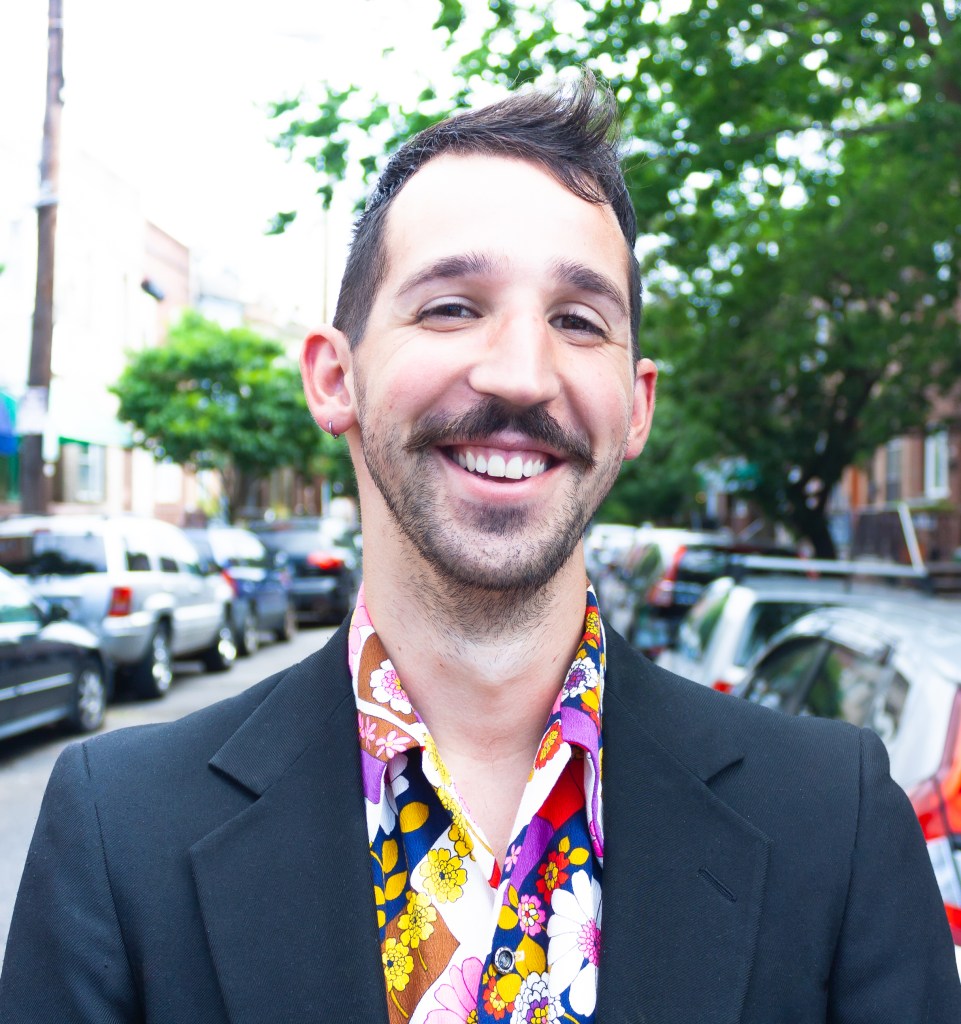
Vincenzo Ferriola is a Master’s Student in City and Regional Planning at the University of Pennsylvania. Vincenzo has received their Bachelor’s degree in Civil and Environmental Engineering from Rowan University. Vincenzo is currently interning with Philadelphia Parks and Recreation to support Growing from the Root: Philadelphia’s Urban Agriculture Plan. Vincenzo has previously worked with Agatston Urban Nutrition Initiative to co-manage a Community Supported Agriculture (CSA) in West Philadelphia and curate workshops in agroecological growing practices for high school students. Vincenzo is committed to improving food sovereignty and increasing local food production with underserved populations.
What do you enjoy about your work? Being that this is my first position with a city agency and one of my first professional positions, I am finding that the work that I am doing can impact an entire population of around 1.5 million people. My previous positions have been at much smaller scales and I am now understanding the power dynamics between the government and the residents of Philadelphia.
Similarly, what do you find challenging about your work? This position has challenged me to think critically, keeping an open mind. For example, while I might advocate for a fruit tree to be planted in the public right of way (such as a sidewalk or traffic median), there are many people who don’t have the same desire. Instead of making decisions too quickly, which might retrace some of the problematic and racist planning practices of history, we should be intentional and deliberate, hearing and uplifting voices that need to be heard. That is what I envision a more successful planning process might look like.
What areas of the food system do you focus on in your work, and where does that fit in with the rest of the work that you do? I am quite new to the food systems planning world, although agriculture has been a part of my upbringing and continues to motivate me. The Master’s program requires students to choose a concentration that best fits one’s professional goals. I resonated the most with the community economic development concentration as my personal and professional motivations are grounded in community visualized and realized processes.
Do you consider yourself a food systems planner? Why or why not? While I am still new to this profession, I am constantly learning and unlearning, growing and pruning old branches. I do consider myself a budding food systems planner. Food is something we all need. Fresh, locally grown, culturally significant food is something we need even more. I’d like to be able to provide (at least some of) the resources to make this possible for the many communities that make up Philadelphia. This requires a holistic approach to understand and appreciate not only a place, but also the people and the unique cultures that make it so enriching.
What is the biggest food systems planning-related hurdle your community/organization faced in recent years and how was it dealt with? Even though I am new to Philadelphia Parks and Recreation, I am aware that there is a complicated and lengthy process to attain land rights for urban farming. Agriculture is not legally seen as a land use in Philadelphia, which makes land sovereignty and ultimately self-sufficiency unattainable. When land is seemingly bought so quickly by developers, it is unjust that agriculture does not receive the same support. This is a racial inequity, currently and historically, as black and brown growers are more adversely impacted by discriminatory land use laws. This makes me eager to learn more about land use laws, land tenure, and zoning, to learn how I can best advocate for people who need the most support.
How has your perception of food systems planning changed since you first entered the planning field? Quite honestly, I did not know what food systems planning was a year ago. I’ve worked on an urban farm in West Philly, but it wasn’t until taking a graduate course in Metropolitan Food Systems Planning with Domenic Vitiello that I fully (or at least more fully) understood the workings and dynamics of this field. Food systems planning is not uni-dimensional. There is no one position that precisely fits the description of a food systems planner.
Who has had the most influence on you as a planner? As a food systems planner? I owe an incalculable amount of respect to Philadelphia’s Director of Urban Agriculture, Ash Richards. They have been my role model since their appointment to this position. Ash’s practice embodies intentionality and consensus building, which is what I strive to incorporate as a new professional in the planning field. They aim to uplift voices who have traditionally been left out and concretely emphasize racial justice. I cannot thank them enough for giving me the opportunity to learn under them.
Do you have any advice for someone entering the food systems planning field? What makes you successful in your work? What skills do you use the most in your food systems planning-related work? Planning should be a reflective practice. Haste might produce more, but does not mean it’s a superior outcome. I believe it’s imperative to be thoughtful and deliberate, to fully ground decisions in what is needed for the people who need it. To understand the outcomes and potential consequences of decisions. To practice empathy, sympathy at the least.
What do you wish you would have known before going to planning school? I made the decision to attend planning school immediately after graduating from undergrad, which put me at a different place professionally from the majority of my peers. Rather than seeing this as a deficit, I turned it into an opportunity to learn not only from my professors, but also from my cohort. There is less of a formula in planning than there is in civil engineering, both in learning (and unlearning) and in practicing. I found myself initially seeking the one path that led to the final product. But, planning is not just about a product, in my opinion, it’s about the process.
How do you think COVID 19 will shape/change your job/food systems? Being that I started my current position during COVID-19, I have acclimated myself to a work-from-home mode. This has been a bit of a challenge to connect with coworkers on a more personal level, although I’m hoping for in-person, socially distanced meetings in the future.
COVID-19 really started to impact Philadelphia mid-March into April. Grocery stores with 45+ minute waits and empty shelves were alarming and anxiety inducing. I looked to farm shares and found the majority to have wait lists. As the supply and demand leveled out over the past few months, grocery stores have been able to restock most of their products, especially the products in high demand. I hope this pandemic strengthens the case for localized food production with an increased need for urban agriculture.
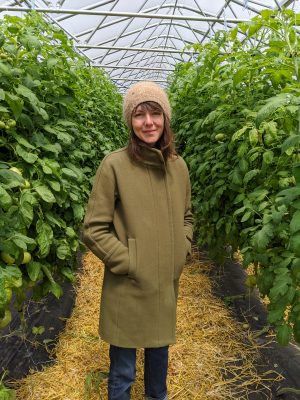


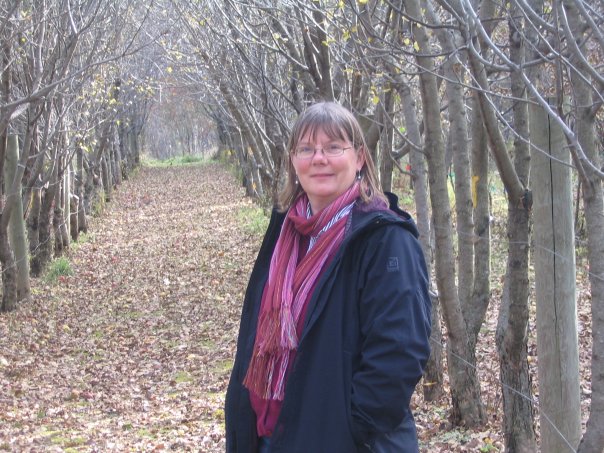 Marcia Caton Campbell is the executive director of the Center for Resilient Cities (CRC), a 501(c)(3) nonprofit organization based in Madison, WI. CRC’s work pulls together many “systems” of a neighborhood: how we build community, how we feed ourselves, how we educate our children, how we produce energy and manage natural resources, how we create jobs, and how we design buildings and reclaim our neighborhood spaces. Marcia has close to 20 years of experience in community-based planning and food systems planning, research, and practice. Prior to joining CRC in 2006, Marcia taught urban and regional planning at the University of Wisconsin–Madison, specializing in food systems planning, community-based planning, and environmental conflict resolution. Her research, teaching, and publications focused on consensus building and community-based planning with diverse publics, and multi-stakeholder conflict resolution. She is a member of the American Planning Association’s Food Interest Group Leadership Committee and serves on the City of Milwaukee’s Green Team, coauthoring ReFresh Milwaukee’s food systems chapter. She is co-author of
 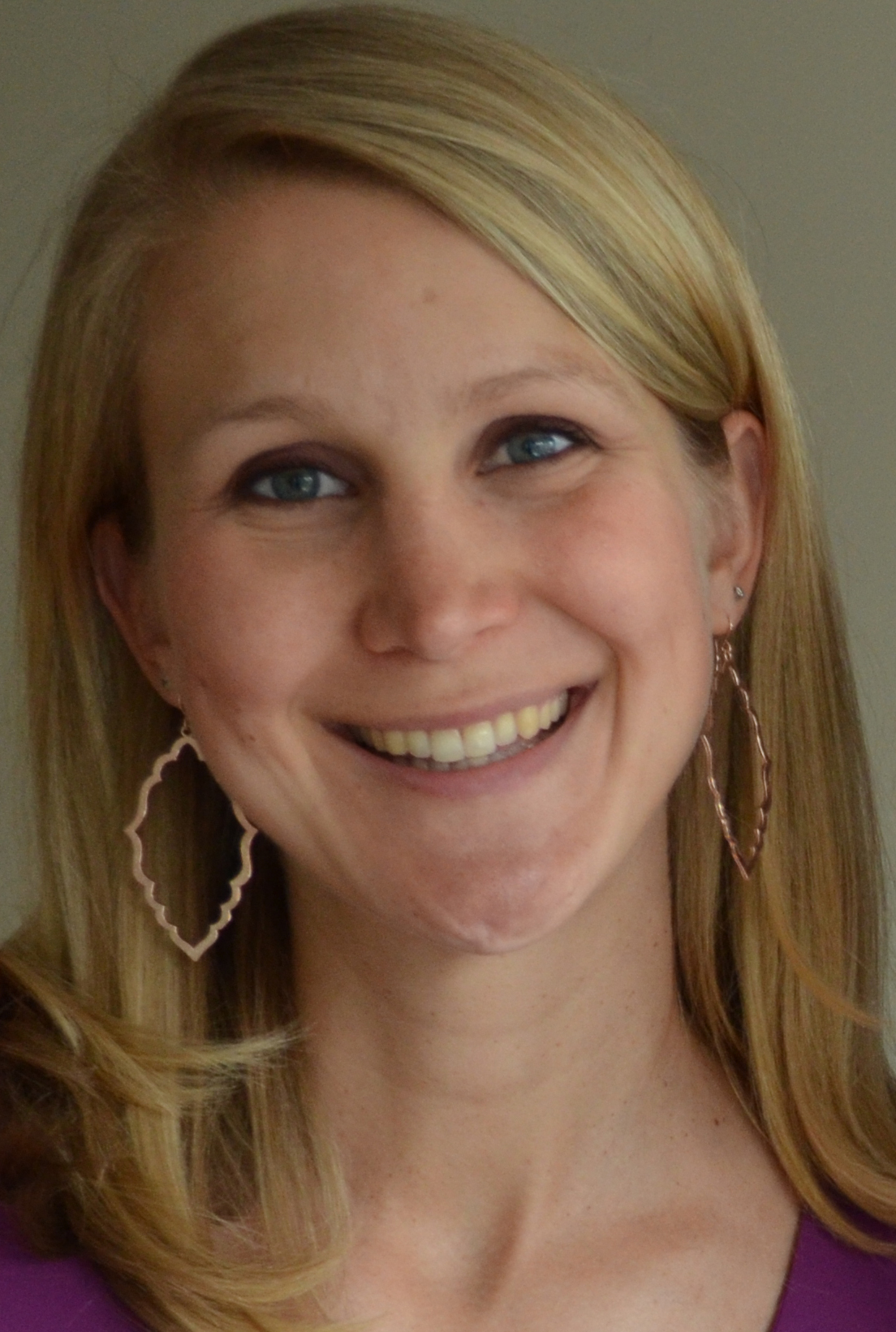 Kimberley Hodgson, MURP, MS, AICP, RD is the principal and founder of
  Megan Bucknum is ¾ faculty with the Department of Geography, Planning and Sustainability at Rowan University in New Jersey where she currently teaches planning courses, including food systems planning. As a consultant, she has worked on food projects throughout the country and has held staff positions at New Venture Advisors LLC, Philly CowShare, The Food Trust, Fair Food Philadelphia and the Wallace Center at Winrock International, as well as assisting with the University of Vermont’s inaugural Food Hub Management Certificate course. She has been a contributing author to a the planning guide
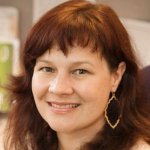 Andrea Petzel, AICP, is the principal of Broadview Planning, a women-owned consulting firm specializing in community planning and public engagement. Before founding Broadview Planning in 2014, Andrea was a project manager and senior urban planner for the City of Seattle. During her time at the City of Seattle, Andrea led the legislative process for the city’s Urban Agriculture Ordinance, one of the nation’s first comprehensive urban agriculture ordinances aimed at removing barriers to growing and producing local food. In 2016, Andrea made the shift from policy to practice by starting her own backyard urban farm, Alouette Acres.
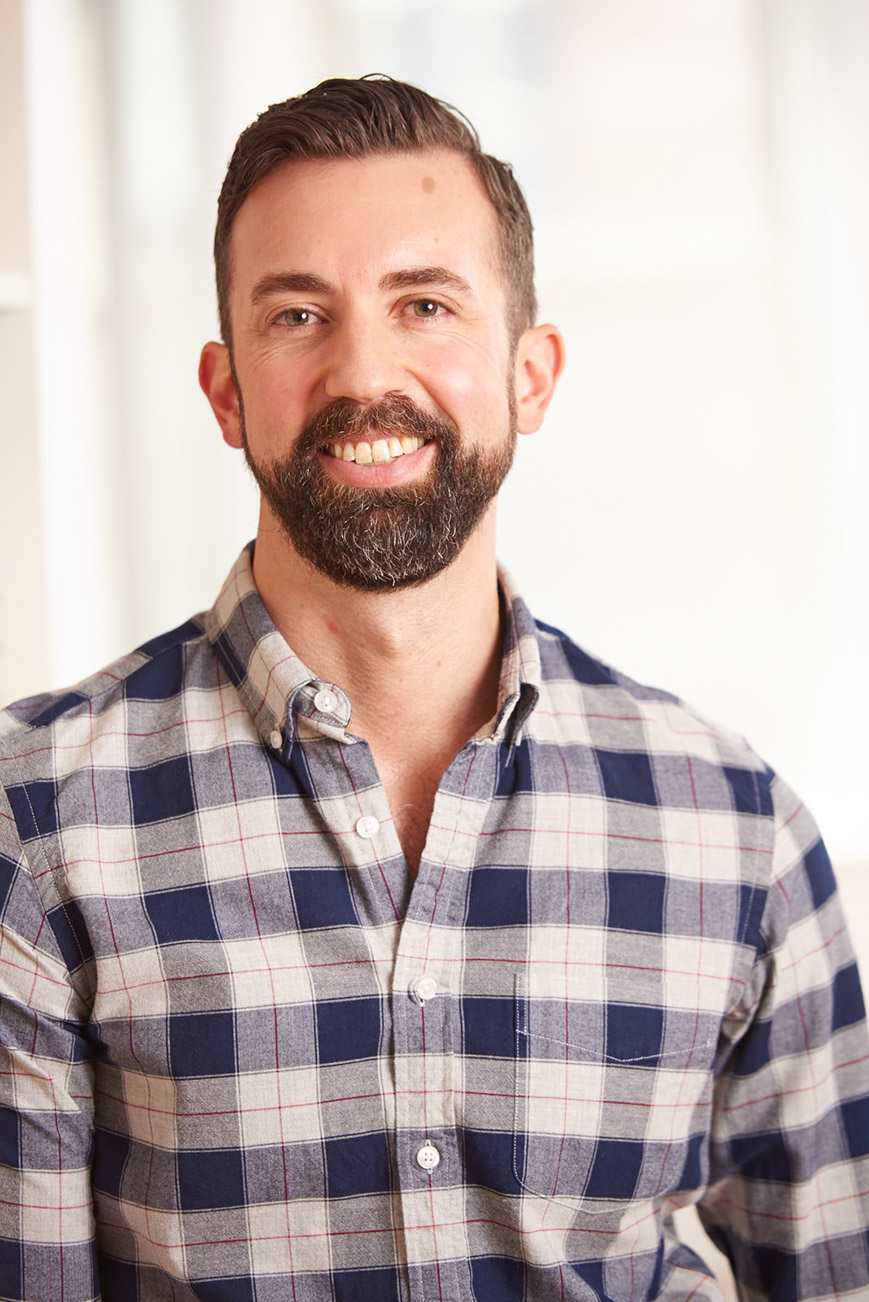 Ben Kerrick has been a consultant with
  APA FOOD