Faces of Food Systems: Chad Nabity

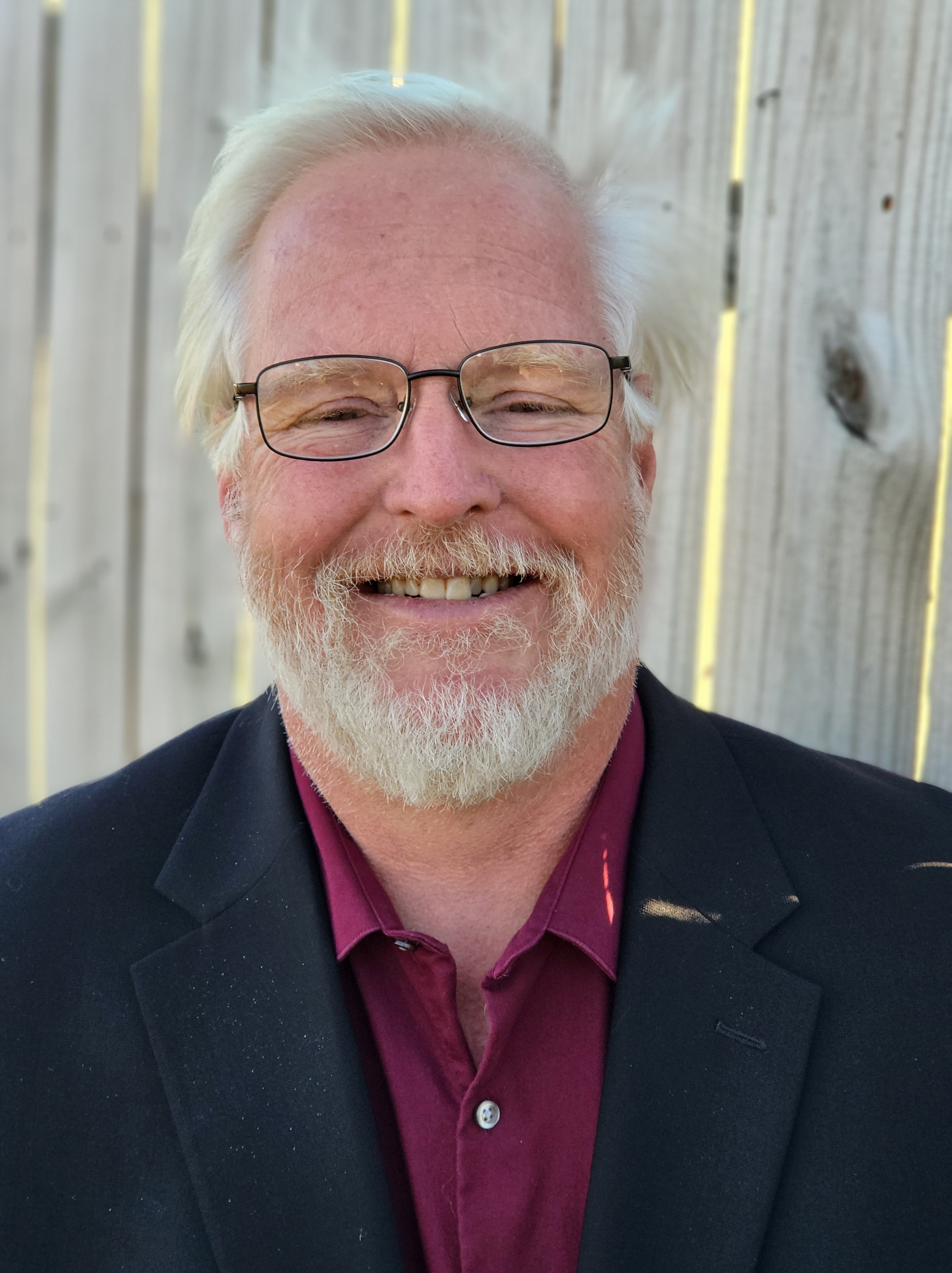
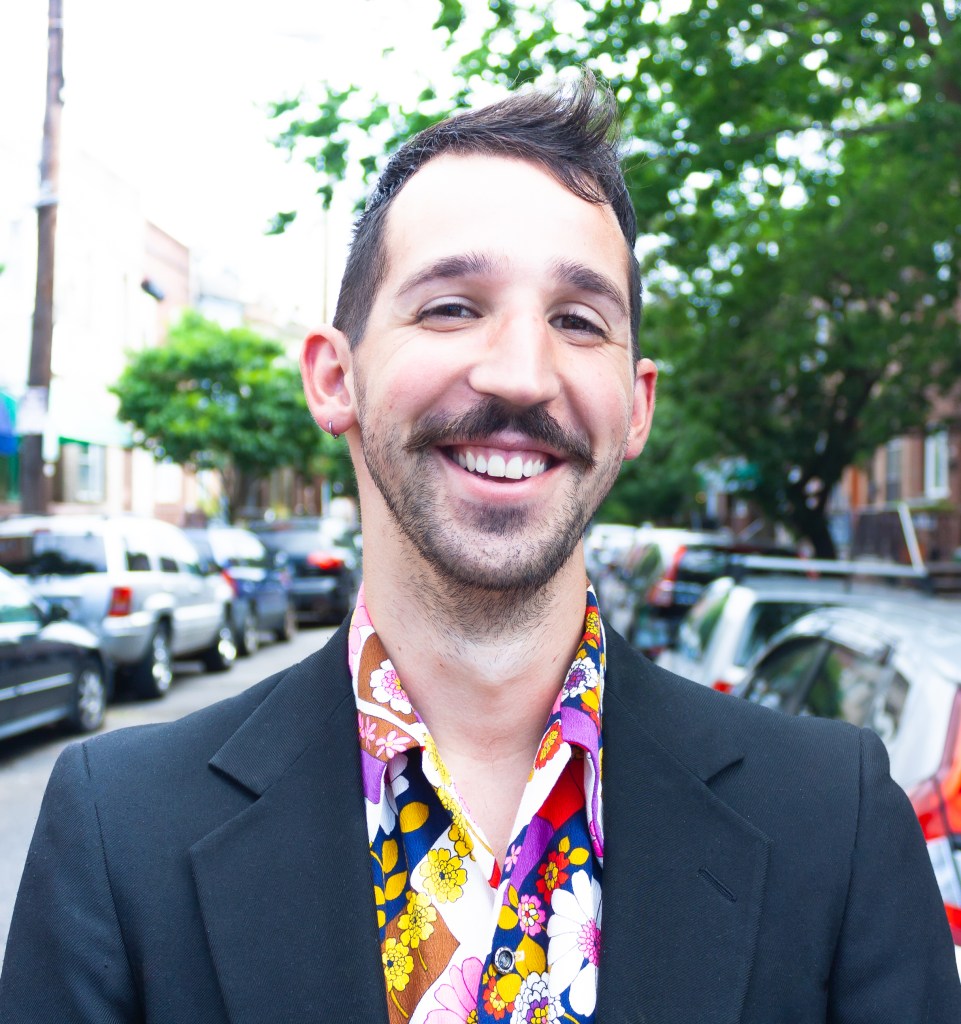
Chad Nabity, AICP is the Community Development Director for the City of Grand Island, Nebraska, and the Planning Director for the Hall County Regional Planning Department. In addition to his day job, Chad is the Divisions Council Chair for the American Planning Association, and a farmer! Chad is one of APA FOOD’s longest-running supporters, and we are thrilled to feature him for Food Systems Planning Month!

What’s your favorite food?

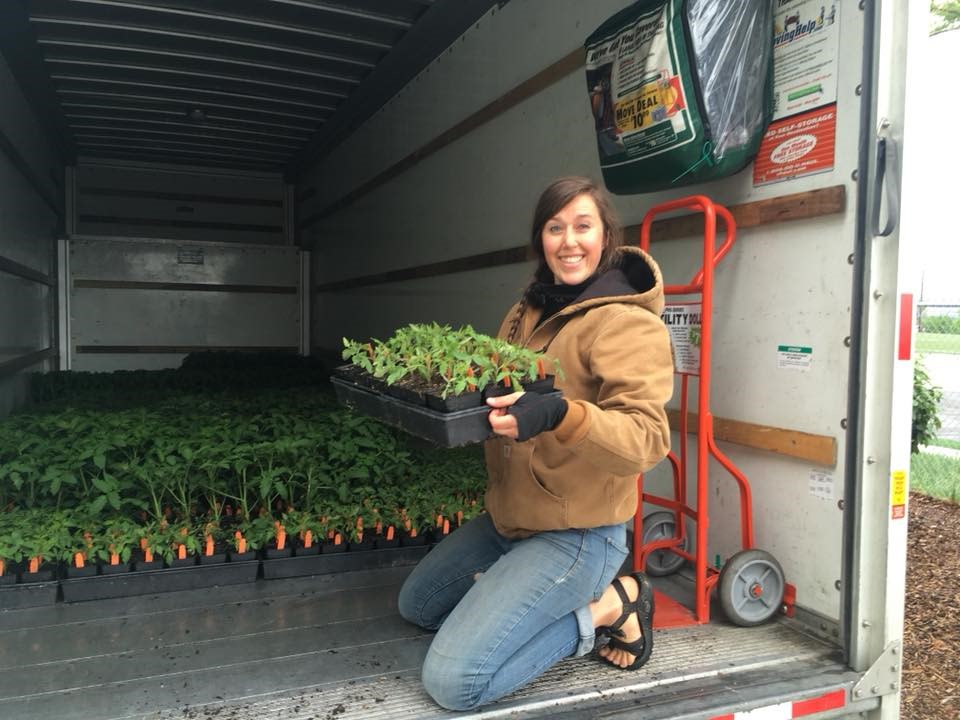
It depends on the time of year and what is available. If I had to pick one I would say tomatoes. On my farm, we grow more than 30 different varieties and plant more than 150 plants every year.

What do you enjoy about your work?

I like to think that my work is helping make my hometown a better and more successful community. I like working with all of the other people involved in development of the city and county including the elected officials, planning commissioners, engineers, developers and property owners.

What do you find challenging about your work?

The most challenging part of the job is watching people make decisions that I think are mistakes. Usually this is done by elected officials and they get the final say. When this happens, it is an opportunity to teach good planning principles and open discussions on the long term impacts of decisions.

What areas of the food system do you focus on in your work, and where does that fit in with the rest of the work that you do?

I am the planning director for a city of more than 50,000 and the county it is located in. Our primary employment sector is based on agriculture, production, processing, and manufacturing. While not expressly stated in our 2004 comprehensive plan, food systems are essential for our economic wellbeing. In most cases this is conventional agriculture and processing, but I am working to make sure that we can and do support and allow more local, small-scale, and sustainable food systems within our plans and regulations.

Do you consider yourself a food systems planner? Why or why not? 

Food systems is not my primary planning responsibility, but it is one of my passions. I would say avocation rather than vocation. This avocation is one of the reasons that I spend my personal time gardening and running a small CSA.

What is the biggest food systems planning-related hurdle your community/organization faced in recent years and how was it dealt with?

We spent about 18 months modifying our confined animal feeding operation regulations within the County. The process involved feed lot operators, attorneys, elected officials, planning commissioners, staff and the general public. The process ended with updated regulations that made small to mid-sized operations permitted uses as long as they could meet the performance criteria and receive approval from the State. We have not had any new operations since the regulations were put into place but that is likely more a function of the amount of our agricultural ground in crop production.

How has your perception of food systems planning changed since you first entered the planning field?

Food systems are recognized as a vital part of local planning. When I began my career, this would not even have been part of the curriculum or discussed at conferences, even in an agricultural based state like Nebraska.

Who has had the most influence on you as a planner? As a food systems planner?

Joe Luther, a professor at the University of Nebraska in Lincoln is the reason that I discovered and fell in love with this profession. Without his influence I would not have taken this path. He was also very involved with Nebraska and national APA and my involvement follows his example. Joel Salatin has influenced me as a food systems planner. His plain spoken, practical thoughts on the modern food system and his methods of creating his own place in that system push me to rethink what I “know” and accept new ways of thought regarding food, especially local food production.

Do you have any advice for someone entering the food systems planning field? What makes you successful in your work? What skills do you use the most in your food systems planning-related work?

My first piece of advice is remember why you got into this field. Does that still resonate with who you want to be and what you want to accomplish during your career? It is ok to move on to other interests and other areas of planning if that is where life takes you, but if this is still your passion, follow it.

My second piece of advice would be that you can likely incorporate food systems planning into any planning related job if you view your activities through a food systems lens. The ability of planners to apply specific lenses–whether it is food systems, EDI, bike/ped or any other lens–is one of the most valuable things that we bring to the table when working with allied professionals. We have the ability and training to synthesize information and complex problems when recommending solutions to decision makers.

What did you study and what do you wish you would have known before starting your work in food systems?

I know that for many people that enter planning it is a design oriented profession. I went to graduate school in planning with a BA in English and Anthropology. For me planning has always been a people-oriented process and an exercise in applied anthropology. Food, water, and shelter are the base of Maslow’s pyramid. Good planning should make those basic needs available and accessible. Good planning is about people and creating possibilities for people to expand their horizons. The ability to access food is one of the basic components of those higher goals.

Faces of Food Systems: Tia Schwab

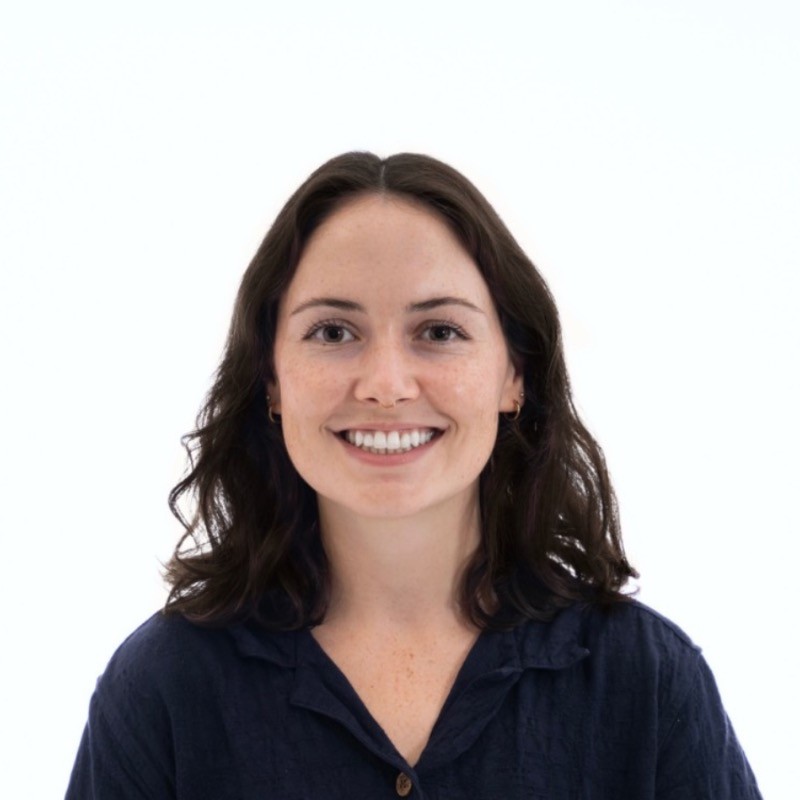
Tia Schwab is Policy Advisor for the New York City Mayor’s Office of Food Policy (MOFP). She received her Masters of Food and Agriculture Law and Policy in 2022. Tia conducts food policy research and analysis, and her portfolio includes the NYC Good Food Purchasing program, climate and environment, and food education.

What’s your favorite food?

Fried avocado tacos and chips and queso—or really any Tex-Mex. (I grew up in Austin!)

What do you enjoy about your work?

I love how interdisciplinary it is – food systems work touches health, education, sustainability, climate, equity, and city/regional planning. I get to work with and learn from people across different government agencies and community organizations. I also get to work on food in a variety of settings, like schools, hospitals, shelters, food pantries, older adult centers, detention centers, community centers, and more.

What do you find challenging about your work?

Changing the status quo can be challenging. Improving the food system requires shifting how we grow, package, store, buy, distribute, and discard food, and inertia is powerful–it’s easier to continue doing what we’re doing than to try something new. However, there are talented and passionate people and organizations driving systems-level change forward.

What areas of the food system do you focus on in your work, and where does that fit in with the rest of the work that you do?

Each year, NYC spends over $300M on food and meals served at the city’s schools, older adult centers, shelters, hospitals, pantries, detention facilities, and more. I implement NYC’s Good Food Purchasing framework, which aims to align the city’s food purchases with the values of nutrition, environmental sustainability, local economies, animal welfare, and a valued workforce. I coordinate across city agencies to ensure that meal programs offer choices that are healthy, delicious, culturally relevant, and good for the planet, and this all starts with the food we buy.

Good Food Purchasing intersects with my other portfolio areas of climate and environment, food education, and business and labor. With our food purchasing data, our goal is to decrease the CO2-equivalent emissions of our food purchases by 33% by 2030 and (year over year) increase the dollar spend going to New York State businesses and to minority- and women-owned businesses. I also work on expanding culinary training and nutrition education in a variety of settings across the city. Increasing the preparation and consumption of healthy, delicious meals requires an investment in the city’s culinary workforce and in food education.

Do you consider yourself a food systems planner? Why or why not? 

Yes—at MOFP, I work with a variety of stakeholders to plan and create a healthier, more sustainable, and more equitable food system in NYC.

What is the biggest food systems planning-related hurdle your community/organization faced in recent years and how was it dealt with?

Like in many other cities, the COVID-19 pandemic caused a dramatic increase in food insecurity in New York City. However, the city mobilized quickly to support vulnerable New Yorkers. It expanded the school meal program to serve three free meals per weekday to all children and adults in need, provided pantries with staffing support and $50 million in funding, implemented an emergency home-delivered meals program for seniors and other at-risk groups, connected large food businesses with PPE manufacturers and donated PPE to smaller grocery stores in highly-impacted areas, provided free childcare for grocery workers and other essential employees, and much more. The city’s response to COVID-19 addressed immediate food needs while creating a plan for improving food system resilience in the longer term.

How has your perception of food systems planning changed since you first entered the planning field?

When I first entered the planning field, my thinking on food systems planning was informed by the importance of addressing immediate needs with advancing upstream strategies for the future, such as investing in food pantries while building regional food hubs. My work in local government has taught me the importance of implementing realistic or pragmatic solutions (under legal or economic realities, for example) while pushing for idealistic, ‘game-changing’ solutions. Neither should be ignored in creating a better food system.

Who has had the most influence on you as a planner? As a food systems planner?

My professor and mentor in college, Dara Olmsted Silverstein, has had the most influence on my path as a food systems planner. My senior year, I took a year-long class with Dara called “Designing Your Pathway to Impact in the Food System,” where we got to explore different career paths, conduct informational interviews with people we admired, and go on field trips to see food systems work in action. There’s not always space in degree programs for self-guided study or exploration, but Dara championed it and encouraged me to test drive different career paths after graduation. Since then, she has continued to support me with advice about navigating job changes, new degrees, and moves to new cities. (And as a bonus, Dara was my manager for my on-campus job in the dining hall food gardens and microgreens greenhouse, so she also inspired an appreciation for the power of growing your own food!)

Do you have any advice for someone entering the food systems planning field? What makes you successful in your work? What skills do you use the most in your food systems planning-related work?

The skills I use the most (and that make me the most successful) are communication, relationship building, and project management. My work requires coordinating across people and teams, in and out of government, to advance projects and track progress. I have always learned the most relevant ‘topical’ knowledge on the job, so supplement your food systems expertise with transferrable skills like writing, public speaking, and problem solving.

What did you study and what do you wish you would have known before starting your work in food systems?

I studied human biology with a focus on food systems and public health as an undergraduate, and I completed my master’s degree in food and agriculture law and policy. Looking back, I would tell myself that you don’t need to have your whole career path figured out; just follow the opportunities that excite you along the way. You will be most effective in driving food systems transformation by working on topics that interest you with people that inspire you.

Faces of Food Systems: Hunter Heaivilin

Hunter Heaivilin headshot

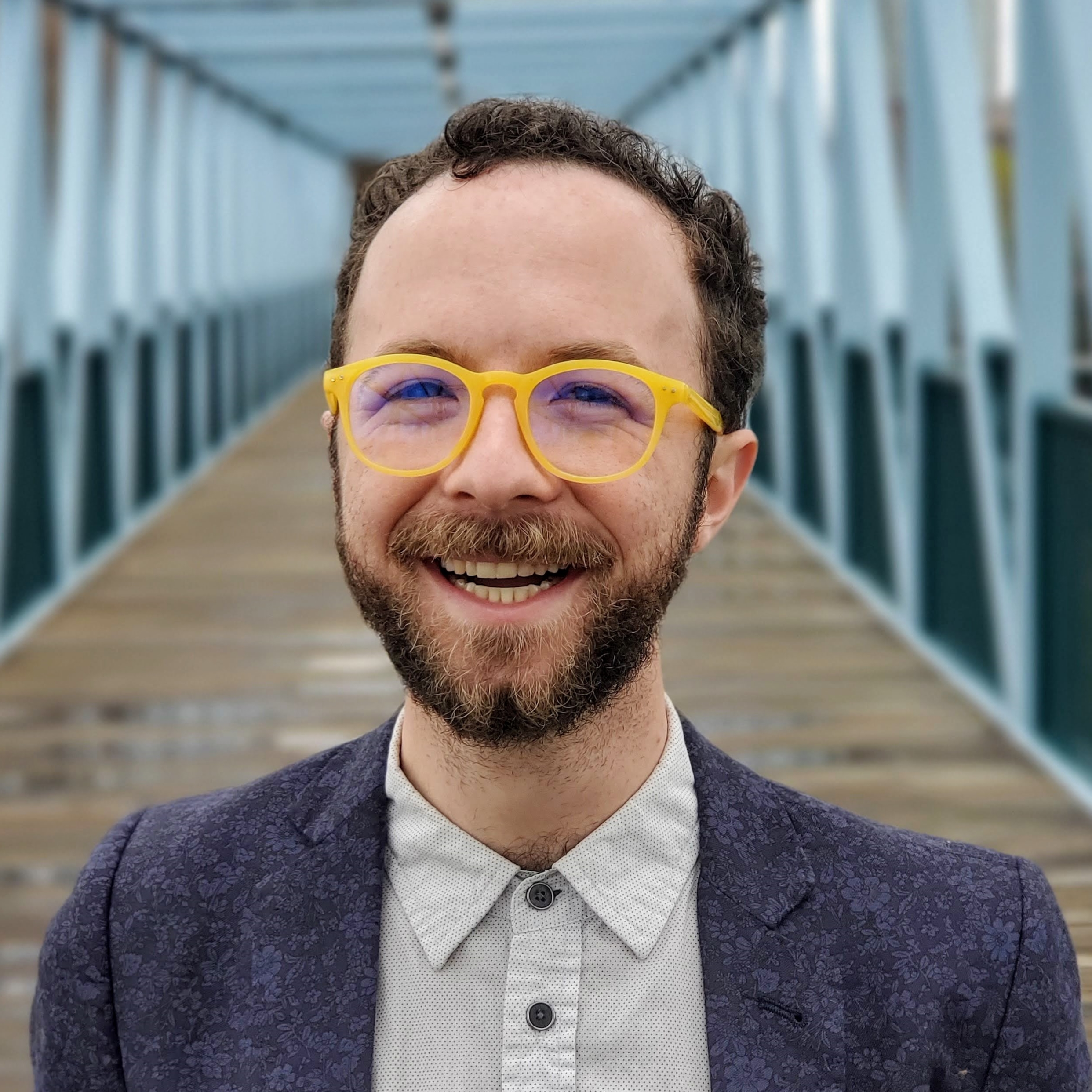
Job: Hunter Heaivilin is a Food Systems Planner with fifteen years of experience working with community, non-profit, and government clients. Hunter specializes in data driven policy and planning and consults through his firm Supersistence. His education and work has grown from ecosystem management (AS) to sustainable community development (BA) and urban planning (MURP). As a Phd Candidate in the Department of Geography & Environment at UH Manoa he researches disruptions and resilience in Hawaii’s food system over the 20th century.

  1. What’s your favorite food?

Most anything with coconut milk. Fat from a tree is pretty hard to beat.

  1. What do you enjoy about your work?

In my work I engage with multiple networks, I relish the opportunity to understand food system issues from various lenses frames like that of producers, aggregators, advocates, and politicians.

  1. Similarly, what do you find challenging about your work?

Relatedly, straddling between these different perspectives and translating across stakeholder groups is a unique but engaging challenge.

  1. What areas of the food system do you focus on in your work, and where does that fit in with the rest of the work that you do?

One thread of my work focuses on data analysis and visualization for stakeholder decision support, another thread focused on local policy. These both fit into my overall interest in progressing towards a more deliberative democracy. Increasingly I approach community planning and agrofood systems work as opportunities for stakeholder driven process determination, embracing radically democratic approaches to normalize public-government interaction beyond just token input or reductive voting. As hope in this is that as civil society pursues more democratic processes that the same will be demanded of our legal governance systems.

  1. Do you consider yourself a food systems planner? Why or why not?

Yes! I work across the value chain, from agricultural land planning to market analysis to community food access.

  1. What is the biggest food systems planning-related hurdle your community/organization faced in recent years and how was it dealt with?

Addressing household food insecurity resulting from COVID-19 has been a major focus across the state. I’ve been fortunate to work with the food banks and Food Access Coordinators in each county to support their analysis and planning efforts.

  1. How has your perception of food systems planning changed since you first entered the planning field?

I think my perspective has shifted from working in the food system to working on the food system.

  1. Who has had the most influence on you as a planner? As a food systems planner?

Over the years I’ve lucked into working with John Whalen, FAICP here in Hawaii. His deliberative and considered approach to wrangling wicked problems has inspired me to seek understanding before resolution.

  1. Do you have any advice for someone entering the food systems planning field?

Facilitation and network weaving skills are ones that I did not pick up in graduate school, but I have found invaluable in navigating the complexities of community facing food systems work. Contrastingly, having a facility with quantitative data has often been an entry point into various projects that is more readily understood by funders or associated with concrete deliverables. Filling your toolbox with soft skills and technical capacities, I find, helps to keep from getting too lost in the clouds or the details.

  1. What do you wish you would have known before going to planning school?

I wish I had known that food systems planning was a distinct area of study and practice. While my planning program was a great experience and I learned a lot, none of the professors were focused on the food systems planning field at the time. This made it crucial to seek out mentors and networks within the planning community that touch on food systems.

11. How do you think COVID 19 will shape/change your job/food systems?


The pandemic highlighted existing vulnerabilities and inequities within the food system, such as supply chain disruptions and unequal access to healthy food. As a result, there has been increased attention and resources devoted to strengthening resilience and addressing equity. Additionally, the pandemic led to changes in the ways that food is distributed and consumed, such as an increased reliance on online ordering and home delivery. While the pandemic presented significant challenges to the food system, it also created opportunities to address long-standing issues and pursue positive change. As the pandemic and associated funded ebb however, we will have to work to ensure that we did not just have change within the food system, but can achieve food systems change.

Faces of Food Systems: Arielle Lofton

Arielle Lofton face and shoulders, yellow blouse

Current Job: Master of Sustainable Urban Planning at George Washington University Planner at Stantec, and Associate Consultant at Karen Karp & Partners

  1. What’s your favorite food?

This is a hard question to answer because I LOVE so many different cuisines, but right now I’m really into Filipino food! This summer, I went to a local Filipino restaurant “Purple Patch” where I had a coconut-braised short rib adobo dish, and I’m still thinking about it.

  1. What do you enjoy about your work?

I  enjoy continuing to learn about urban planning and how it affects our lives daily. When you think about it, it affects where we live, our local transit, what we have access to, how our local and regional economies are run, etc… As a philomath, I love to learn and I’m thankful to have had great experiences working in the food industry and going to the Culinary Institute of America which has uniquely shaped my view of food systems.. I hope to continue to advocate for more sustainable development and healthier food systems, especially in underserved communities. Everyone should have access to fresh healthy food!

  1. Similarly, what do you find challenging about your work?

For me, the most challenging thing is working in a bureaucratic structure. Sometimes it’s extremely hard to get things done in local government because you have to have support and people have to value and understand your vision. It takes time but it’s not impossible!

  1. What areas of the food system do you focus on in your work, and where does that fit in with the rest of the work that you do?

In my current role as Associate Consultant at KK&P, I’m working on various food system-related projects focusing on local food procurement and food, and agriculture education for institutions. The world of urban planning is so vast and as a student, I’m building on every experience to help me figure out my strengths and further discover what I’m passionate about. 

  1. Do you consider yourself a food systems planner? Why or why not?

At this point in my career not yet, I work on food system-related projects but I wouldn’t say I’m a “food-sytems” planner.

  1. What is the biggest food systems planning-related hurdle your community/organization faced in recent years and how was it dealt with?

When I worked for a community garden program in southern Maryland our biggest problem was capacity. We didn’t have enough community gardens and staff to meet the needs of food insecurity in the county. By partnering with other local community-based organizations we were able to have a broader reach and get fresh produce to people who needed it most. 

  1. How has your perception of food systems planning changed since you first entered the planning field?

Since starting planning school I’ve come to realize the intersections between food systems, public health, transportation, and overall regional development. We cannot fix our problems by only looking at things as isolated issues. Reaching across industries is vital in creating a healthy and equitable food system, especially for our under-represented and low-income communities.

  1. Do you have any advice for someone entering the food systems planning field?

Put yourself out there and get involved in your local community! You will always meet passionate people doing food systems work, building relationships and developing a network is very important in finding opportunities in this work.

  1. What do you wish you would have known before going to planning school?

I came into planning with no prior experience in the industry and I figured it out along the way with support from my network, faculty, and student body. If you are passionate about something go for it even though it may be daunting or intimidating! 

Faces of Food Systems: Matthew Gabb

Job: Program & Social Science Research Coordinator at the University of Minnesota’s Institute on the Environment

  1. What’s your favorite food?

Fresh-made sourdough bread with butter.

  1. What do you enjoy about your work?

Being at a university, I love getting to work with students every day. I’ve only been out of grad school for a little over a year, but I still learn so much from folks even a few years younger than me.

  1. Similarly, what do you find challenging about your work?

Not being able to please everybody. At IonE, we do research on many multi-million dollar research grants at a time, mostly related to the social science of climate change and sustainability, including a lot of work on industrial ag emissions. As in planning, there are going to be times when people don’t like or want to hear what you have to say. So we do our best to handle that criticism head-on and address folks’ concerns, but all while remembering that what we do and research is important.

  1. What areas of the food system do you focus on in your work, and where does that fit in with the rest of the work that you do?

In addition to my role as a program coordinator and general cat-herder, I help with some of IonE’s research on state-level climate policy. This includes understanding what state- and county/city-level policies exist that tackle food systems and work to mitigate or adapt to climate change. Outside of work, my interests in food systems are largely in two areas: policy and community-building, which I’ll talk more about below.

  1. Do you consider yourself a food systems planner? Why or why not?

Yes and no. In my current role at the university, I am definitely not a food systems planner. But a major project I led in grad school and still work on some is Olmsted County, Minnesota’s first-ever food security assessment. Working with a coalition of community partners, we did a deep-dive — including GIS analysis, statistical regressions, and literature reviews — on the state of food security in Olmsted County, including how it is impacted by race, class, transportation, zoning, health, and a number of other factors. It included a list of 34 policy and program recommendations pulled from communities around the US, and helped launch the new Olmsted County Food Security Coalition that is working to implement the recommendations of the assessment. That kind of community-driven work (that also let me dig into Census data, a guilty pleasure of mine) is what I love doing and hope to work on in the future.

  1. What is the biggest food systems planning-related hurdle your community/organization faced in recent years and how was it dealt with?

I moved to Minneapolis in 2019 for planning school, and lived a few blocks from the MPD 3rd Precinct during the uprisings after the murder of George Floyd. Almost all of the national chain grocery stores in the surrounding neighborhoods were inoperable for many months in the summer and fall of 2020, with the remaining options being gas station convenience stores, an overpriced organic co-op, or driving/bussing to the suburbs or St. Paul. None of those are great options, so many of my neighbors tapped into existing mutual aid networks and set up new ones to make sure everyone’s needs were met. Armed with some Google spreadsheets, viral Instagram stories, and word of mouth, South Minneapolis came together to get people diapers, bus passes, food, water, hand sanitizer, rent money, garden seedlings, baby formula, face masks, you name it. When national and international media left Minneapolis, my neighbors were still out in the streets taking care of each other.

  1. How has your perception of food systems planning changed since you first entered the planning field?

I thought more grocery stores and supermarkets were the answer to “food deserts.” Now I know that they are just a band-aid. Obviously grocery stores and necessary, but if we just slap a supermarket down in a so-called food desert (a term I take a lot of issue with now) it will not work unless we tackle more deep-rooted issues like wages that are too low, bus routes that don’t go to stores, the systemic racism poisoning every aspect of the food system — heck, even something as “simple” as making sure there are adequate, well-maintained sidewalks around a grocery store so folks with mobility aids and strollers can actually get into the store. The “food system” does not exist in the policy vacuum I once thought it did.

  1. Who has had the most influence on you as a planner? As a food systems planner?

Two people: Charlotte Rodina, my AmeriCorps supervisor when I served at Beardsley Community Farm in Knoxville, Tennessee. The work she does at Beardsley opened my eyes to the notion that all food, transportation, wage, poverty, etc. policies are choices. And if we want people to have access to safe, culturally relevant, affordable food that they enjoy, we have to start making different choices as a community, a society, and a field. Most importantly, she taught me to remember to focus on the joy that can come from a good meal shared with your neighbors.

The second is my grad school advisor, Dr. Fayola Jacobs, who pushed me to think more critically about why I wanted to go into food systems planning and the policies I wanted to push for. She challenged me throughout my studies to make sure my thinking around food systems was actively anti-racist, non-paternalistic, considered the environment, and centered public health. I can never thank Fayola enough for helping show me a better world is possible when we envision everyone, not just ourselves, in the future.

  1. Do you have any advice for someone entering the food systems planning field?

Sit down, shut up, and listen to what any communities you work in actually want and need. Because even with all our expensive, fancy training and all the acronyms after our names, we will never be as knowledgeable as community members. Do everything you can to make the futures they envision a reality, no matter what you think is “best” for them.

  1. What do you wish you would have known before going to planning school?

Public speaking and non-academic writing skills, which not enough planners are trained in. Planners’ most important job is to be communicators, and we often are not taught how to do that effectively.

Faces of Food Systems Planning: Erica Hall

Name: Erica Hall, M.S. CED, MBA, ARM

Current Position: Board Chair/Exec Dir., Florida Food Policy Council, Exec Committee Vice Chair, Suncoast Sierra Club

What’s your favorite food?

Tie between BBQ and Italian Food

What do you enjoy about your work?

Meeting new people and learning about the interesting projects they are working on. Creating linkages and partnerships.

Similarly, what do you find challenging about your work?

Fighting to implement Justice, Equity, Diversity and Inclusion (JEDI) principles in Food System work, especially now. 

What areas of the food system do you focus on in your work, and where does that fit in with the rest of the work that you do?

Food Justice, food insecurity, nutrition insecurity, racial, social, climate and environmental justice. All areas fit together because they are interconnected. 

Do you consider yourself a food systems planner?

No, because I am not a planner by profession. I am a Community Development Professional, with a legal background. My planning experience comes from my work in the fields of the built environment, urban planning, sustainability, and resiliency. 

What is the biggest food systems planning-related hurdle your community/organization faced in recent years and how was it dealt with?

As a BIPOC leader in this space, Justice, Equity, Diversity and Inclusion (JEDI) is the biggest hurdle. This current system creates a racialized landscape in which people of color tend to experience worse health outcomes than white people. Black, Latinx and Native American communities face some of the steepest environmental barriers to socioeconomic well-being. These barriers include but are not limited to: segregated communities with substandard healthy food options, hazardous housing conditions, and unwalkable neighborhoods that are systematically polluted. It has not been dealt with as evidenced by the recent turn of events, politically, economically and racially.  However, in light of a new Administration, there is hope these hurdles will begin to be addressed. 

How has your perception of food systems planning changed since you first entered the planning field?

My perception of food systems planning hasn’t changed since I was first introduced to this work. In cities across the United States, racism still exists in built form. There’s a long history of intentionally racist policies such as race-restricted covenants preventing minority groups from moving to certain areas, redlining that limited access to housing finance, which concentrated nonwhite residents in neighborhoods that were then systematically underserved. These policies have had long-term negative impacts on access to healthy foods, jobs, wealth creation, health, and countless other socioeconomic factors. As previously stated, I am hopeful that with a new Administration that is focusing on environmental justice, climate change, and food justice, we will change the dynamics of years of systemic and structural racism. 

Who has had the most influence on you as a planner?

As a BIPOC leader, my influences historically were people like W.E.B. DuBois and Dorothy Mae Richardson, a community activist who fought against redlining. Her efforts led to the founding of Pittsburgh-based Neighborhood Housing Services, along with the national group now known as NeighborWorks America, one of the leading community development institutions. I worked for NeighborWorks America for seven years in the General Counsel’s office.

As a food systems planner? Currently, one of my influences is Julian Agyeman, Professor of Urban and Environmental Policy and Planning, Tufts University, who is an urban planning academic who teaches a course on food justice. I am also a fan of BlackSpace, a collective of 200 Black designers, architects, artists, and urban planners, committed to Black-centered planning and design. The organization works through community workshops, planning exercises, and cooperative design efforts to proactively bring Black voices and concerns into a development process that has long ignored them.

Do you have any advice for someone entering the food systems planning field?

Be flexible and open in your work, which may lead you to unexpected but surprisingly fulfilled places. What makes you successful in your work? My flexibility, adaptability, listening ability, collaboration, partnership, and network building.   What skills do you use the most in your food systems planning-related work? GIS Mapping Data, research, zoning and comprehensive codes, policies, land laws. 

What do you wish you would have known before going to planning school?

Again, my education is in Community Economic Development and a Global MBA so not applicable. However, had I known what I know now, I may have gone to planning school.

How do you think COVID 19 will shape/change your job/food systems?

COVID has already changed the way we do our work. Meetings, convenings and discussions have gone virtual, with very little in person meetings. Due to racial and social injustice, food systems planning is being revisited using a JEDI intersectional lens.

*Some portions edited for length.

Faces of Food Systems Planning: Janice Hill

Name: Janice Hill, AICP

Current Position: Executive Planner and Farmland Protection Manager; Owner, Acreage43560, LLC – A Local Food and Farmland Consulting Firm. Janice Hill, AICP, has worked in the planning field for 37 years. A graduate of the University of Pennsylvania where she envisioned local food production in North Philadelphia in the early 1980s, Janice works as executive planner for Kane County, IL. She is also the owner of Acreage43560 LLC, a farmland consultancy.

What do you currently enjoy about your work?

I enjoy the mix of computer and field work.  Taking a trip “into the field” is usually the best part of my week, camera in hand always. I cannot understand why some planners only use google maps; there is no substitute for eyeing your subject area in person. 

Similarly, what do you find challenging about your work?

In the past as a municipal planner, it was the planning commission night meetings, and then the long drive home.  At the same time, plan commissioners are some of my favorite people, dedicated to making their communities the best, volunteering their time.  I’ve learned a lot from the municipal and county commissioners I’ve worked with during my 37 years in planning.

What areas of the food system do you focus on in your work, and where does that fit in with the rest of the work that you do?

It’s hard to separate a portion of the food system out from the rest, but I am first a land use planner, it’s the first lens I use in all my work. We need the land base to produce food (even food grown in the built environment) and I believe all planners should first be well-schooled in land use.

Do you consider yourself a food systems planner? Why or why not? 

I’m a land use planner first, systems thinker second, farmland protection specialist third and local food planner and advocate, not only as a professional but as a farm family granddaughter.  I don’t take it for granted and I believe all people deserve fresh and local food, and menu items cooked from scratch. 

What is the biggest food systems planning-related hurdle your community/organization faced in recent years and how was it dealt with?

The greatest challenge was overcoming a disappointment when a multi-year project failed when handed over to a private operator after being in the public/community hands for years. I still have faith in public/private partnerships, but in the food and farm sector we still have a lot to learn about making the relationship work successfully.  It has been done more in other sectors like transportation; growing local foods isn’t the same as building local roads. 

How has your perception of food systems planning changed since you first entered the planning field?

Many of us feel that the pandemic pushed the average shopper into awareness of the local food system by showing the weaknesses of our current centralized system.  Also the results of the highly processed foods are showing in our health. 

Who has had the most influence on you as a planner? As a food systems planner?

My first mentor and influencer is my dear friend since undergrad days, Barry Miller, a planner extraordinaire from Berkeley, CA. We’ve been friends since age 18, and I remember I suggested first, after seeing his hand-drawn maps, that he should be a planner; and two years later, when I was dissatisfied with clinical psych classes, he suggested I take a social planning class. We both have extremely successful careers and I can’t imagine either of us taking different career paths.

Do you have any advice for someone entering the food systems planning field? What makes you successful in your work? What skills do you use the most in your food systems planning-related work?

I believe all planners should be trained in land use and zoning first and should spend time in public sector planning working “at the counter” at some planning office.  And field work is essential. I worry that too many planners rely on the screen instead of their own field work.  Push away from the screen: aerial photography doesn’t begin to show everything.  Also talk to people, find out what their ideas and thoughts are about their environment, neighborhood, gardens, farms, tabletops, shops, etc. 

I strongly believe that planners should build their design skillset: photography, film, map-making. I believe policy comes second to design and spatial skills.  Training planners to understand fundamentals of land use, design, geography, soils, and water resources must come before learning about change.

What do you wish you would have known before going to planning school?

Nothing, it was perfect for me.  I was ready but I had already taken a few courses as an undergraduate in an undergraduate planning program, which there aren’t that many of. If I was starting now without undergraduate coursework, I’d become familiar with map-making, basic hand-drawing, photography, videography, public speaking, and work on my social skills to be comfortable engaging with all kinds of people.

How do you think COVID 19 will shape/change your job/food systems?

I’m hopeful that in the future every school has large garden, greenhouse and chef and that kids don’t start to study local foods in grad school; they start in kindergarten!

*Some portions edited for length.

Faces of Food Systems Planning: Luis Nieves-Ruiz

Name: Luis Nieves-Ruiz, AICP

Current Position: Economic Development Manager for the East Central Florida Regional Planning Council (ECFRPC), a council of governments located in Orlando, FL.

Lusi Nieves-Ruiz, AICP

What do you currently enjoy about your work?

My current position allows me the flexibility to pursue my individual interests and passions including regional food systems. This requires me to identify potential funding sources and continuously develop new scopes of work, project methodologies, and grant applications, forcing me to flex my creative and entrepreneurial muscles quite often. Working for a technical assistance provider, I also get to be involved in different types of projects such as economic impact modeling, industry cluster analysis, and resiliency planning, among other areas. In turn, the experiences gained through these projects have helped to inform how I approach my food systems work. Finally, I get the opportunity to collaborate with a variety of stakeholders including economic development agencies, public health departments, and academic institutions, among other organizations.  This always keeps work interesting. 

Similarly, what do you find challenging about your work?

Money is always a problem for our agency. Every year we have to raise about 60 percent of our budget through grants and contracts. You are often forced to do more with less.  In my case, I am usually working on three or four different projects at the same time:  not only managing the project, but also doing the basic research, designing the document’s graphics and layout, and doing the final write up. I used to have to do most of this work by myself. Recently, I have been able to hire other planners to assist me with some of these tasks. The lack of consistent funding is usually a deterrent for me to focus on the implementation of long-term projects and initiatives. Another challenge is time. You can have great ideas, but sometimes there is not enough time to make them a reality. 

What areas of the food system do you focus on in your work, and where does that fit in with the rest of the work that you do?

My research work has three focus areas. I spent a good part of the last five years developing a sound methodology to assess regional food production systems. This includes identifying and mapping critical assets such as agricultural lands and food production businesses (farms, processors, and distributors). My approach to studying food systems is rooted in my interest in industry cluster analysis. I like to understand how the parts of the system work or do not work together. My planning background has also helped me to understand that land use regulations can act as barriers to the development of regional food systems. I specifically study how jurisdictions regulate food uses in their zoning codes. Finally, as an economic development official, I am working to develop a framework to use regional food systems to revitalize distressed communities.  Food production can help to generate much needed jobs and entrepreneurship opportunities in low-income areas. 

Do you consider yourself a food systems planner? Why or why not? 

If you had asked me this question five years ago, I would have said no. However, after being awarded $150K in grants and contracts to complete this type of work, I can confidently call myself a food systems planner. It is all about validation. When I started doing food systems work in Orange County, most of my peers regarded this work as a nice hobby. Thankfully, I had a planner colleague that really believed in my work more than I did myself. Winning the first grant to study Orange County’s regional food production system was definitely a game changer for me.  It helped me to start developing a body of work in the food systems area. These projects helped me to be selected as a Regional Food Economies Fellow by the Wallace Center at Winrock International in 2018. This has certainly been the highest point of my career as a food systems planner. Currently, I dedicate about 40 percent of my time to work on food systems projects.

What is the biggest food systems planning-related hurdle your community/organization faced in recent years and how was it dealt with?

I think that there is generally some antagonism between planners and food systems practitioners. Most food systems practitioners are entrepreneurs that want things to happen immediately. On the other hand, urban planners take a long view and understand that change takes time. I witnessed some of this dynamic when East Central Florida started its food policy council. After a couple of months, most of the food business owners had left the group. One thing that I have started to do is try to bridge the gap between both groups by developing some common language and tools. I am still working on it. 

Who has had the most influence on you as a planner? As a food systems planner?

Alissa Barber Torres, my first planning supervisor in Orange County, taught me two very important career lessons. First, it is important to let young planners pursue their passion areas. She provided me with the opportunity and space to work on my food systems planning and economic development projects. These two areas are currently the backbone of my planning career. I continue to use these lessons in my planning work and apply with the younger planners in the office. Sadly, my journey as a food system planner has been more lonesome. I can’t think of any other planners that were doing similar work to mine. Through my involvement with the Wallace Center and the Council for Development Finance Agencies, I met some great food systems practitioners.

Do you have any advice for someone entering the food systems planning field? What makes you successful in your work? What skills do you use the most in your food systems planning-related work?

Food systems planning is a very broad field. While it is important for planners to be conversant in all areas, at some point you will need to identify your own niche within the profession. To get to this point though, you need to understand what your strengths are.  Some of the skills that I use in my food systems work include Geographic Information Systems (GIS), data analysis, and policy analysis. Finally, to be successful in this line of work you have to be a good communicator. I credit my experience with Toastmasters for my ability to develop a concise message that that can be tailored to different audiences. 

What do you wish you would have known before going to planning school?

Most planning school students are idealists by nature. They go to planning school to learn how to change their communities for the better. However, professional planners often get caught in the “planning review process wheel” which prioritizes short-term projects (rezonings, site plan developments, etc..) over long-term policy solutions. There is also a plenty of antagonism towards planning and government in general. Your role is to convince multiple stakeholders and elected officials that what you propose is the best option for the community. Therefore, this idealism needs to be tempered by the understanding that in real life change is slow and incremental in nature. To become a more effective planner you need to become a better listener and focus on building bridges to allow for real collaboration. 

How do you think COVID 19 will shape/change your job/food systems?

It has been interesting to see how the COVID-19 pandemic has spurred interest in mapping regional food systems. In the ten years I have been involved in food systems, I have never seen so many webinars discussing ways to map community food assets. However, most of these efforts will fall short if there is no concrete goal behind the mapping exercise. The end goal should not be to produce a cool map, but to develop an analysis tool to help food systems practitioners identify trends and patterns in the data. 

 Moreover, by exacerbating the inequities and brokenness of the current food system, the pandemic has also opened opportunities to discuss alternatives to the status quo. Every crisis is an opportunity. Elected officials and other stakeholders might now be more open to addressing food deserts and identifying ways to increase local food production. 

*Some portions edited for length.

Faces of Food Systems Planning: Vincenzo Ferriola

Name: Vincenzo Ferriola

Current Position: APA Food System’s Division’s Student Representative

Vincenzo Ferriola

Vincenzo Ferriola is a Master’s Student in City and Regional Planning at the University of Pennsylvania. Vincenzo has received their Bachelor’s degree in Civil and Environmental Engineering from Rowan University. Vincenzo is currently interning with Philadelphia Parks and Recreation to support Growing from the Root: Philadelphia’s Urban Agriculture Plan. Vincenzo has previously worked with Agatston Urban Nutrition Initiative to co-manage a Community Supported Agriculture (CSA) in West Philadelphia and curate workshops in agroecological growing practices for high school students. Vincenzo is committed to improving food sovereignty and increasing local food production with underserved populations.

What do you enjoy about your work? Being that this is my first position with a city agency and one of my first professional positions, I am finding that the work that I am doing can impact an entire population of around 1.5 million people. My previous positions have been at much smaller scales and I am now understanding the power dynamics between the government and the residents of Philadelphia.

Similarly, what do you find challenging about your work? This position has challenged me to think critically, keeping an open mind. For example, while I might advocate for a fruit tree to be planted in the public right of way (such as a sidewalk or traffic median), there are many people who don’t have the same desire. Instead of making decisions too quickly, which might retrace some of the problematic and racist planning practices of history, we should be intentional and deliberate, hearing and uplifting voices that need to be heard. That is what I envision a more successful planning process might look like.

What areas of the food system do you focus on in your work, and where does that fit in with the rest of the work that you do? I am quite new to the food systems planning world, although agriculture has been a part of my upbringing and continues to motivate me. The Master’s program requires students to choose a concentration that best fits one’s professional goals. I resonated the most with the community economic development concentration as my personal and professional motivations are grounded in community visualized and realized processes.

Do you consider yourself a food systems planner? Why or why not? While I am still new to this profession, I am constantly learning and unlearning, growing and pruning old branches. I do consider myself a budding food systems planner. Food is something we all need. Fresh, locally grown, culturally significant food is something we need even more. I’d like to be able to provide (at least some of) the resources to make this possible for the many communities that make up Philadelphia. This requires a holistic approach to understand and appreciate not only a place, but also the people and the unique cultures that make it so enriching.

What is the biggest food systems planning-related hurdle your community/organization faced in recent years and how was it dealt with? Even though I am new to Philadelphia Parks and Recreation, I am aware that there is a complicated and lengthy process to attain land rights for urban farming. Agriculture is not legally seen as a land use in Philadelphia, which makes land sovereignty and ultimately self-sufficiency unattainable. When land is seemingly bought so quickly by developers, it is unjust that agriculture does not receive the same support. This is a racial inequity, currently and historically, as black and brown growers are more adversely impacted by discriminatory land use laws. This makes me eager to learn more about land use laws, land tenure, and zoning, to learn how I can best advocate for people who need the most support.

How has your perception of food systems planning changed since you first entered the planning field? Quite honestly, I did not know what food systems planning was a year ago. I’ve worked on an urban farm in West Philly, but it wasn’t until taking a graduate course in Metropolitan Food Systems Planning with Domenic Vitiello that I fully (or at least more fully) understood the workings and dynamics of this field. Food systems planning is not uni-dimensional. There is no one position that precisely fits the description of a food systems planner.

Who has had the most influence on you as a planner? As a food systems planner? I owe an incalculable amount of respect to Philadelphia’s Director of Urban Agriculture, Ash Richards. They have been my role model since their appointment to this position. Ash’s practice embodies intentionality and consensus building, which is what I strive to incorporate as a new professional in the planning field. They aim to uplift voices who have traditionally been left out and concretely emphasize racial justice. I cannot thank them enough for giving me the opportunity to learn under them.

Do you have any advice for someone entering the food systems planning field? What makes you successful in your work? What skills do you use the most in your food systems planning-related work? Planning should be a reflective practice. Haste might produce more, but does not mean it’s a superior outcome. I believe it’s imperative to be thoughtful and deliberate, to fully ground decisions in what is needed for the people who need it. To understand the outcomes and potential consequences of decisions. To practice empathy, sympathy at the least.

What do you wish you would have known before going to planning school?  I made the decision to attend planning school immediately after graduating from undergrad, which put me at a different place professionally from the majority of my peers. Rather than seeing this as a deficit, I turned it into an opportunity to learn not only from my professors, but also from my cohort. There is less of a formula in planning than there is in civil engineering, both in learning (and unlearning) and in practicing. I found myself initially seeking the one path that led to the final product. But, planning is not just about a product, in my opinion, it’s about the process.

How do you think COVID 19 will shape/change your job/food systems? Being that I started my current position during COVID-19, I have acclimated myself to a work-from-home mode. This has been a bit of a challenge to connect with coworkers on a more personal level, although I’m hoping for in-person, socially distanced meetings in the future.

COVID-19 really started to impact Philadelphia mid-March into April. Grocery stores with 45+ minute waits and empty shelves were alarming and anxiety inducing. I looked to farm shares and found the majority to have wait lists. As the supply and demand leveled out over the past few months, grocery stores have been able to restock most of their products, especially the products in high demand. I hope this pandemic strengthens the case for localized food production with an increased need for urban agriculture.

Faces of Food Systems Planning: Molly Riordan

Name: Molly Riordan

Current Position: Good Food Purchasing Coordinator, City of Philadelphia

Molly Riordan in greenhouse
450

Molly is currently the Good Food Purchasing Coordinator at the City of Philadelphia Department of Public Health Division of Chronic Disease & Injury Prevention. She is responsible for helping implement the City’s Nutrition Standards and increase the amount of local, sustainably-grown, fairly-produced food the City purchases for its food programs at its prisons, summer and after school programs, homeless shelters, and other congregate settings. Beyond purchasing, her work includes policy and program development to support a good food economy in Philadelphia.

Molly earned her Master’s in Regional Planning from Cornell University, and has worked at the intersection of agriculture and economic development through several nonprofits and academic roles. She was a lead author of The Promise of Urban Agriculture, a national study of commercial farming in urban areas, and of Good Eats, an assessment of the Philadelphia food economy’s potential to support health, equity, and economic growth.

What do you enjoy about your work? I get to explore new ideas about what a good food future looks like, and figure out ways to make it happen. The “how” is always more complicated, but working within the confines of a public agency makes me stretch my creative muscles to figure out new ways to achieve that future.

Similarly, what do you find challenging about your work? One of the most challenging parts of my work at the City is raising the profile of food as a priority area. Food system planners know that food cuts across so many other priority areas for city leaders: land use, housing, small business development, large business attraction, health, waste reduction, gardening & farming, education, climate resilience and adaptation, and on and on. But governments don’t often look at systems: they look at specific issues and how to solve the problem at hand. It’s hard to keep people’s attention long enough to explain what “good food” means, let alone get them to envision the multi-pronged approach to realizing a good food economy.

What areas of the food system do you focus on in your work, and where does that fit in with the rest of the work that you do? The core of my work is focused on food programs funded via public dollars, but to change that food I engage distributors, manufacturers, and restaurants. That means my work is wide-ranging: I work with distributors to develop reporting metrics to find out what percent of City food comes from regional sources; I work with the Drexel Food Lab to engage manufacturers in producing lower-sodium foods that meet good food criteria. I work with groups engaged in urban agriculture and waste reduction to create intersections and synergies that support our vision for a good food future. My work is seeing those synergies through, and every day is different.

Do you consider yourself a food systems planner? Why or why not? I do consider myself a food systems planner, because while I’m not focused on land use policy or economic development, my work hinges on understanding interrelationships across the food system and developing policy and program recommendations that can advance positive change in one area without having negative consequences in another area. The “plans” may not look like what most planners think of when they think “plan,” but the functions are the same.

What is the biggest food systems planning-related hurdle your community/organization faced in recent years and how was it dealt with? Philadelphia has a deep history of urban agriculture, primarily through the work of people of color and especially Black farmers and gardeners. And while the City made some concessions to urban agriculture and ran some of its own programming, there was no plan in place to support growers in securing land and resources to continue to farm. Through a multi-year effort led by urban agriculture advocates and supported by City leaders, staff, and elected officials, we finally got the funding to hire an Urban Agriculture Director who is leading the process of developing an urban ag plan for Philadelphia. It is a strong process rooted in community engagement and undoing white supremacy, and it would not have been possible if that urban agriculture community had not worked together for years to make it happen.

How has your perception of food systems planning changed since you first entered the planning field? It is a lot more varied than what I had originally envisioned, where you are either the Food Policy Director of a city or working for a handful of consulting firms. There are so many ways to work in this field that, on their face, have nothing to do with planning, but in which a planning background truly sets a person apart.

Who has had the most influence on you as a planner? As a food systems planner? Susan Christopherson was my advisor at Cornell and initially woke me up to regional economic development through cluster activities. Becca Jablonski was earning her PhD at Cornell at the same time, and I had the opportunity to work with her on an economic impact assessment of a regional food hub that laid the foundation for the creation of the Local Food Impact Calculator. Working with Becca set me on my path to understanding the potential for regional food distribution as a means of wealth creation in rural areas, and her work continues to inspire me and guide my upstream approach to food systems change.

Do you have any advice for someone entering the food systems planning field? What makes you successful in your work? What skills do you use the most in your food systems planning-related work? Talk to as many people doing the work you think you’re interested in as you can, and ask them questions. Also, see if they have any jobs available. I did not intern or work in the planning field before entering graduate school, and I think I would have asked more or different questions if I had. Asking others for their expertise—and everyone has expertise—is the primary thing that I learned from planning and what has helped me in my work. You can’t change things through sheer will or good ideas; you have to engage others’ expertise so that together you can come to a better solution than any single person alone could design.

What do you wish you would have known before going to planning school?  How much of the most valuable learning happens outside of the classroom. I worked two part-time jobs while I was in grad school, so I did not have as much time as my classmates for volunteer work weekends or studios that took us off campus for several days at a time. I couldn’t have done much differently from a financial standpoint, but maybe I could have restructured some things to take full advantage of that off-campus learning.

How do you think COVID 19 will shape/change your job/food systems? When COVID-19 hit, it was like everyone who had ever eaten a meal was all of a sudden an expert in the food supply chain and emergency food provision. And while it was tough at first to bring other staff up to speed on what is and is not possible or ideal in that emergency moment, it did make food a priority in a way that it hadn’t been before. And then George Floyd’s murder and the protests for racial justice opened everyone’s eyes to the fact that inequitable food access is a consequence of systemic and institutional racism in the United States. The dual fights to end white supremacy and end food insecurity intersect in food systems planning, and I hope that we can finally use our tools to reshape a future that is better for all of us.