Current Role: Masters in Urban Planning Candidate, University of Washington
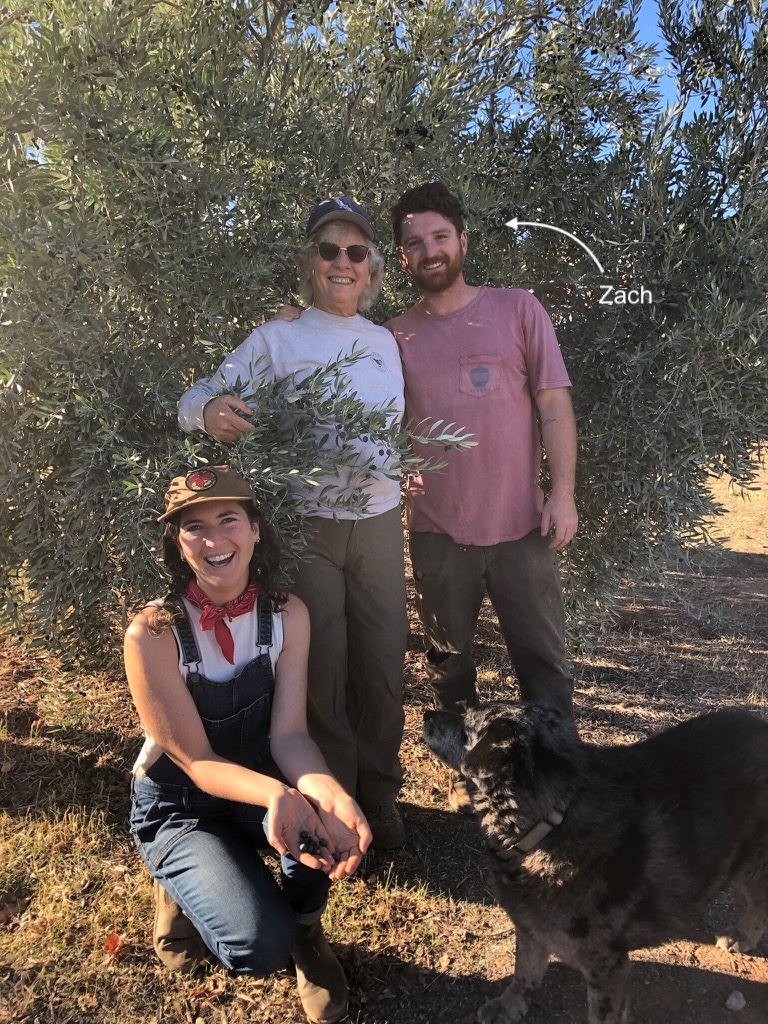
What’s your favorite food?
This is such a hard question, but right now I would say a ham and cheese sandwich on a baguette with lots of butter and an espresso.
What do you enjoy about your work?
Currently, I am working as a researcher studying recent housing policy in Washington State. This is a new experience for me, having never done academic research before. Most of the research is qualitative in nature, and we are interviewing stakeholders involved in the political process from advocates to lobbyists to legislators. My favorite thing has been getting to hear how different each perspective can be on the same story, and really learning how the sausage gets made at the state level in Washington.
What do you find challenging about your work?
I think the hard part is trying to take a bunch of different narratives and perspectives, sometimes conflicting, and turning it into a cohesive story. At the same time, unpacking this complexity is also very interesting and fun.
What areas of the food system do you encounter or focus on in your work? Where does food fit in with the rest of the work that you do?
I recently entered the world of planning about two years ago at the age of 30. Prior to that most of my career had been in various parts of the food industry. I’ve worked in farm-to-table restaurants, cafes, wine/cheese shops, growing, and even started an ice cream company.
Do you consider yourself a food systems planner? Why or why not?
Not yet, but I hope to be!
Who has had the most influence on you as a planner? As a food systems planner?
The last couple years have been a deep dive into planning and the biggest influences have come from books, podcasts, and professors at UW. The list that comes to mind is Jane Jacobs (Death and Life of Great American Cities), Nolan Grey (Arbitrary Lines), Gregg Colburn (Homelessness is a Housing Problem), Shane Philips (UCLA Housing Voice Podcast), The Urbanist (Seattle-based publication), Vince Wang (Professor at UW and mentor/advisor), and all the amazing advocates and organizers working towards more sustainable and livable urban spaces in Seattle and Washington.
I also spent a year and a half interning with a land use consulting firm for development, which gave me the opportunity(?) to read and analyze zoning codes and development regulations around the country. This experience, often painful, gave me a lot of exposure to how planning happens today in the US.
What do you wish you would have known before going to planning school?
I wish I had known how fast it would fly by! Also, I wish I had a more solid grasp on GIS and microeconomics.
How has your perception of food systems planning changed since you first entered the planning field?
Prior to entering the planning field, I thought that food systems planning would be a
more developed field. I imagined that most jurisdictions would have had at least one person responsible for food systems planning, even if it wasn’t their only role. Really, it turns out that most planning departments don’t have anyone focusing on food systems.
I guess in many ways it’s unsurprising that this is the case, since most planning happens at the local level and food systems have mostly been removed from the local sphere. Also, it seems planning departments already have so much on their plates that the resources often don’t exist, or aren’t allocated, to focus on food systems.
Do you have any advice for someone entering the food systems planning field?
No, but I’d love to hear yours! Would love to grab a coffee (virtual or in-person if near Seattle) with anyone interested in sharing their experience.

