
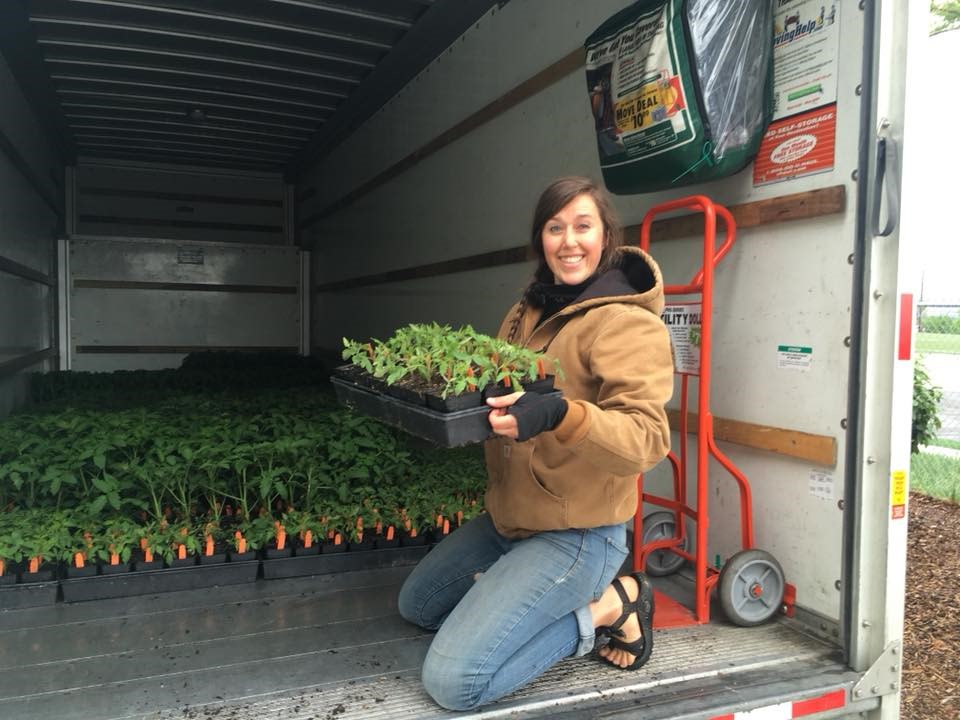
Faces of Food Systems Planning: Maria Schwarz

Maria Schwarz was elected to the APA Food Systems Division Executive Committee, and will be serving as Vice Chair for the 2026-27 term. In this Faces of Food Systems Planning post, Maria tells us about what it’s like to operate in a quickly-changing political environment, the (slow) pace of transformative change, and the steadfast superiority of toast.

Name: Maria Schwarz

Current Role: Food Systems Program Manager, Salt Lake City Sustainability Department

  1. What’s your favorite food?
    • Toast! So many options for toppings and endless varieties of bread. Good for any time of day 😊
  2. What areas of the food system do you focus on in your work, and where does that fit in with the rest of the work that you do?
    • I work on a little bit of everything in the food system. Recently, we have focused our efforts in Salt Lake City more on research and planning, so I’ve had a really broad view of our food system and trying to understand the local food landscape from production and supply chains to access and waste management as well as community priorities for food action. That said, we do have active programs that are working in the urban agriculture space. I manage a grant program that helps residents and community groups with their food production and access projects, and I collaborate with our public lands department and community partners to support community garden and urban farming programs. Food systems are built from relationships, so I try to build that network internally across departments and connect our food systems work into our city’s top priorities like affordability, economic opportunity, and environmental health.
  3. What do you enjoy about your work?
    • I’m never bored. Food systems work is so diverse, dynamic, and connected to other fields so there is always something new to learn. It also feels like this work makes a positive difference in my community and is fundamentally important for the health of people and planet. Everyone can connect over food, so there’s just a huge community of smart and caring people that I get to collaborate with both at a local level and beyond where I live. I’m really grateful that I get to work and learn in this space.
  4. What do you find challenging about your work?
    • Food systems planning and policy isn’t broadly understood. I spend a lot of time educating about what the food system is and how it relates to other fields of work. There is this sense that the food system kind of just happens and our food just is there, so there isn’t the need or urgency for action or investments in a focused way. The immense complexity of the food system and how it is tied into global, national, regional, and local policies and infrastructure also makes it kind of daunting to engage with this work. Once people can see a connection between food and something they are passionate about or that impacts the work they do, however, I think they are willing to learn more and engage. That is my hope and where I’m focusing my energy so that we can move food systems planning from this place of invisibility to something we can actively collaborate on to improve.
  5. Do you consider yourself a food systems planner? Why or why not?
    • Yes. Working for a municipality means we are uniquely positioned to influence our community through the planning work we do and the land use and resource allocation decisions we make. Cities understand their role as leaders in urban planning and if we can plan for housing, transportation, green spaces, and economic development, then we are planning for food systems as well. I see it as my job to make food visible in that planning process and take intentional steps to make healthy, affordable, and culturally relevant food more available to our community. By talking about myself as a planner and presenting food work as urban planning, I think it makes it more approachable to other city practitioners to engage in this work as well.
  6. What is the biggest food systems planning-related hurdle your community/organization faced in recent years and how was it dealt with?
    • Responding to the constantly and quickly changing political environment right now has been really hard on food work, especially from a food justice and diversity, equity, and inclusion (DEI) perspective. We must stay rooted in those values even as we are having to adjust the language we use to describe some of our programs to remain legally compliant as a city with new state and federal legislation.
    • The other, more localized challenge we have is that our city and region is growing so fast right now and we are facing really intense land development pressures. The growth we have experienced in the past decade or so coupled with our unique geography has had an especially hard impact on our local farmers and other urban growers. A lot of farms and community gardens have lost their land to new developments, often housing (which is also a critical need), and we’re losing the community connections and knowledgeable growers along with those spaces. The increase in the cost of living here also makes any remaining land totally unaffordable. We are working to raise awareness of this issue, protect our remaining growing spaces, and find creative solutions to ensure we can continue to support local food production alongside the growth.
  7. How has your perception of food systems planning changed since you first entered the planning field?
    • I think I have grown a deeper appreciation for the truly long-term nature of this work. I really feel urgency to contribute to transformative change in food systems because there are so many things that are not working to the health and wellbeing of our communities and environment. I kind of came in with the expectation that others shared my priorities and were ready to take quick actions. One of the best pieces of advice I have been given (from Noel Didla, an incredible food justice activist, academic, and community capacity builder) is to think of food systems work as collaborative generational work. The transformative change we want to see won’t be fast and can’t be fast. It has to be deeply rooted and radically inclusive and that takes time (generations, not six months) to build. I’m still working toward the patience that that demands and probably always will be, but it has also given me a healthier perspective on what justice-centered food systems change looks like and my role in building toward that vision.
  8. Who has had the most influence on you as a planner? As a food systems planner?
    • I have learned from so many amazing folks that have influenced how I approach my work. I think the person who stands out most to me is one of the predecessors in my role, Supreet Gill. She worked in Salt Lake City’s urban agriculture and food access field for a long time and was such a great role model of community-centered solution building. Her passion for an equitable food system and deep local knowledge of this place showed in the ways she built relationships and found effective levers of change within our city. She really led by example to ensure programs and policies centered the people most impacted by them and that we build from a place of shared values and equal power.
  9. Do you have any advice for someone entering the food systems planning field? What makes you successful in your work? What skills do you use the most in your food systems planning-related work?
    • My advice is to include food systems planning as a lens in whatever it is you are doing. There aren’t too many dedicated roles for food systems planning (yet!), so we need “food systems” people in all fields. I’d say start where you are and with the food connection that is most readily available from where you’re working.
    • The skills I rely on most are relationship building and strategic planning skills. Since I work across so many different areas of the food system and urban issues, I need to have enough understanding of what is going on to ask effective questions and then root ideas/actions in the values and goals our community network shares. It’s also important that I know where some of my weaknesses are and take that as an opportunity to ask for help and collaborate with people who are more skilled than me. I get to learn from them and build a team which is great because you cannot do this work alone.
  10. What do you wish you would have known before going to planning school? (If you didn’t go to planning school, but came to this work from an allied field, what did you study and what do you wish you would have known before starting your work in food systems?)
    • I don’t have a formal planning background. I have a master’s degree in public administration, and my undergraduate degrees are in anthropology and intercultural communications. My education helped me to better understand human systems and community building with diverse groups. After school, I spent a lot of time working in community-based organizations before I moved into my role in local government. I really value having experience in running direct service programs and knowing where some of the challenges are from that practical level and using that to inform how to be most helpful now that I’m in a more policy/systems focused role. The biggest learning curve for me in that transition has been the slower pace of government work. I wish I had understood more about how to work on that timeline and set expectations around long-term change before I started.
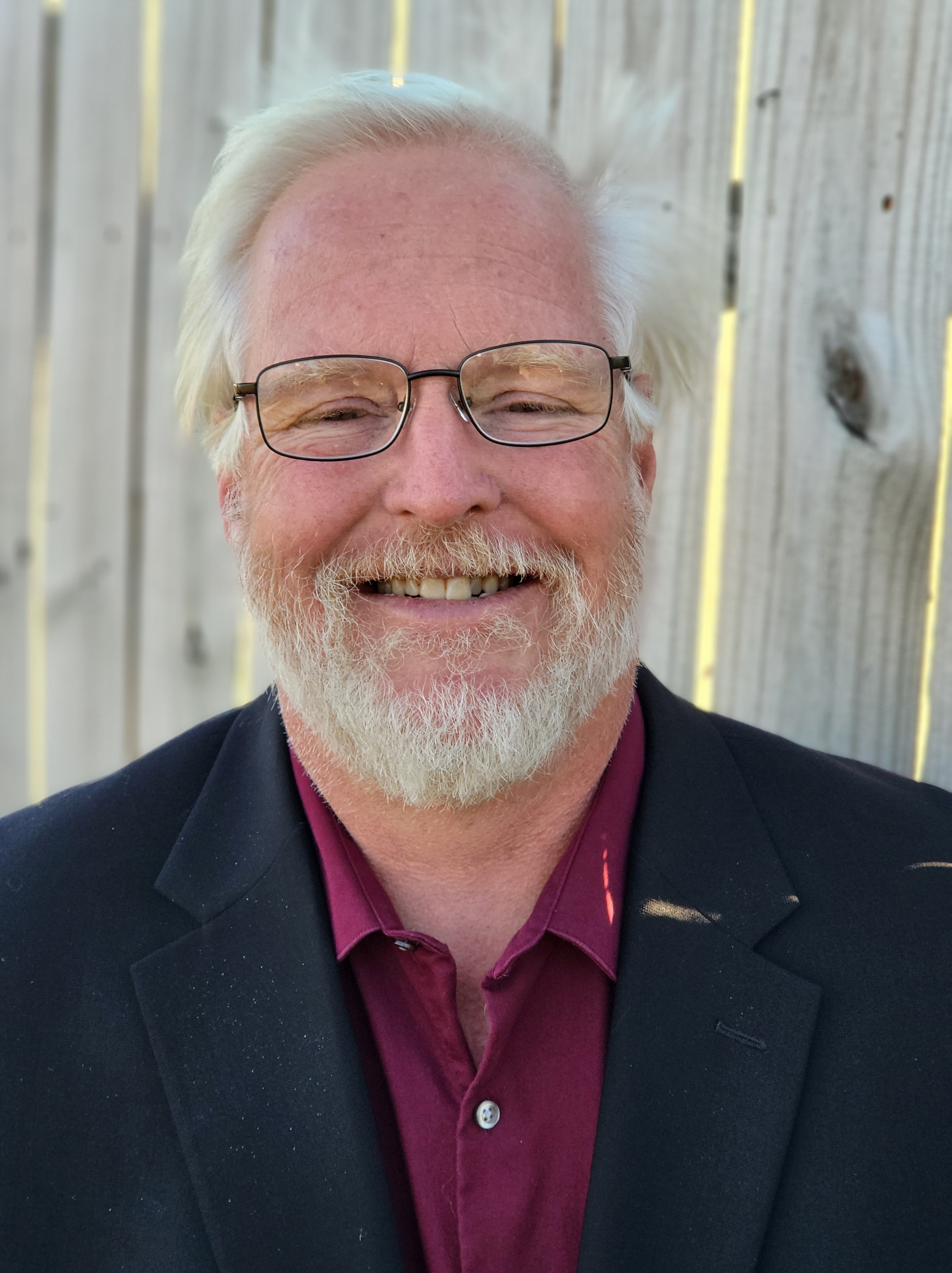
Faces of Food Systems: Chad Nabity

Chad Nabity, AICP is the Community Development Director for the City of Grand Island, Nebraska, and the Planning Director for the Hall County Regional Planning Department. In addition to his day job, Chad is the Divisions Council Chair for the American Planning Association, and a farmer! Chad is one of APA FOOD’s longest-running supporters, and we are thrilled to feature him for Food Systems Planning Month!

What’s your favorite food?

It depends on the time of year and what is available. If I had to pick one I would say tomatoes. On my farm, we grow more than 30 different varieties and plant more than 150 plants every year.

What do you enjoy about your work?

I like to think that my work is helping make my hometown a better and more successful community. I like working with all of the other people involved in development of the city and county including the elected officials, planning commissioners, engineers, developers and property owners.

What do you find challenging about your work?

The most challenging part of the job is watching people make decisions that I think are mistakes. Usually this is done by elected officials and they get the final say. When this happens, it is an opportunity to teach good planning principles and open discussions on the long term impacts of decisions.

What areas of the food system do you focus on in your work, and where does that fit in with the rest of the work that you do?

I am the planning director for a city of more than 50,000 and the county it is located in. Our primary employment sector is based on agriculture, production, processing, and manufacturing. While not expressly stated in our 2004 comprehensive plan, food systems are essential for our economic wellbeing. In most cases this is conventional agriculture and processing, but I am working to make sure that we can and do support and allow more local, small-scale, and sustainable food systems within our plans and regulations.

Do you consider yourself a food systems planner? Why or why not? 

Food systems is not my primary planning responsibility, but it is one of my passions. I would say avocation rather than vocation. This avocation is one of the reasons that I spend my personal time gardening and running a small CSA.

What is the biggest food systems planning-related hurdle your community/organization faced in recent years and how was it dealt with?

We spent about 18 months modifying our confined animal feeding operation regulations within the County. The process involved feed lot operators, attorneys, elected officials, planning commissioners, staff and the general public. The process ended with updated regulations that made small to mid-sized operations permitted uses as long as they could meet the performance criteria and receive approval from the State. We have not had any new operations since the regulations were put into place but that is likely more a function of the amount of our agricultural ground in crop production.

How has your perception of food systems planning changed since you first entered the planning field?

Food systems are recognized as a vital part of local planning. When I began my career, this would not even have been part of the curriculum or discussed at conferences, even in an agricultural based state like Nebraska.

Who has had the most influence on you as a planner? As a food systems planner?

Joe Luther, a professor at the University of Nebraska in Lincoln is the reason that I discovered and fell in love with this profession. Without his influence I would not have taken this path. He was also very involved with Nebraska and national APA and my involvement follows his example. Joel Salatin has influenced me as a food systems planner. His plain spoken, practical thoughts on the modern food system and his methods of creating his own place in that system push me to rethink what I “know” and accept new ways of thought regarding food, especially local food production.

Do you have any advice for someone entering the food systems planning field? What makes you successful in your work? What skills do you use the most in your food systems planning-related work?

My first piece of advice is remember why you got into this field. Does that still resonate with who you want to be and what you want to accomplish during your career? It is ok to move on to other interests and other areas of planning if that is where life takes you, but if this is still your passion, follow it.

My second piece of advice would be that you can likely incorporate food systems planning into any planning related job if you view your activities through a food systems lens. The ability of planners to apply specific lenses–whether it is food systems, EDI, bike/ped or any other lens–is one of the most valuable things that we bring to the table when working with allied professionals. We have the ability and training to synthesize information and complex problems when recommending solutions to decision makers.

What did you study and what do you wish you would have known before starting your work in food systems?

I know that for many people that enter planning it is a design oriented profession. I went to graduate school in planning with a BA in English and Anthropology. For me planning has always been a people-oriented process and an exercise in applied anthropology. Food, water, and shelter are the base of Maslow’s pyramid. Good planning should make those basic needs available and accessible. Good planning is about people and creating possibilities for people to expand their horizons. The ability to access food is one of the basic components of those higher goals.

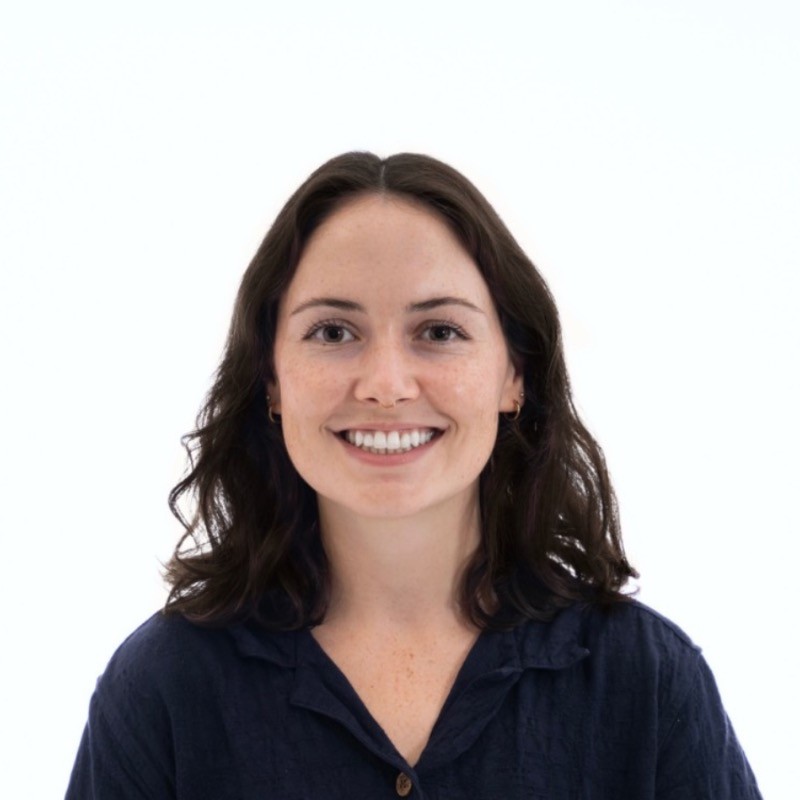
Faces of Food Systems: Tia Schwab

Tia Schwab is Policy Advisor for the New York City Mayor’s Office of Food Policy (MOFP). She received her Masters of Food and Agriculture Law and Policy in 2022. Tia conducts food policy research and analysis, and her portfolio includes the NYC Good Food Purchasing program, climate and environment, and food education.

What’s your favorite food?

Fried avocado tacos and chips and queso—or really any Tex-Mex. (I grew up in Austin!)

What do you enjoy about your work?

I love how interdisciplinary it is – food systems work touches health, education, sustainability, climate, equity, and city/regional planning. I get to work with and learn from people across different government agencies and community organizations. I also get to work on food in a variety of settings, like schools, hospitals, shelters, food pantries, older adult centers, detention centers, community centers, and more.

What do you find challenging about your work?

Changing the status quo can be challenging. Improving the food system requires shifting how we grow, package, store, buy, distribute, and discard food, and inertia is powerful–it’s easier to continue doing what we’re doing than to try something new. However, there are talented and passionate people and organizations driving systems-level change forward.

What areas of the food system do you focus on in your work, and where does that fit in with the rest of the work that you do?

Each year, NYC spends over $300M on food and meals served at the city’s schools, older adult centers, shelters, hospitals, pantries, detention facilities, and more. I implement NYC’s Good Food Purchasing framework, which aims to align the city’s food purchases with the values of nutrition, environmental sustainability, local economies, animal welfare, and a valued workforce. I coordinate across city agencies to ensure that meal programs offer choices that are healthy, delicious, culturally relevant, and good for the planet, and this all starts with the food we buy.

Good Food Purchasing intersects with my other portfolio areas of climate and environment, food education, and business and labor. With our food purchasing data, our goal is to decrease the CO2-equivalent emissions of our food purchases by 33% by 2030 and (year over year) increase the dollar spend going to New York State businesses and to minority- and women-owned businesses. I also work on expanding culinary training and nutrition education in a variety of settings across the city. Increasing the preparation and consumption of healthy, delicious meals requires an investment in the city’s culinary workforce and in food education.

Do you consider yourself a food systems planner? Why or why not? 

Yes—at MOFP, I work with a variety of stakeholders to plan and create a healthier, more sustainable, and more equitable food system in NYC.

What is the biggest food systems planning-related hurdle your community/organization faced in recent years and how was it dealt with?

Like in many other cities, the COVID-19 pandemic caused a dramatic increase in food insecurity in New York City. However, the city mobilized quickly to support vulnerable New Yorkers. It expanded the school meal program to serve three free meals per weekday to all children and adults in need, provided pantries with staffing support and $50 million in funding, implemented an emergency home-delivered meals program for seniors and other at-risk groups, connected large food businesses with PPE manufacturers and donated PPE to smaller grocery stores in highly-impacted areas, provided free childcare for grocery workers and other essential employees, and much more. The city’s response to COVID-19 addressed immediate food needs while creating a plan for improving food system resilience in the longer term.

How has your perception of food systems planning changed since you first entered the planning field?

When I first entered the planning field, my thinking on food systems planning was informed by the importance of addressing immediate needs with advancing upstream strategies for the future, such as investing in food pantries while building regional food hubs. My work in local government has taught me the importance of implementing realistic or pragmatic solutions (under legal or economic realities, for example) while pushing for idealistic, ‘game-changing’ solutions. Neither should be ignored in creating a better food system.

Who has had the most influence on you as a planner? As a food systems planner?

My professor and mentor in college, Dara Olmsted Silverstein, has had the most influence on my path as a food systems planner. My senior year, I took a year-long class with Dara called “Designing Your Pathway to Impact in the Food System,” where we got to explore different career paths, conduct informational interviews with people we admired, and go on field trips to see food systems work in action. There’s not always space in degree programs for self-guided study or exploration, but Dara championed it and encouraged me to test drive different career paths after graduation. Since then, she has continued to support me with advice about navigating job changes, new degrees, and moves to new cities. (And as a bonus, Dara was my manager for my on-campus job in the dining hall food gardens and microgreens greenhouse, so she also inspired an appreciation for the power of growing your own food!)

Do you have any advice for someone entering the food systems planning field? What makes you successful in your work? What skills do you use the most in your food systems planning-related work?

The skills I use the most (and that make me the most successful) are communication, relationship building, and project management. My work requires coordinating across people and teams, in and out of government, to advance projects and track progress. I have always learned the most relevant ‘topical’ knowledge on the job, so supplement your food systems expertise with transferrable skills like writing, public speaking, and problem solving.

What did you study and what do you wish you would have known before starting your work in food systems?

I studied human biology with a focus on food systems and public health as an undergraduate, and I completed my master’s degree in food and agriculture law and policy. Looking back, I would tell myself that you don’t need to have your whole career path figured out; just follow the opportunities that excite you along the way. You will be most effective in driving food systems transformation by working on topics that interest you with people that inspire you.