
Name: Molly Riordan
Current Position: Good Food Purchasing Coordinator, City of Philadelphia
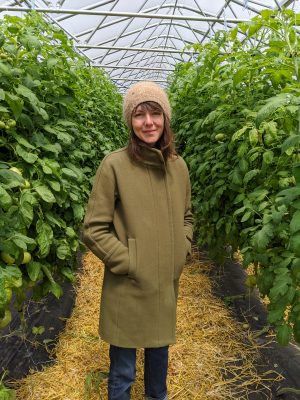
Molly is currently the Good Food Purchasing Coordinator at the City of Philadelphia Department of Public Health Division of Chronic Disease & Injury Prevention. She is responsible for helping implement the City’s Nutrition Standards and increase the amount of local, sustainably-grown, fairly-produced food the City purchases for its food programs at its prisons, summer and after school programs, homeless shelters, and other congregate settings. Beyond purchasing, her work includes policy and program development to support a good food economy in Philadelphia.
Molly earned her Master’s in Regional Planning from Cornell University, and has worked at the intersection of agriculture and economic development through several nonprofits and academic roles. She was a lead author of The Promise of Urban Agriculture, a national study of commercial farming in urban areas, and of Good Eats, an assessment of the Philadelphia food economy’s potential to support health, equity, and economic growth.
What do you enjoy about your work? I get to explore new ideas about what a good food future looks like, and figure out ways to make it happen. The “how” is always more complicated, but working within the confines of a public agency makes me stretch my creative muscles to figure out new ways to achieve that future.
Similarly, what do you find challenging about your work? One of the most challenging parts of my work at the City is raising the profile of food as a priority area. Food system planners know that food cuts across so many other priority areas for city leaders: land use, housing, small business development, large business attraction, health, waste reduction, gardening & farming, education, climate resilience and adaptation, and on and on. But governments don’t often look at systems: they look at specific issues and how to solve the problem at hand. It’s hard to keep people’s attention long enough to explain what “good food” means, let alone get them to envision the multi-pronged approach to realizing a good food economy.
What areas of the food system do you focus on in your work, and where does that fit in with the rest of the work that you do? The core of my work is focused on food programs funded via public dollars, but to change that food I engage distributors, manufacturers, and restaurants. That means my work is wide-ranging: I work with distributors to develop reporting metrics to find out what percent of City food comes from regional sources; I work with the Drexel Food Lab to engage manufacturers in producing lower-sodium foods that meet good food criteria. I work with groups engaged in urban agriculture and waste reduction to create intersections and synergies that support our vision for a good food future. My work is seeing those synergies through, and every day is different.
Do you consider yourself a food systems planner? Why or why not? I do consider myself a food systems planner, because while I’m not focused on land use policy or economic development, my work hinges on understanding interrelationships across the food system and developing policy and program recommendations that can advance positive change in one area without having negative consequences in another area. The “plans” may not look like what most planners think of when they think “plan,” but the functions are the same.
What is the biggest food systems planning-related hurdle your community/organization faced in recent years and how was it dealt with? Philadelphia has a deep history of urban agriculture, primarily through the work of people of color and especially Black farmers and gardeners. And while the City made some concessions to urban agriculture and ran some of its own programming, there was no plan in place to support growers in securing land and resources to continue to farm. Through a multi-year effort led by urban agriculture advocates and supported by City leaders, staff, and elected officials, we finally got the funding to hire an Urban Agriculture Director who is leading the process of developing an urban ag plan for Philadelphia. It is a strong process rooted in community engagement and undoing white supremacy, and it would not have been possible if that urban agriculture community had not worked together for years to make it happen.
How has your perception of food systems planning changed since you first entered the planning field? It is a lot more varied than what I had originally envisioned, where you are either the Food Policy Director of a city or working for a handful of consulting firms. There are so many ways to work in this field that, on their face, have nothing to do with planning, but in which a planning background truly sets a person apart.
Who has had the most influence on you as a planner? As a food systems planner? Susan Christopherson was my advisor at Cornell and initially woke me up to regional economic development through cluster activities. Becca Jablonski was earning her PhD at Cornell at the same time, and I had the opportunity to work with her on an economic impact assessment of a regional food hub that laid the foundation for the creation of the Local Food Impact Calculator. Working with Becca set me on my path to understanding the potential for regional food distribution as a means of wealth creation in rural areas, and her work continues to inspire me and guide my upstream approach to food systems change.
Do you have any advice for someone entering the food systems planning field? What makes you successful in your work? What skills do you use the most in your food systems planning-related work? Talk to as many people doing the work you think you’re interested in as you can, and ask them questions. Also, see if they have any jobs available. I did not intern or work in the planning field before entering graduate school, and I think I would have asked more or different questions if I had. Asking others for their expertise—and everyone has expertise—is the primary thing that I learned from planning and what has helped me in my work. You can’t change things through sheer will or good ideas; you have to engage others’ expertise so that together you can come to a better solution than any single person alone could design.
What do you wish you would have known before going to planning school? How much of the most valuable learning happens outside of the classroom. I worked two part-time jobs while I was in grad school, so I did not have as much time as my classmates for volunteer work weekends or studios that took us off campus for several days at a time. I couldn’t have done much differently from a financial standpoint, but maybe I could have restructured some things to take full advantage of that off-campus learning.
How do you think COVID 19 will shape/change your job/food systems? When COVID-19 hit, it was like everyone who had ever eaten a meal was all of a sudden an expert in the food supply chain and emergency food provision. And while it was tough at first to bring other staff up to speed on what is and is not possible or ideal in that emergency moment, it did make food a priority in a way that it hadn’t been before. And then George Floyd’s murder and the protests for racial justice opened everyone’s eyes to the fact that inequitable food access is a consequence of systemic and institutional racism in the United States. The dual fights to end white supremacy and end food insecurity intersect in food systems planning, and I hope that we can finally use our tools to reshape a future that is better for all of us.

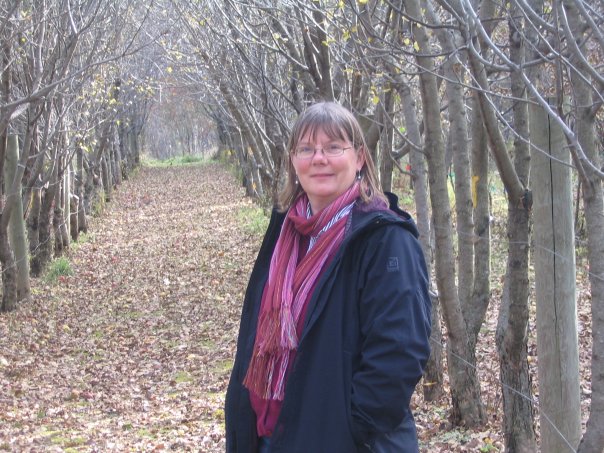 Marcia Caton Campbell is the executive director of the Center for Resilient Cities (CRC), a 501(c)(3) nonprofit organization based in Madison, WI. CRC’s work pulls together many “systems” of a neighborhood: how we build community, how we feed ourselves, how we educate our children, how we produce energy and manage natural resources, how we create jobs, and how we design buildings and reclaim our neighborhood spaces. Marcia has close to 20 years of experience in community-based planning and food systems planning, research, and practice. Prior to joining CRC in 2006, Marcia taught urban and regional planning at the University of Wisconsin–Madison, specializing in food systems planning, community-based planning, and environmental conflict resolution. Her research, teaching, and publications focused on consensus building and community-based planning with diverse publics, and multi-stakeholder conflict resolution. She is a member of the American Planning Association’s Food Interest Group Leadership Committee and serves on the City of Milwaukee’s Green Team, coauthoring ReFresh Milwaukee’s food systems chapter. She is co-author of
 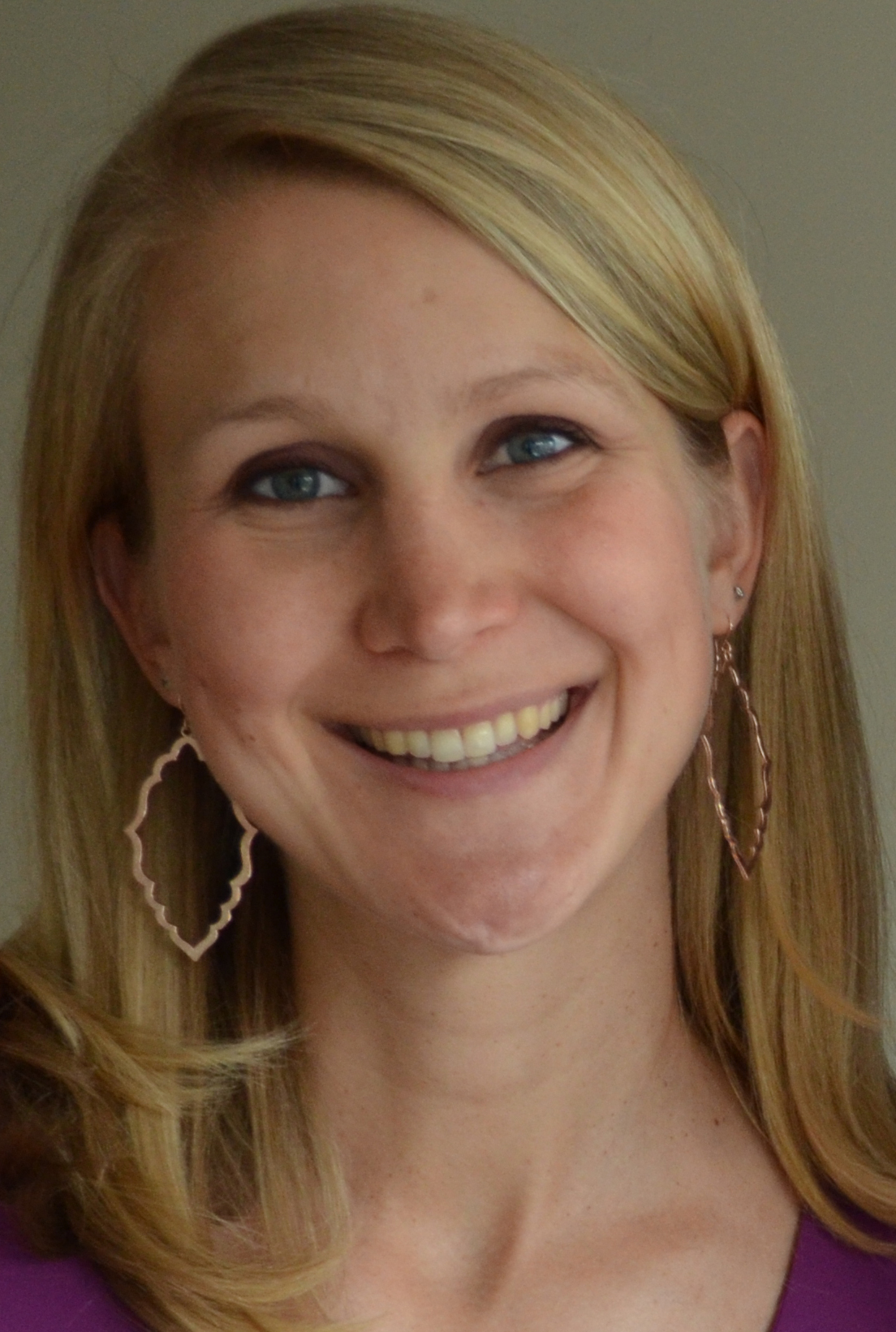 Kimberley Hodgson, MURP, MS, AICP, RD is the principal and founder of
 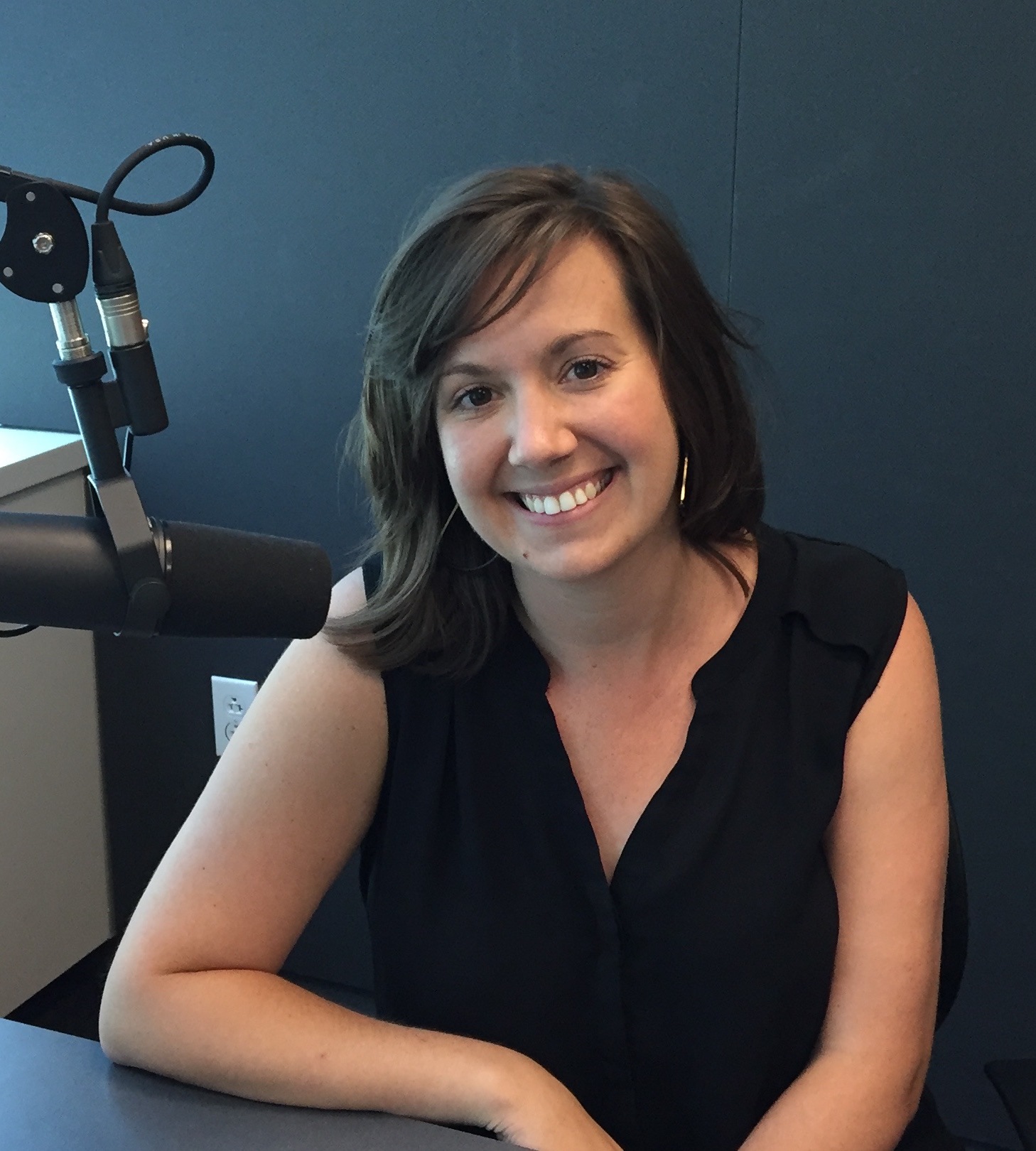 Megan Bucknum is ¾ faculty with the Department of Geography, Planning and Sustainability at Rowan University in New Jersey where she currently teaches planning courses, including food systems planning. As a consultant, she has worked on food projects throughout the country and has held staff positions at New Venture Advisors LLC, Philly CowShare, The Food Trust, Fair Food Philadelphia and the Wallace Center at Winrock International, as well as assisting with the University of Vermont’s inaugural Food Hub Management Certificate course. She has been a contributing author to a the planning guide
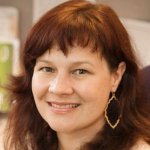 Andrea Petzel, AICP, is the principal of Broadview Planning, a women-owned consulting firm specializing in community planning and public engagement. Before founding Broadview Planning in 2014, Andrea was a project manager and senior urban planner for the City of Seattle. During her time at the City of Seattle, Andrea led the legislative process for the city’s Urban Agriculture Ordinance, one of the nation’s first comprehensive urban agriculture ordinances aimed at removing barriers to growing and producing local food. In 2016, Andrea made the shift from policy to practice by starting her own backyard urban farm, Alouette Acres.
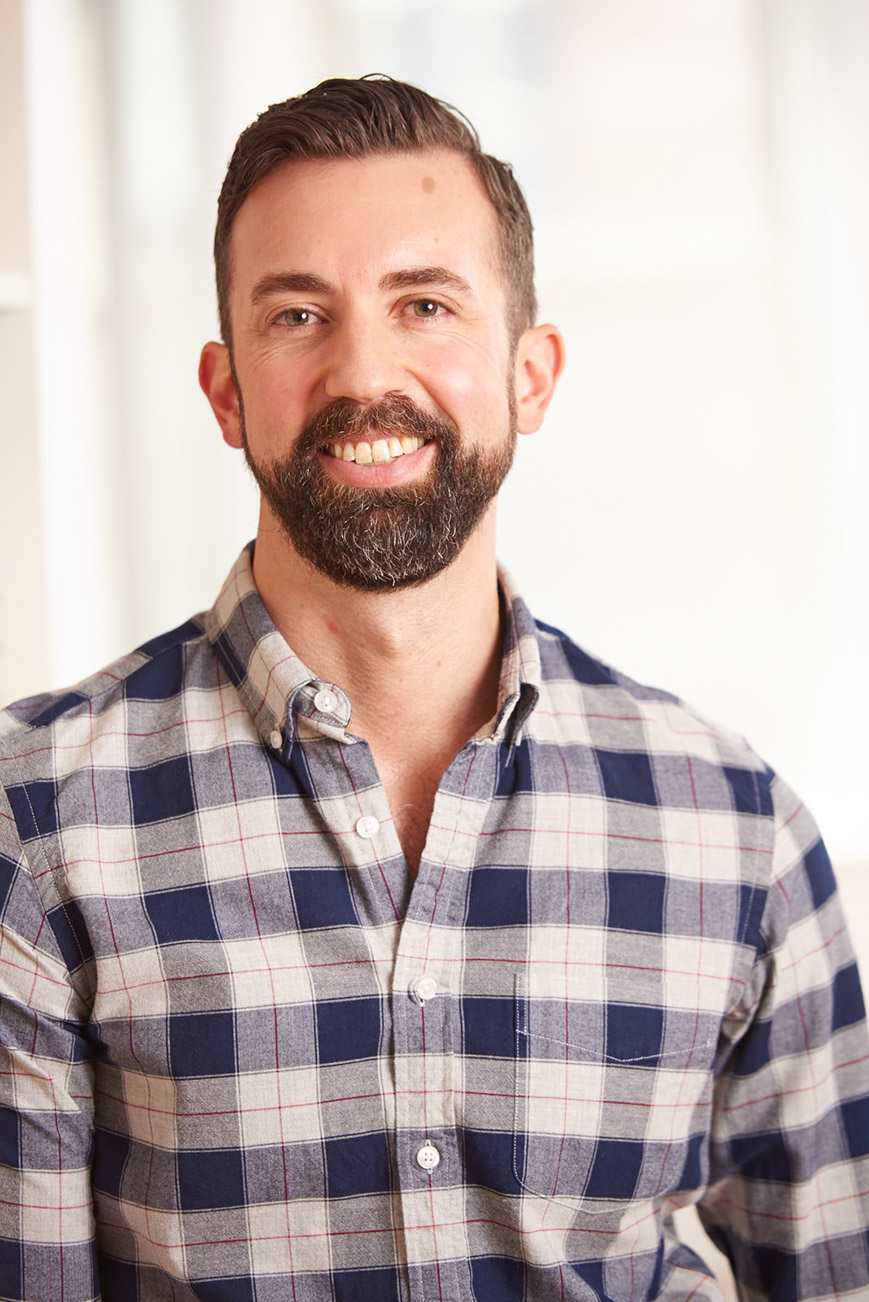 Ben Kerrick has been a consultant with
  Laine Cidlowski, AICP, LEED-AP is the Food Policy Director for the District of Columbia Office of Planning in Washington, DC. She was previously the Lead Urban Sustainability Planner for the Office of Planning where she was the project manager for the Office of Planning for the
 APA FOOD