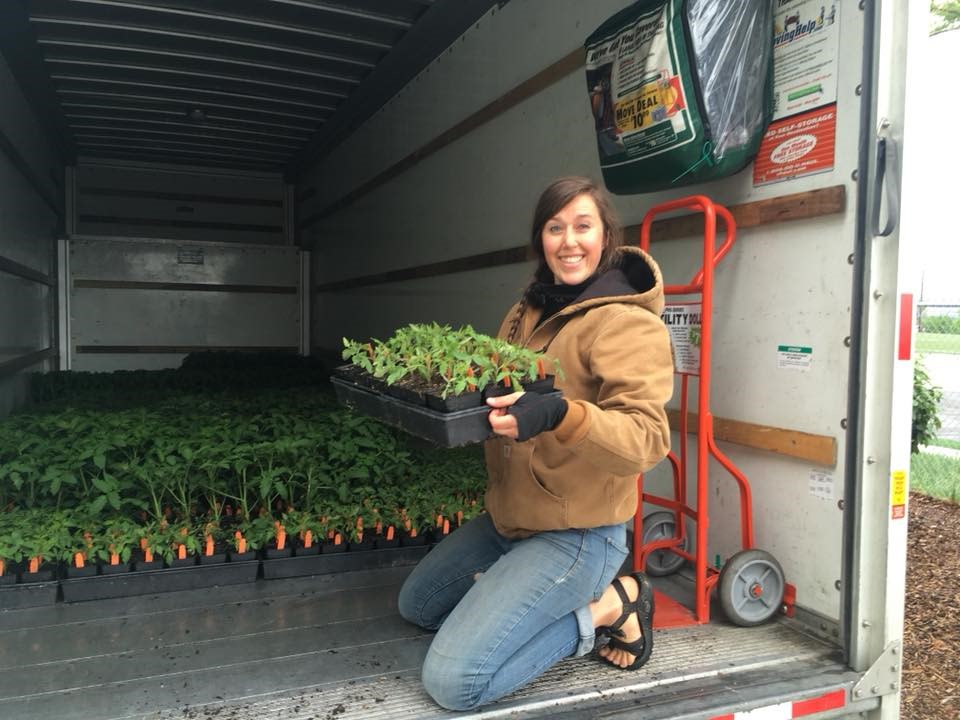
Maria Schwarz was elected to the APA Food Systems Division Executive Committee, and will be serving as Vice Chair for the 2026-27 term. In this Faces of Food Systems Planning post, Maria tells us about what it’s like to operate in a quickly-changing political environment, the (slow) pace of transformative change, and the steadfast superiority of toast.
Name: Maria Schwarz
Current Role: Food Systems Program Manager, Salt Lake City Sustainability Department
- What’s your favorite food?
- Toast! So many options for toppings and endless varieties of bread. Good for any time of day 😊
- What areas of the food system do you focus on in your work, and where does that fit in with the rest of the work that you do?
- I work on a little bit of everything in the food system. Recently, we have focused our efforts in Salt Lake City more on research and planning, so I’ve had a really broad view of our food system and trying to understand the local food landscape from production and supply chains to access and waste management as well as community priorities for food action. That said, we do have active programs that are working in the urban agriculture space. I manage a grant program that helps residents and community groups with their food production and access projects, and I collaborate with our public lands department and community partners to support community garden and urban farming programs. Food systems are built from relationships, so I try to build that network internally across departments and connect our food systems work into our city’s top priorities like affordability, economic opportunity, and environmental health.
- What do you enjoy about your work?
- I’m never bored. Food systems work is so diverse, dynamic, and connected to other fields so there is always something new to learn. It also feels like this work makes a positive difference in my community and is fundamentally important for the health of people and planet. Everyone can connect over food, so there’s just a huge community of smart and caring people that I get to collaborate with both at a local level and beyond where I live. I’m really grateful that I get to work and learn in this space.
- What do you find challenging about your work?
- Food systems planning and policy isn’t broadly understood. I spend a lot of time educating about what the food system is and how it relates to other fields of work. There is this sense that the food system kind of just happens and our food just is there, so there isn’t the need or urgency for action or investments in a focused way. The immense complexity of the food system and how it is tied into global, national, regional, and local policies and infrastructure also makes it kind of daunting to engage with this work. Once people can see a connection between food and something they are passionate about or that impacts the work they do, however, I think they are willing to learn more and engage. That is my hope and where I’m focusing my energy so that we can move food systems planning from this place of invisibility to something we can actively collaborate on to improve.
- Do you consider yourself a food systems planner? Why or why not?
- Yes. Working for a municipality means we are uniquely positioned to influence our community through the planning work we do and the land use and resource allocation decisions we make. Cities understand their role as leaders in urban planning and if we can plan for housing, transportation, green spaces, and economic development, then we are planning for food systems as well. I see it as my job to make food visible in that planning process and take intentional steps to make healthy, affordable, and culturally relevant food more available to our community. By talking about myself as a planner and presenting food work as urban planning, I think it makes it more approachable to other city practitioners to engage in this work as well.
- What is the biggest food systems planning-related hurdle your community/organization faced in recent years and how was it dealt with?
- Responding to the constantly and quickly changing political environment right now has been really hard on food work, especially from a food justice and diversity, equity, and inclusion (DEI) perspective. We must stay rooted in those values even as we are having to adjust the language we use to describe some of our programs to remain legally compliant as a city with new state and federal legislation.
- The other, more localized challenge we have is that our city and region is growing so fast right now and we are facing really intense land development pressures. The growth we have experienced in the past decade or so coupled with our unique geography has had an especially hard impact on our local farmers and other urban growers. A lot of farms and community gardens have lost their land to new developments, often housing (which is also a critical need), and we’re losing the community connections and knowledgeable growers along with those spaces. The increase in the cost of living here also makes any remaining land totally unaffordable. We are working to raise awareness of this issue, protect our remaining growing spaces, and find creative solutions to ensure we can continue to support local food production alongside the growth.
- How has your perception of food systems planning changed since you first entered the planning field?
- I think I have grown a deeper appreciation for the truly long-term nature of this work. I really feel urgency to contribute to transformative change in food systems because there are so many things that are not working to the health and wellbeing of our communities and environment. I kind of came in with the expectation that others shared my priorities and were ready to take quick actions. One of the best pieces of advice I have been given (from Noel Didla, an incredible food justice activist, academic, and community capacity builder) is to think of food systems work as collaborative generational work. The transformative change we want to see won’t be fast and can’t be fast. It has to be deeply rooted and radically inclusive and that takes time (generations, not six months) to build. I’m still working toward the patience that that demands and probably always will be, but it has also given me a healthier perspective on what justice-centered food systems change looks like and my role in building toward that vision.
- Who has had the most influence on you as a planner? As a food systems planner?
- I have learned from so many amazing folks that have influenced how I approach my work. I think the person who stands out most to me is one of the predecessors in my role, Supreet Gill. She worked in Salt Lake City’s urban agriculture and food access field for a long time and was such a great role model of community-centered solution building. Her passion for an equitable food system and deep local knowledge of this place showed in the ways she built relationships and found effective levers of change within our city. She really led by example to ensure programs and policies centered the people most impacted by them and that we build from a place of shared values and equal power.
- Do you have any advice for someone entering the food systems planning field? What makes you successful in your work? What skills do you use the most in your food systems planning-related work?
- My advice is to include food systems planning as a lens in whatever it is you are doing. There aren’t too many dedicated roles for food systems planning (yet!), so we need “food systems” people in all fields. I’d say start where you are and with the food connection that is most readily available from where you’re working.
- The skills I rely on most are relationship building and strategic planning skills. Since I work across so many different areas of the food system and urban issues, I need to have enough understanding of what is going on to ask effective questions and then root ideas/actions in the values and goals our community network shares. It’s also important that I know where some of my weaknesses are and take that as an opportunity to ask for help and collaborate with people who are more skilled than me. I get to learn from them and build a team which is great because you cannot do this work alone.
- What do you wish you would have known before going to planning school? (If you didn’t go to planning school, but came to this work from an allied field, what did you study and what do you wish you would have known before starting your work in food systems?)
- I don’t have a formal planning background. I have a master’s degree in public administration, and my undergraduate degrees are in anthropology and intercultural communications. My education helped me to better understand human systems and community building with diverse groups. After school, I spent a lot of time working in community-based organizations before I moved into my role in local government. I really value having experience in running direct service programs and knowing where some of the challenges are from that practical level and using that to inform how to be most helpful now that I’m in a more policy/systems focused role. The biggest learning curve for me in that transition has been the slower pace of government work. I wish I had understood more about how to work on that timeline and set expectations around long-term change before I started.
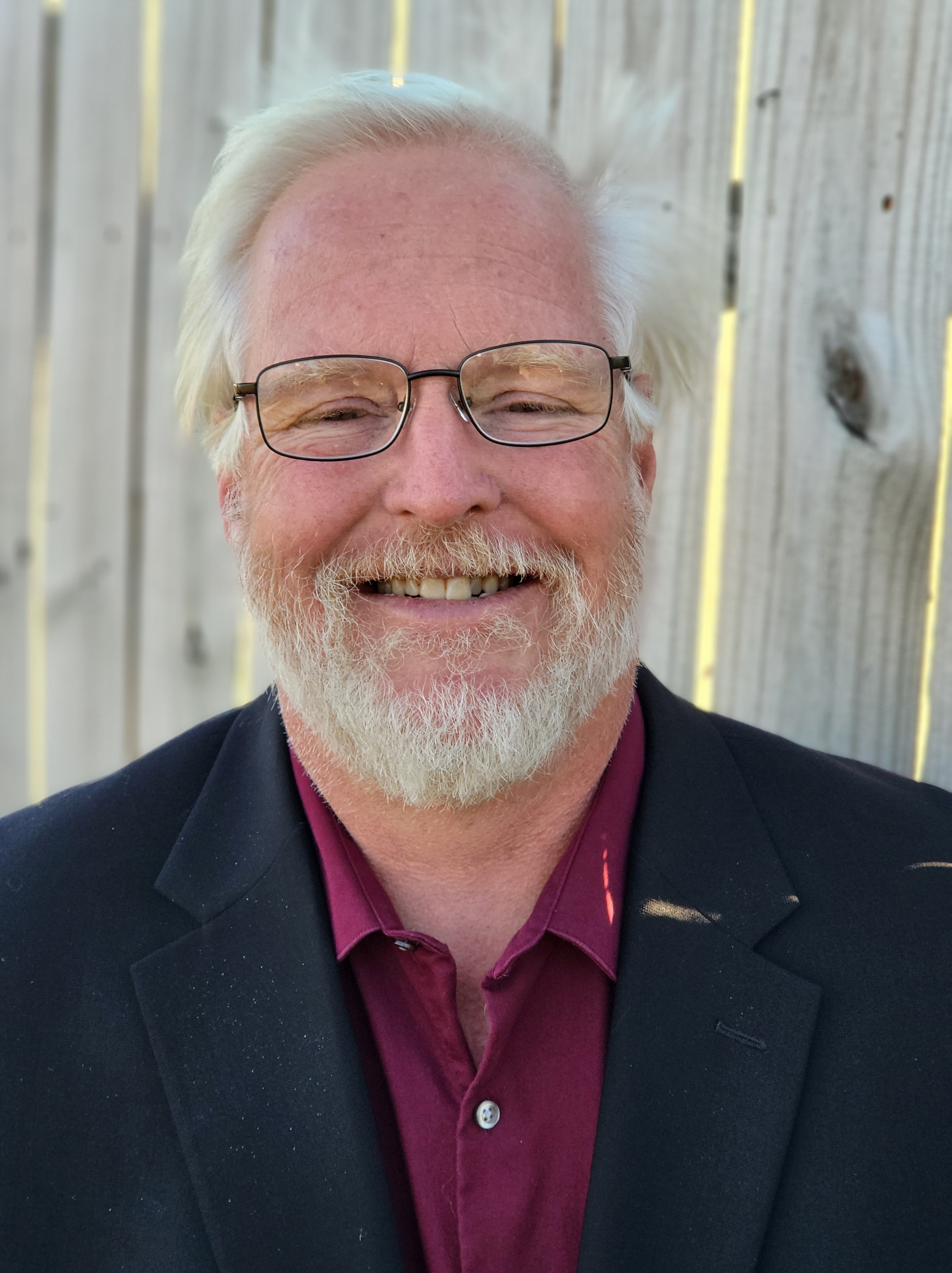


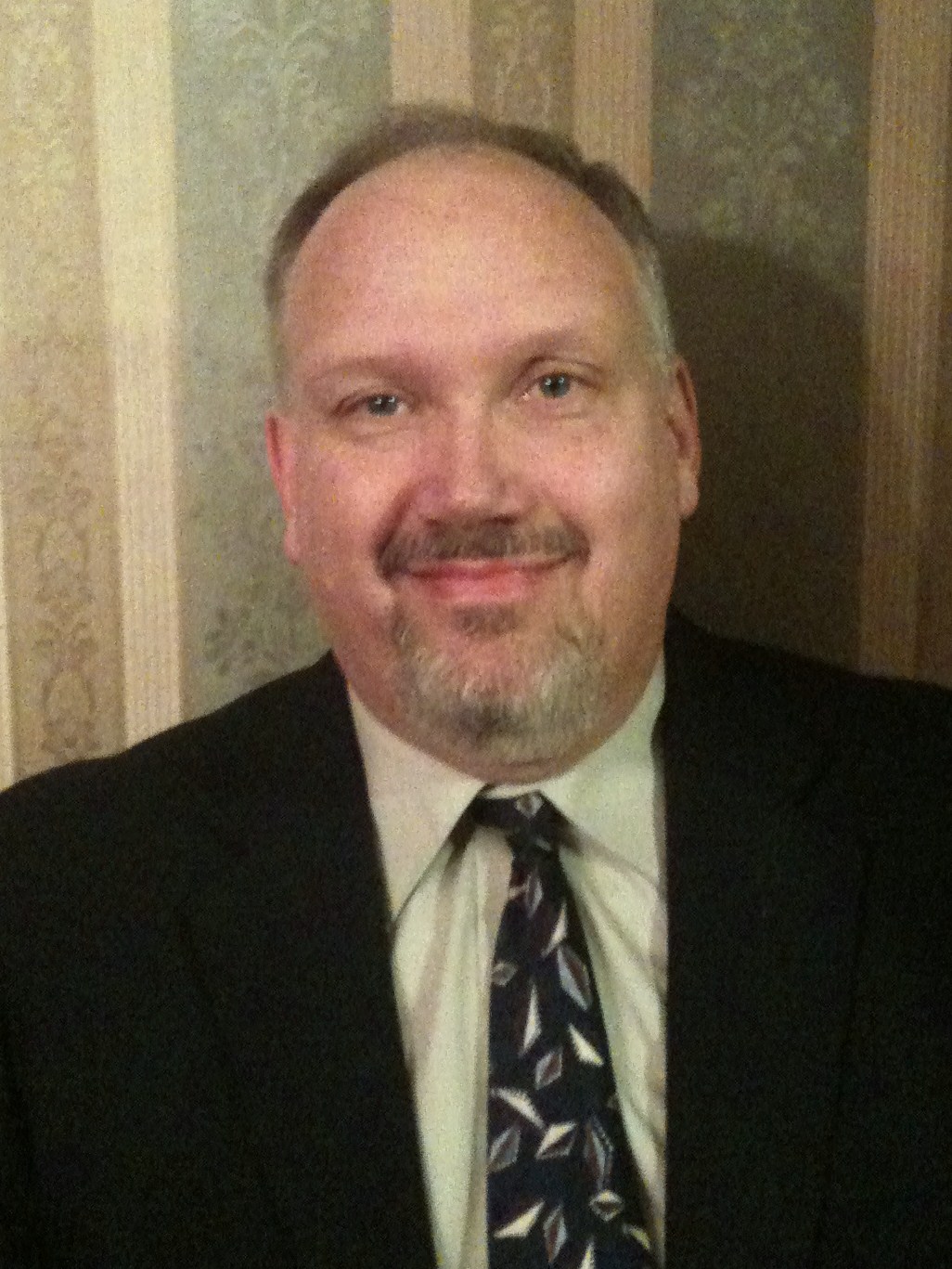 Dean Severson is Principal Agricultural and Rural Planning Analyst for Lancaster County Planning Commission in Lancaster County, Pennsylvania.

 APA FOOD